
Feeling like garbage on a plant-based diet? Don’t blame the broccoli yet! The vegan nutrition mistakes causing your fatigue aren’t mysterious or complicated. They’re the same boring execution errors that trip up nearly everyone who goes plant-based without understanding how plants actually work differently than animal products.
Most people think feeling tired means veganism failed them. Wrong. You’re just making predictable screw-ups that happen when you swap bacon for beans without adjusting how you fuel yourself.
These aren’t exotic deficiencies requiring expensive blood panels. They’re fixable problems that show up again and again when people change what they eat but not how they eat.
If you’re dragging through your day wondering why your coworker who eats gas station hot dogs has more energy than you, keep reading. The problem isn’t your diet choice. It’s your execution.
Vegan Nutrition Mistake 1: Eating Too Few Calories Because Plants Are “Light”
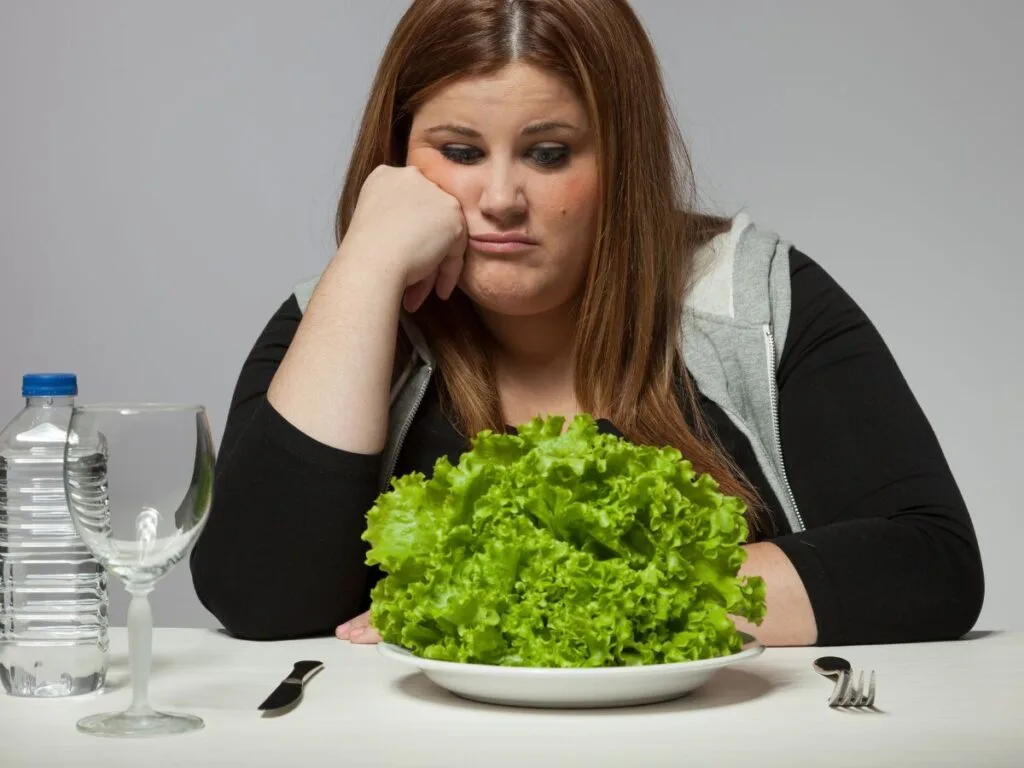
Plants are less calorie-dense than animal foods. Congratulations, you’ve discovered volume eating.
Here’s where it gets messy. You’re eating massive salads that fill your entire bowl and contain roughly 200 calories. You feel stuffed. You’re also slowly starving yourself into fatigue territory.
Your body doesn’t run on volume. It runs on actual energy. When you chronically under-fuel, your metabolism doesn’t send you angry text messages. It just quietly turns everything down. You get cold. Irritable. Tired. Your workouts suck. Your brain feels foggy.
Fix it: Track what you’re actually eating for three days. You’ll probably discover you’re eating 1,400 calories while wondering why you can’t function. Add potatoes, rice, oats, pasta, fruit, and yes—some fats. If your meals don’t include something energy-dense, you’re setting yourself up to fail.
And hey, understanding how a plant based diet helps the planet is great, but it won’t help if you’re too exhausted to care about anything.
Vegan Nutrition Mistake 2: Treating Protein Like It’s Optional
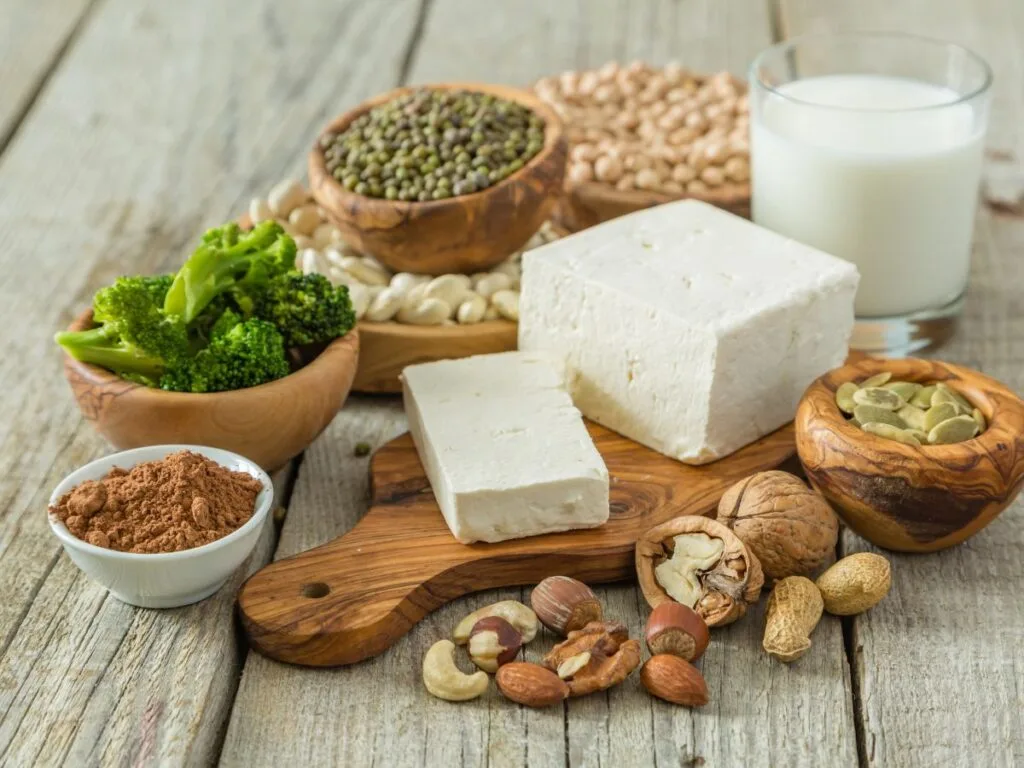
Protein deficiency? Rare. Protein inconsistency? Everywhere.
You eat a solid tofu scramble Monday, then survive Tuesday on crackers and hummus. Wednesday is pasta with marinara. Thursday you remember protein exists and panic-eat peanut butter from the jar.
This isn’t a strategy. It’s chaos. Your body needs consistent protein to maintain muscle, recover from literally anything, and not feel like a sad deflated balloon.
Fix it: Every main meal needs a protein anchor. Beans, lentils, tofu, tempeh, seitan, edamame. Pick one. Build the meal around it. Don’t hope it “adds up” across the day because it won’t.
Can’t be bothered? Enjoy feeling weak and hungry every three hours.
Vegan Nutrition Mistake 3: Eating Iron While Actively Blocking Iron Absorption

You’re chugging spinach smoothies and eating beans like your life depends on it. You’re still tired. What gives?
Plant iron (non-heme iron) is harder to absorb than animal iron. You knew that. What you didn’t know is that your coffee habit and calcium supplements are basically blocking whatever iron you do manage to absorb.
Drinking coffee with breakfast? You just nuked your iron absorption. Taking calcium with your iron-rich dinner? Same problem. Over months, this quietly depletes your stores until you’re exhausted for “no reason.”
Fix it: Pair iron-rich foods with vitamin C. Orange slices with your beans. Tomatoes with your lentils. Strawberries with your oatmeal. And separate your coffee, tea, and calcium supplements from iron meals by at least an hour.
This one fix changes everything and costs you nothing.
Vegan Nutrition Mistake 4: Building Meals Around Vegetables Like You’re a Rabbit

Vegetables are fantastic. They’re also not a meal foundation.
Zucchini noodles with marinara isn’t dinner—it’s a cry for help. A giant salad with no starch or protein isn’t lunch—it’s a guaranteed energy crash in 90 minutes followed by you eating an entire bag of chips at 4 PM.
Plants are high in water and fiber but low in actual fuel. If your plate is 80% vegetables, your blood sugar will be on a roller coaster and you’ll be wondering why you can’t think straight.
Fix it: Start with starch or protein. Rice, potatoes, quinoa, beans, tofu. Then add vegetables. Reverse the ratio and suddenly your meals actually sustain you instead of leaving you searching for snacks an hour later.
Learning how a plant based diet helps the planet won’t matter if you’re too hangry to function.
Vegan Nutrition Mistake 5: Waiting Until You’re Deficient to Take Supplements
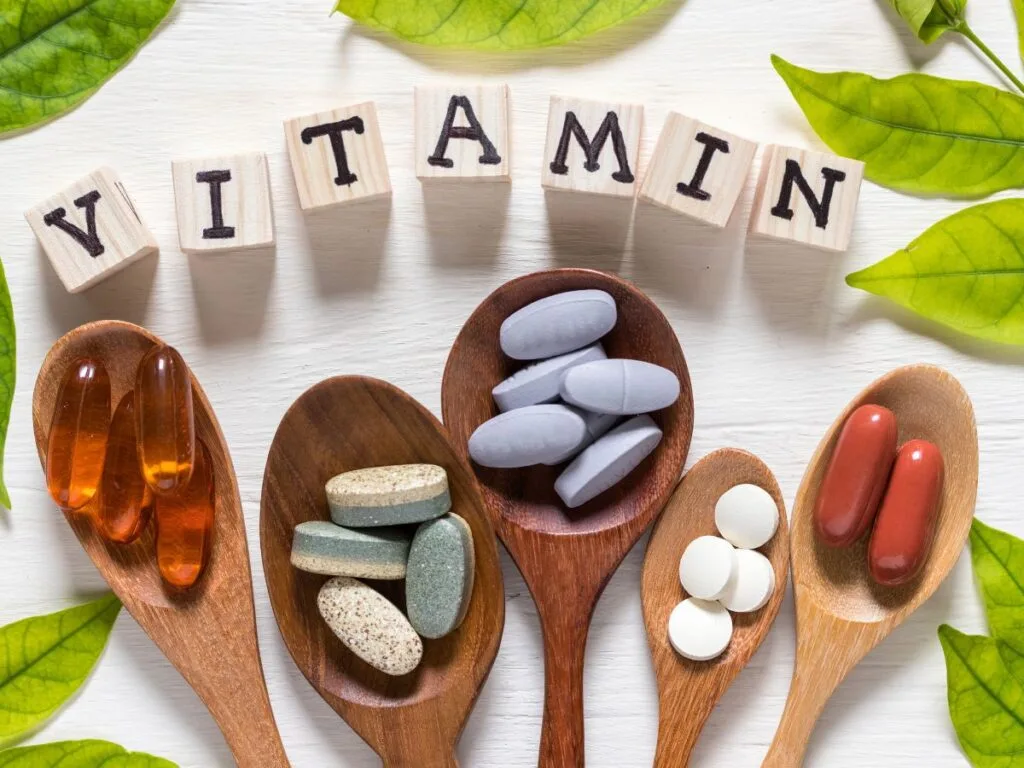
B12 doesn’t grow on plants. It just doesn’t. Neither does reliable vitamin D unless you live naked in the tropics.
But sure, wait until you’re so tired you can’t get off the couch before you consider supplementing. By then you’ve been deficient for months and the fatigue has become your new normal.
Prevention is cheaper and easier than fixing a deficiency. But go ahead, be stubborn about it.
Fix it: B12 is non-negotiable. Take it. Vitamin D unless you’re getting serious sun exposure. Iodine if you don’t use iodized salt. Algae omega-3s if you want to be thorough.
Stop treating supplements like they’re cheating. They’re insurance.
If you’re confused about which supplements you actually need or how to address common deficiencies without wasting money on useless products, I’ve covered the specifics in my guide on Why Vegan Need Supplements It’ll save you from buying every supplement the internet swears you need.
Vegan Nutrition Mistake 6: Eating Whenever, Whatever, and Wondering Why You’re Tired

High-fiber diets need structure. Grazing on snacks all day while skipping actual meals tanks your blood sugar and leaves you exhausted.
You think you’re “listening to your body.” Your body thinks you’re confused and is sending mixed signals back. You’re both frustrated.
Skipping breakfast, barely eating lunch, then face-planting into a massive dinner doesn’t work. Your energy will be trash until 7 PM when you finally eat real food.
Fix it: Eat proper meals at regular times. Include carbs, protein, and fat together. Your blood sugar will stabilize. Your energy will level out. You’ll stop feeling like you’re held together with caffeine and hope.
Consistency beats flexibility when you’re trying not to feel like garbage.
Vegan Nutrition Mistake 7: Avoiding Fat Because You Think It’s Evil
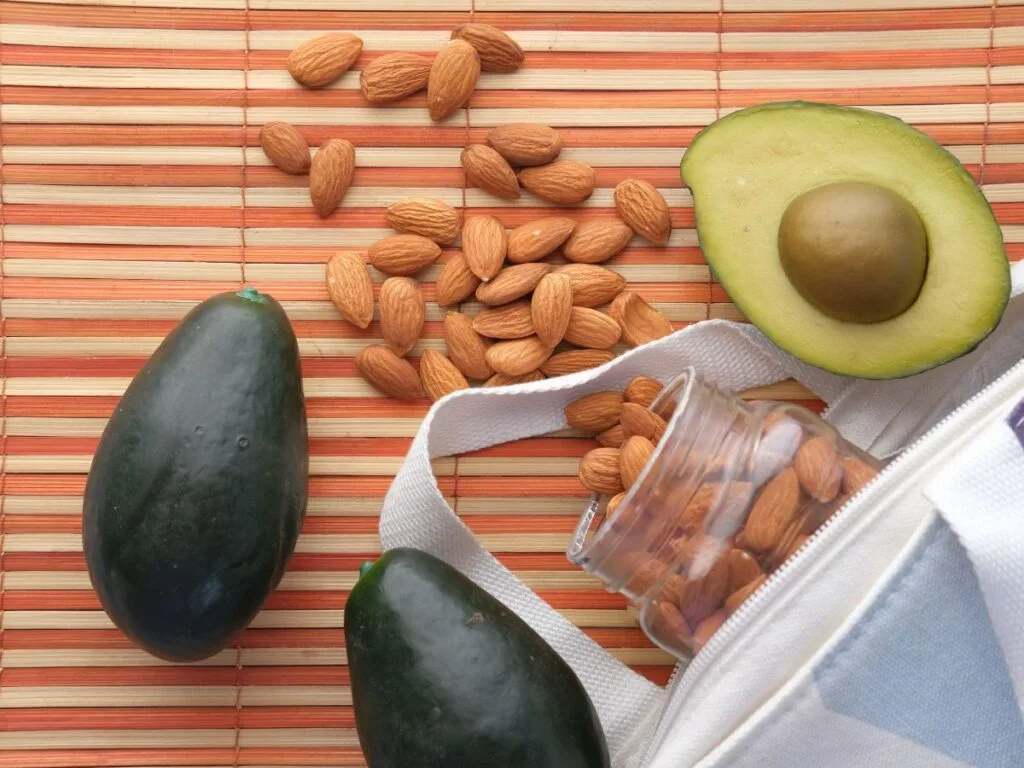
Fat has calories. You’re scared of calories. So you eat dry salads, plain rice, and steamed vegetables while wondering why you’re freezing and exhausted.
Low-fat vegan diets look virtuous on Instagram. They feel terrible in real life.
Fat is energy-dense. It helps you absorb vitamins A, D, E, and K. It keeps your hormones functioning. Removing it completely tanks your total calorie intake and makes everything harder.
Fix it: Eat whole-food fats every day. Nuts, seeds, avocado, tahini, olive oil. Stop demonizing calorie-dense foods. Chronic energy deficiency will wreck you faster than eating almonds ever will.
You’re not morally superior for eating fat-free. You’re just tired.
Vegan Nutrition Mistake 8: Accidentally Running Low on Sodium and Feeling Like Death
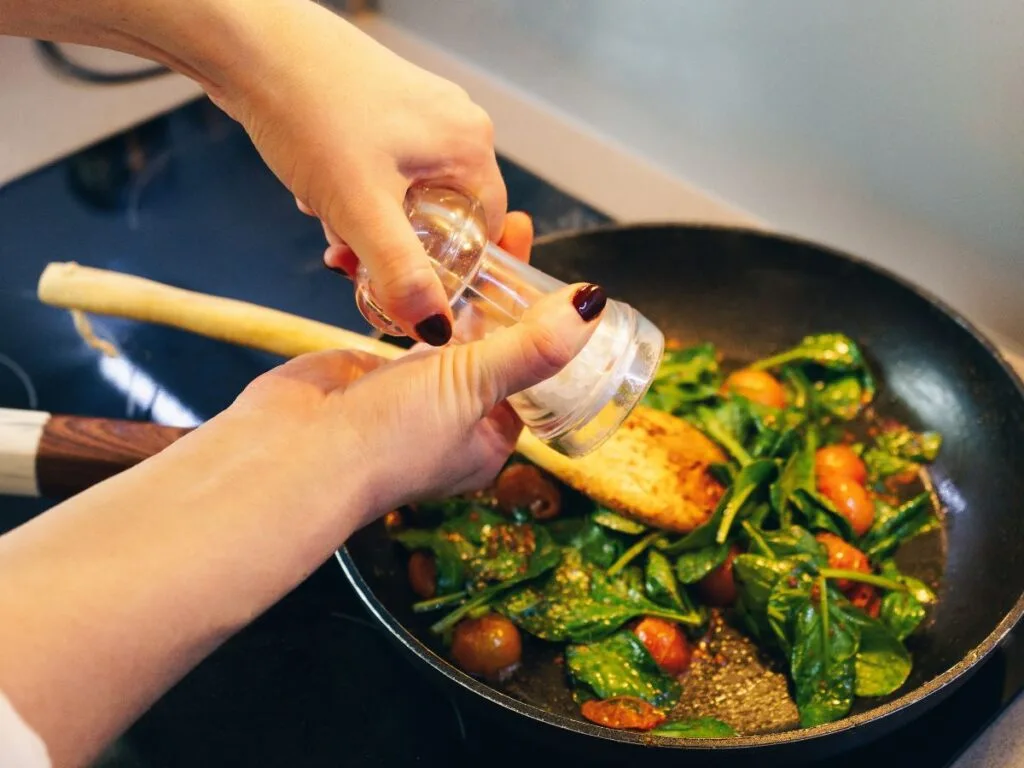
Whole foods contain almost no sodium. Add in some exercise or living somewhere hot, and suddenly you’re walking around with low blood pressure, headaches, dizziness, and crushing fatigue.
This one’s sneaky because everyone tells you to “avoid salt.” So you do. Then you feel terrible and have no idea why.
Fix it: Salt your food. Deliberately. Don’t rely on the trace amounts in vegetables to keep your electrolytes balanced. If adding salt makes your fatigue disappear within days, congratulations—you found your problem.
Sometimes the solution really is that simple.
Vegan Nutrition Mistake 9: Jumping Into High-Fiber Eating Like You’re Trying to Speedrun Digestion
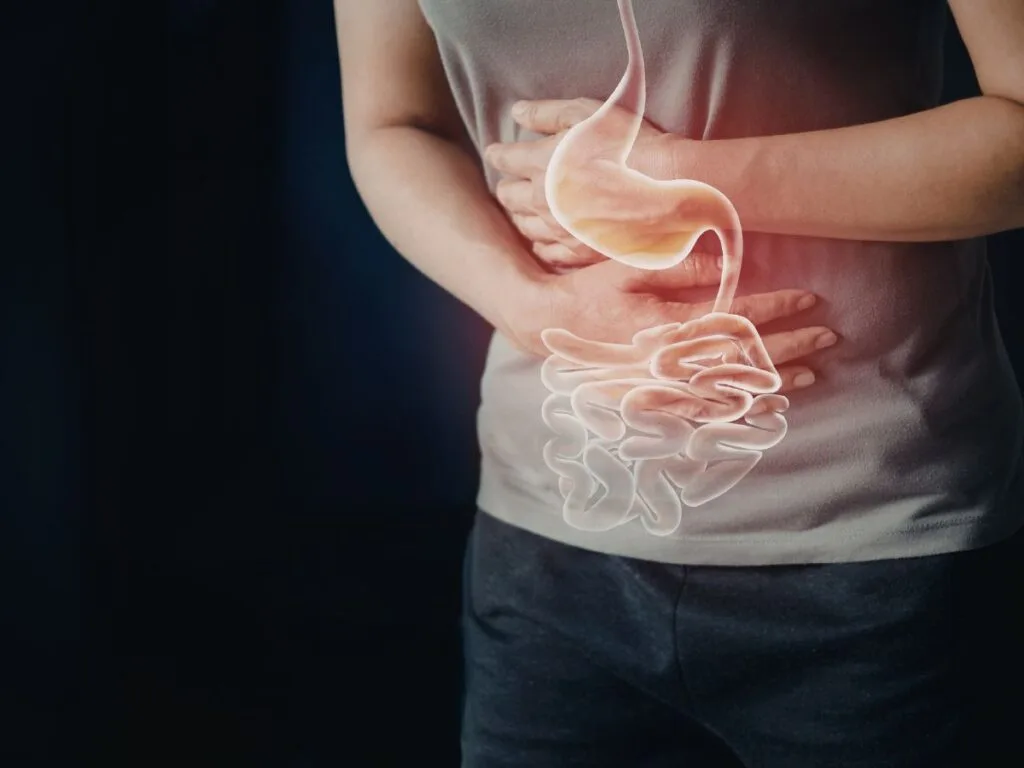
You went from standard Western diet to eating beans at every meal overnight. Your gut is rioting. You’re bloated, uncomfortable, and exhausted from your body working overtime trying to digest everything.
Sudden fiber increases stress your digestive system. That stress drains energy. You’re not adapting faster by suffering through it.
Fix it: Increase fiber gradually over weeks. Cook beans thoroughly. Chew your food. Use lower-fiber options temporarily if your gut is struggling. Comfortable digestion supports energy better than forcing yourself to suffer for “clean eating.”
Your colon isn’t a badge of honor.
Vegan Nutrition Mistake 10: Overhauling Your Diet While Sleeping Four Hours a Night

You’re eating perfectly. You’re still exhausted. You’re also sleeping terribly and pretending that doesn’t matter.
No diet on earth compensates for chronic sleep deprivation. But sure, blame the tofu.
You can optimize nutrition all you want. If you’re sleeping poorly, you’ll still feel like garbage. This misdiagnosis wastes months of effort.
Fix it: Fix your sleep first. Seven to nine hours. Consistent schedule. Dark room. No screens before bed. Then optimize nutrition. Sleep is the foundation. Food supports it—it doesn’t replace it.
Stop blaming your diet for problems your pillow should solve.
Vegan Nutrition Mistake 11: Comparing Your Energy to People Running on Stimulants

Your coworker drinks six coffees a day and seems fine. You feel calm and steady and think something’s wrong with you.
They’re not “fine.” They’re running on caffeine, stress hormones, and probably heading toward a crash. Short-term stimulation isn’t sustainable energy—it’s borrowed time.
Feeling calmer isn’t weakness. It’s what stable energy actually feels like.
Fix it: Evaluate your energy across weeks, not hours. Sustainable energy is quieter. It doesn’t spike and crash. It just works. That’s the goal.
Stop measuring yourself against people who are quietly falling apart.
Vegan Nutrition Mistake 12: Quitting During the Worst Phase
You changed everything about your diet. Two weeks later you feel terrible. You decide veganism doesn’t work for you.
Congratulations, you quit during the adaptation phase. Your body was adjusting. You bailed.
Physiological systems adapt slowly. Early fatigue during dietary changes often means your gut microbiome is shifting, your metabolism is adjusting, and your body is recalibrating. That’s not failure—it’s transition.
Fix it: Assess patterns over weeks, not days. Adjust your intake methodically instead of panicking and eating cheese again. The worst phase is temporary. Quitting during it means you never get to the part where it actually works.
Give your body time to figure it out.
Final Thoughts

Fatigue on a vegan diet isn’t some mysterious curse. It’s fixable. Predictable. Boring, even.
You’re either not eating enough, not eating consistently, or not covering your bases with supplements and structure. That’s it. That’s the list.
Understanding how a plant based diet helps the planet is noble. Executing it properly so you don’t feel like garbage is practical.
Vegan diets work when you plan them. They fail when you wing it and hope for the best.
Energy doesn’t come from good intentions. It comes from actually eating enough food, getting your nutrients, and not comparing yourself to people who survive on coffee and chaos.
Fix the execution. Keep the ethics. Stop being tired.