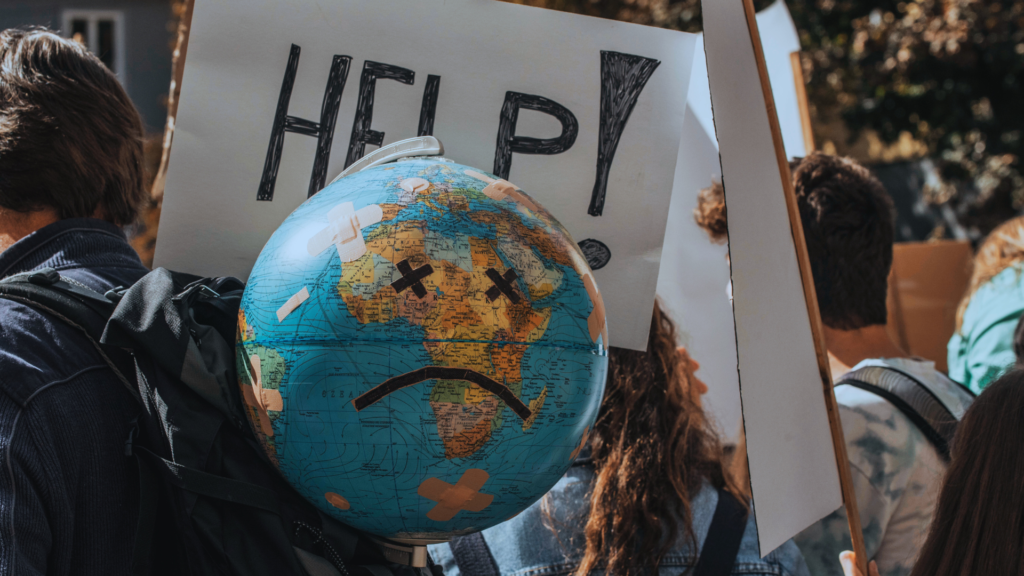
Climate problems feel distant until you connect them to everyday habits. The plant based diet environmental benefits are not abstract talking points. They show up clearly in land use, water demand, greenhouse gas emissions, and the pressure placed on ecosystems worldwide.
The Environmental Damage Isn’t Random
Deforestation doesn’t just happen. Water shortages don’t appear out of nowhere. Climate instability isn’t bad luck.
A large share of environmental damage ties back to how food is produced, especially systems built around meat and dairy. These systems require huge amounts of land, water, and feed, and they scale damage quietly while everyone argues about something else.
It’s Easier to Blame Corporations Than Dinner
Pointing at oil companies and governments feels productive. Looking at your own plate feels personal.
Animal agriculture is one of the most resource-intensive ways to feed people. That’s not an opinion and it’s not an attack — it’s how the system works. Ignoring it doesn’t soften the impact.
Food Choices Are One Lever That Scales
You don’t need to overhaul your life or buy expensive technology to reduce environmental pressure. Food choices scale quietly and consistently.
Eating more plant-based reduces demand for land, water, and emissions-heavy supply chains. It doesn’t solve everything, and no one’s pretending it does. It simply moves things in a better direction, one meal at a time.
That’s what this article breaks down — clearly, practically, and without exaggeration.
Why A Plant-Based Diet Is Good For The Planet

You’ve seen the headlines. Wildfires raging like someone left the planet’s oven on. Oceans drowning in plastic while we debate paper straws. Polar bears floating on melting ice cubes wondering what the hell happened.
Here’s the part nobody mentions on the evening news: your dinner’s either making this worse or making it better. No middle ground here. No participation trophy for “trying sometimes.”
Your Plate Is Reshaping the Climate Right Now

How a plant based diet helps the planet starts with one fact most people avoid—animal agriculture is wrecking the environment faster than your ex ruined your favorite song. This isn’t emotional documentary stuff. It’s math, and math doesn’t care about your burger cravings.
It’s not just about saving cute farm animals. Though yeah, that’s a bonus if you’re into compassion. The real problem runs way deeper than whether some cow lives its best life on a sanctuary.
Your food choices reshape entire ecosystems today. Forests stand or fall based on dinner decisions. Rivers run clean or turn into toxic waste dumps. Future generations inherit either a functioning planet or an environmental disaster with your fingerprints all over it.
The Stakes Go Beyond Your Grocery Bill
Climate patterns shift based on what millions of people eat daily. Resources drain or stick around depending on beans versus beef choices. Biodiversity thrives or collapses while you’re scrolling DoorDash at midnight.
Let’s break down the actual stakes. Once you see these numbers, pretending ignorance stops being an option. Acting like you don’t know just makes you complicit with fancier excuses.
The Environmental Cost of Animal Agriculture Nobody Talks About
Animal farming isn’t some cozy red barn with chickens pecking around happily. That’s the fairy tale version they slap on milk cartons to ease your conscience while you shop.
Reality? It’s a massive global industry causing environmental damage on a scale most people can’t even comprehend. And it’s happening whether you acknowledge it or not.
The Numbers That’ll Ruin Your Appetite
According to the FAO, livestock accounts for 14.5% of global greenhouse gas emissions. That’s more than every car, plane, and train on Earth combined. Your neighbor’s SUV isn’t the villain—it’s what’s grilling on his barbecue.
Think about that. Every vehicle you’ve ever ridden in produces less emissions than raising animals for food. But sure, keep obsessing over electric cars while ignoring the ribeye on your plate.
We’re Bulldozing Forests for Fast Food
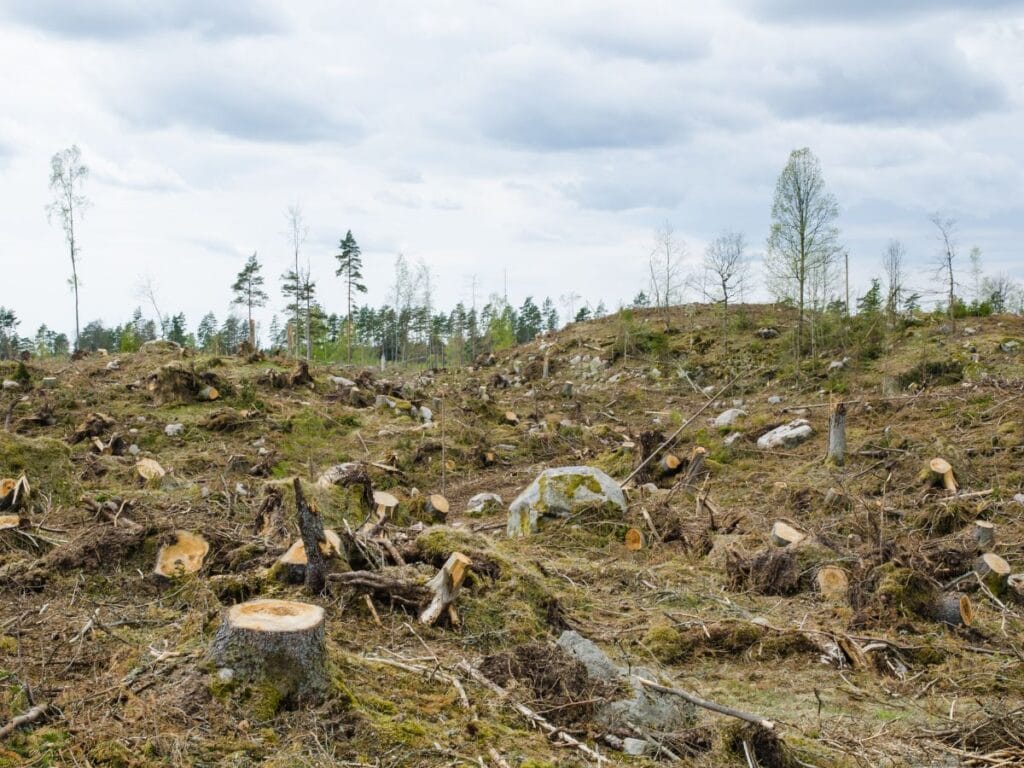
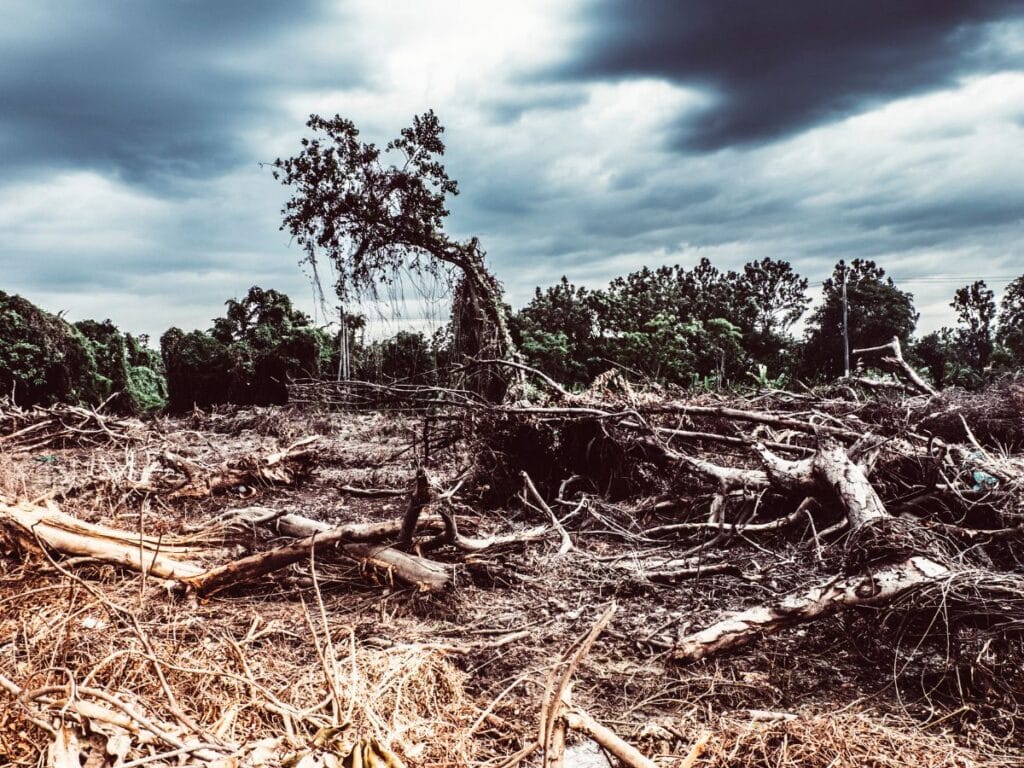
Vast lands get cleared for grazing right now. Forests that took centuries to grow get demolished so cows can munch grass for a few years before becoming Quarter Pounders. We’re trading ancient ecosystems for convenience meat.
The irony would be funny if it wasn’t literally ending biodiversity. Complex habitats? Gone. Rare species? Homeless. Your burger? Totally justified, obviously.
The Water Waste Should Make You Angry
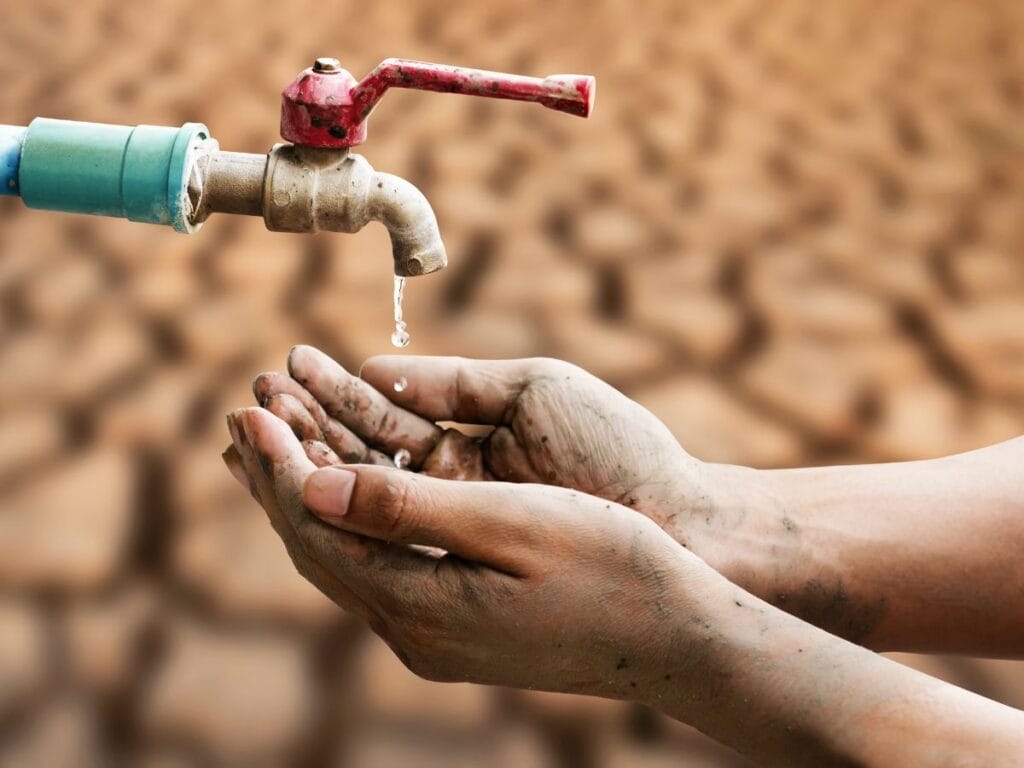
Water gets guzzled at ridiculous rates just growing animal feed. Not even for the animals directly—for the crops that feed the animals you’ll eventually eat. It’s like watering a garden to feed a cow to feed yourself.
Inefficiency stacked on waste, wrapped in environmental destruction, served with complete denial. The resource waste would make any rational person furious.
How a Plant Based Diet Helps the Planet: Environmental Benefits Explained
A plant based diet flips this disaster completely. Instead of wasting resources producing meat, you eat plants directly. Cut out the middle-cow. Remove the inefficiency.
It’s not complicated science. It’s basic efficiency that somehow became controversial because bacon exists and people have feelings about it.
This creates a sustainable path that doesn’t require waiting for miracle technology. You can start today with your next meal. Zero special equipment required.
Why “Later” Isn’t an Option Anymore
Climate change isn’t waiting patiently for you to finish that burger. It’s not taking a number at the deli counter. The clock’s ticking, and it genuinely doesn’t care about your food preferences or schedule.
The Window Is Slamming Shut
The IPCC warns we’ve got a narrow window to limit warming to 1.5°C. That’s not “eventually when it’s convenient” territory—that’s “right now or we’re absolutely screwed” territory. Once that window closes, good intentions won’t pry it back open.
You can’t wait until it feels right. By then damage becomes permanent, and you’ll explain to your grandkids why you chose temporary taste over their livable future. Enjoy that conversation.
Your Fork Has More Power Than You Realize
Individual actions matter way more than people admit. Yeah, corporations should change. Sure, governments need to step up. But waiting for them while doing nothing? That’s just avoiding responsibility with sophisticated excuses.
Choosing plant-based eating adds up shockingly fast. One person makes a dent. Thousands create real difference. Millions build a movement industries can’t ignore.
Understanding how a plant based diet helps the planet empowers you to make real impact with every meal. Not just the pretty Instagram ones. Every. Single. Meal. You’re either contributing to the problem or working toward solutions—pick one.
Greenhouse Gas Emissions: The Invisible Destroyer on Your Plate
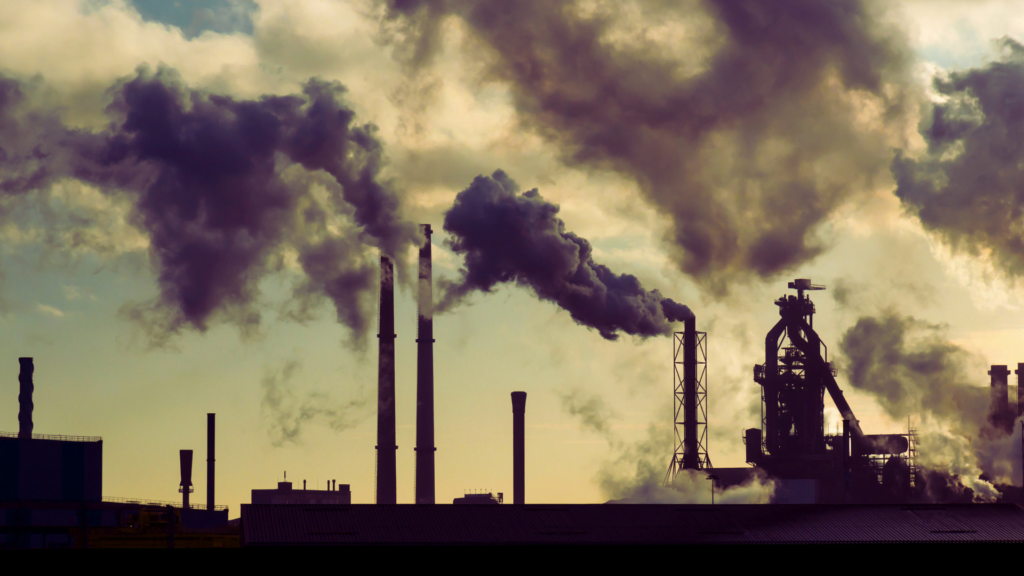
Let’s discuss the cow-shaped elephant destroying the atmosphere. Animal agriculture pumps out greenhouse gases like it’s competing for a pollution trophy. Spoiler: it’s dominating the competition.
Greenhouse gases are the planet’s worst enemy, period. There’s no “good” kind—it’s all atmospheric destruction you can’t see. How a plant based diet helps the planet shines brightest here, slashing emissions faster than you can say “impossible burger.”
Everything Contributes (But Some Things Are Way Worse)
Almost everything creates emissions. Driving to work? Emissions. Heating your house? Emissions. Charging your phone during doomscrolling sessions? Yep, emissions. Including what’s sitting on your dinner plate right now.
Animal agriculture is a massive contributor most people conveniently ignore while blaming everything else. It’s easier pointing at factories than admitting your food choices actually matter. Accountability stings like that.
The Numbers Will Wreck Your Denial
Animal agriculture accounts for 14.5% of global greenhouse gas emissions—more than the entire transportation sector combined. Every car, truck, plane, and ship on Earth produces less than raising animals for food.
Let that sink in while you’re choosing between the burger and the veggie wrap. Your dinner has a bigger carbon footprint than your entire commute.
Beef Wins the Environmental Villain Award
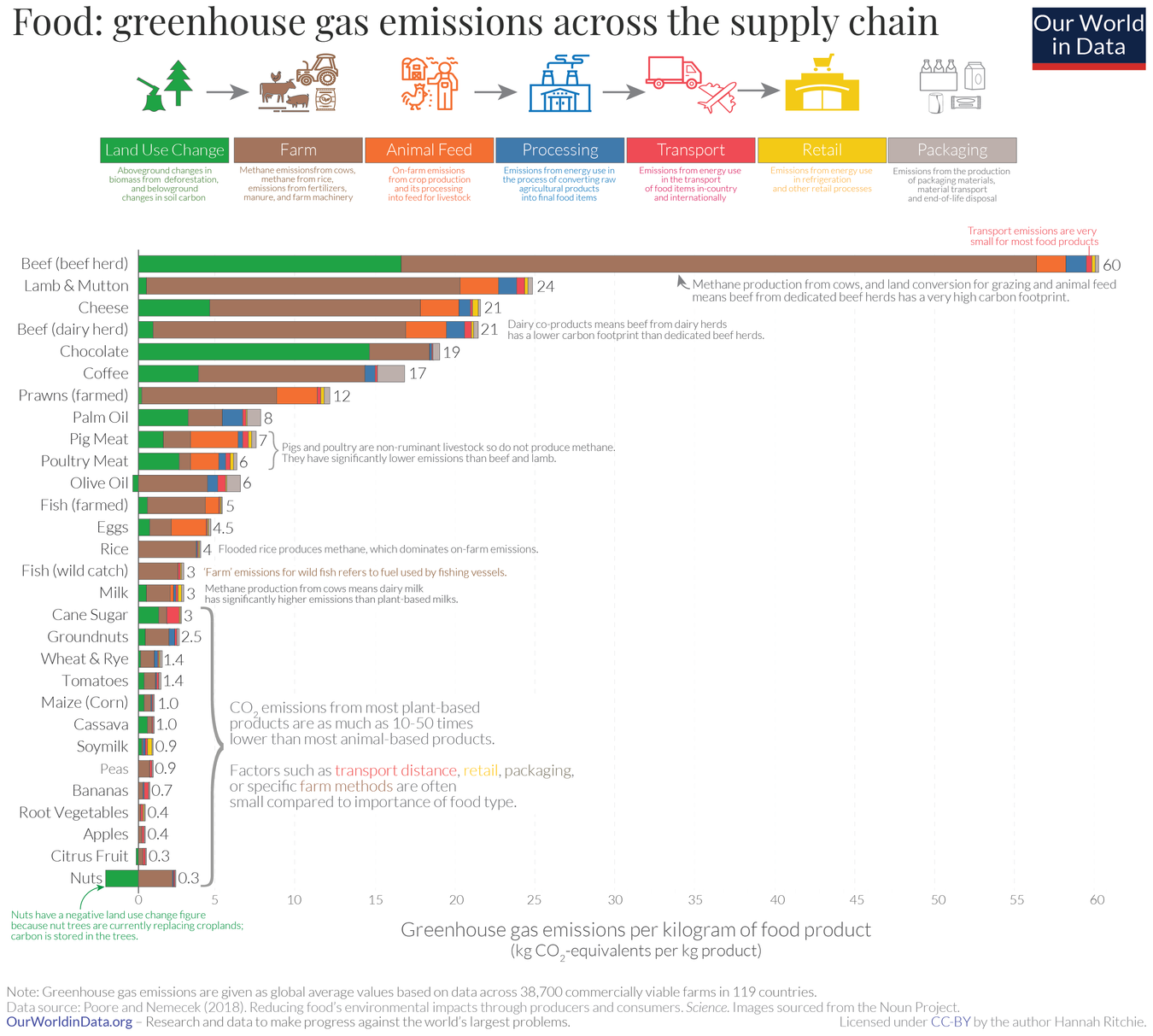
If there was an environmental destruction contest, beef would sweep every category effortlessly. Producing one kilogram of beef generates 60 kilograms of CO2-equivalent emissions. That’s not a typo—sixty from one.
That equals driving over 200 kilometers. You could road trip to another city and cause less damage than eating a single steak. But plastic straws are definitely the real problem here.
Dairy Gets No Free Pass (Sorry, Cheese Addicts)
Dairy and other animal products aren’t escaping this conversation. Cheese, milk, eggs—they all carry massive carbon footprints people love ignoring because giving up cheese feels impossible. Priorities, right?
Cheese production emits 13.5 kilograms of CO2-equivalent per kilogram. That “harmless” grilled cheese costs Earth way more than your wallet. Comfort food isn’t so comforting for the environment.
Milk production trails close behind in the damage race. Eggs seem innocent until billions of people eat them daily. Death by a thousand breakfast omelets adds up.
The Actually Good News
Choosing plant-based options can slash your carbon footprint by up to 73%. Not seven percent. Not seventeen. Seventy-three percent. That’s not a minor tweak—that’s complete transformation.
Imagine more people making this switch. Not everyone. Not perfection. Just more people choosing plants more often. The emissions reductions would actually be measurable instead of theoretical feel-good nonsense.
How a plant based diet helps the planet isn’t abstract theory—it’s concrete, proven, and available right now. Your next meal is an opportunity to contribute to the mess or start fixing it. Choose accordingly.
Land Use: Stop Hogging the Planet’s Space
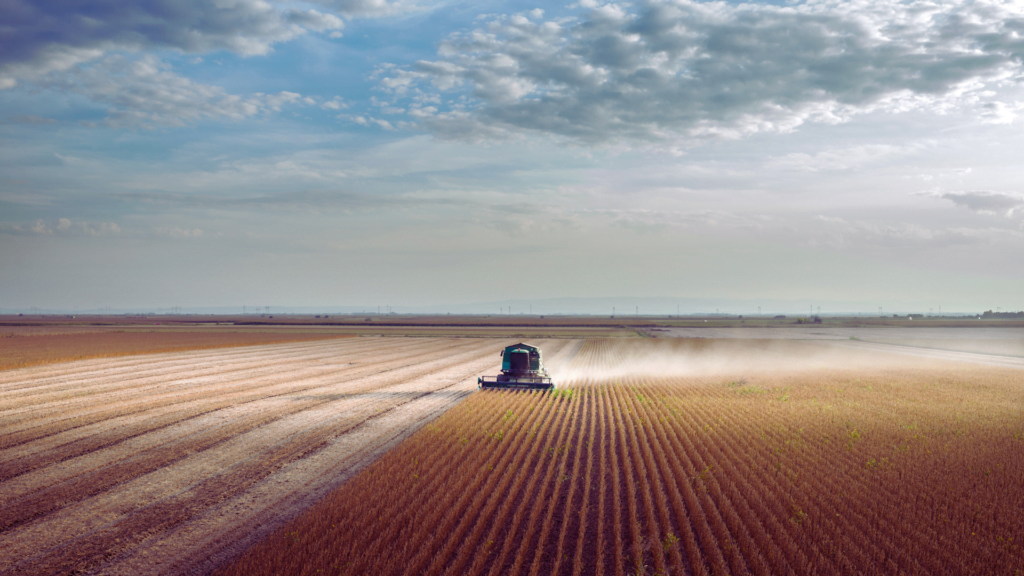
Ever wonder why forests vanish faster than your WiFi during storms? It’s not mysterious natural disasters. Animal agriculture hogs the planet’s land like that person taking two parking spaces without caring.
How a plant based diet helps the planet includes giving nature actual breathing room. Not metaphorical space—literal ground where trees can grow and animals can exist without getting bulldozed for cattle ranches. Revolutionary concept, apparently.
The Land Statistics Are Insane
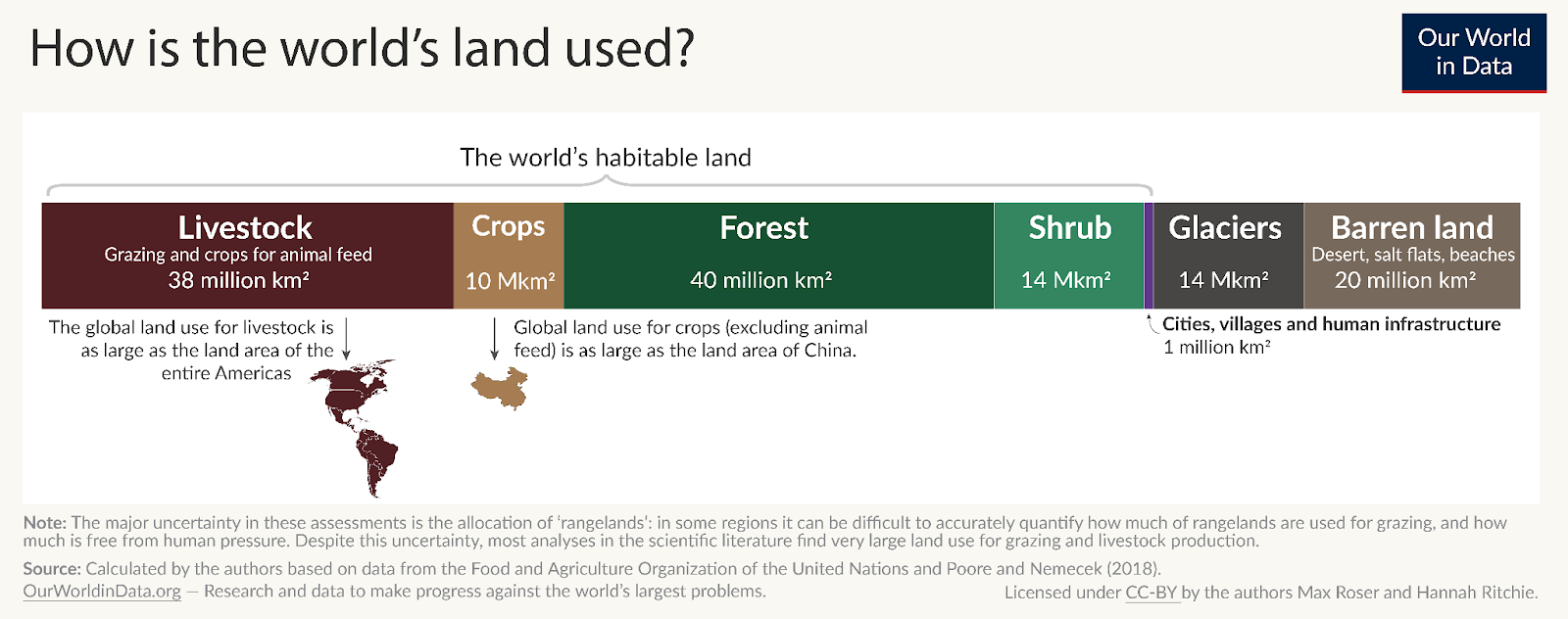
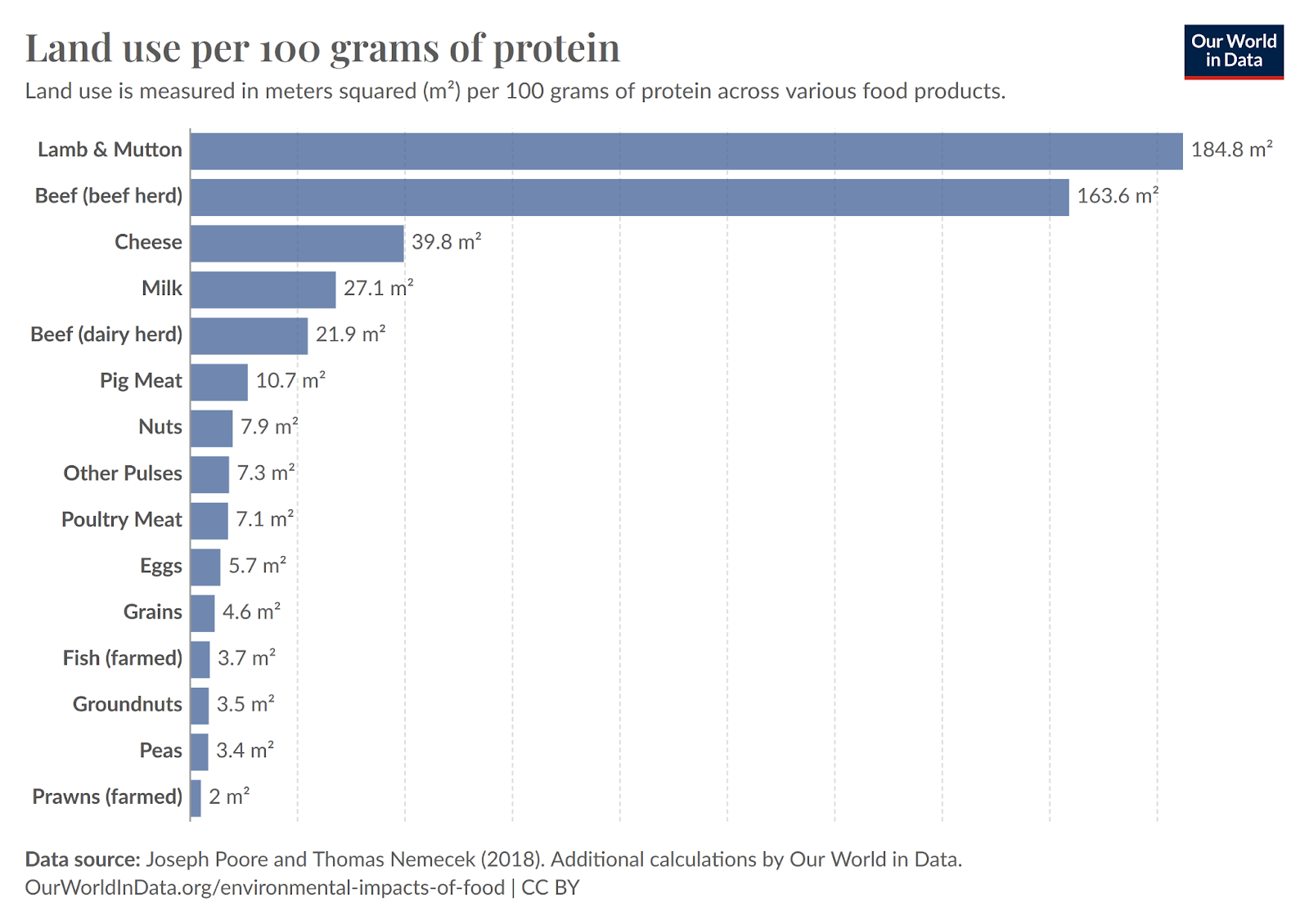
Half the planet’s habitable land goes to agriculture. Half. Not ten percent. Not twenty-five. Fifty percent of every piece of land humans could live on feeds us instead.
Here’s where it gets worse. A staggering 38 million square kilometers go to grazing and growing crops for animal feed. That’s bigger than Africa. We’re using continent-sized chunks just feeding animals we’ll eventually eat.
Meanwhile, crops humans eat directly occupy just 10 million square kilometers. Less than a third. We’re using almost four times more land feeding animals than feeding ourselves directly. The math isn’t mathing, and nobody cares.
The Inefficiency Is Genuinely Mind-Blowing
Producing one kilogram of beef requires 6-8 kilograms of feed. You’re putting in six to eight times the resources to get one unit back. That’s not farming—that’s waste with sophisticated marketing.
This means vast land grows food for animals instead of feeding people directly. While humans starve in some places, we’re growing crops to fatten cows elsewhere. The irony would be hilarious if people weren’t dying.
Think how backwards this is. We could grow beans and feed eight people, or grow beans feeding a cow that feeds one person. Anyone with basic math sees the problem.
Habitat Destruction Follows This Stupidity
This land use leads habitat loss for wildlife globally. Not just “a” cause—a leading cause ranking with the worst environmental disasters we’ve created ourselves.
Species like orangutans get pushed toward extinction. Not because they’re weak—because we’re literally destroying their homes for palm oil plantations and cattle ranches. They’re losing a war they didn’t know they were fighting.
Jaguars, tigers, elephants—countless species run out of places to exist. Their habitats shrink yearly while we clear more land for livestock. We’re trading biodiversity for burgers and wondering why everything collapses.
The Solution Nobody Wants to Hear
Reducing meat consumption could free vast amounts of land immediately. Not someday. Not after magical technology appears. Right now, with your dinner choices tonight.
This freed land has massive restoration potential. We could rewild areas instead of destroying them. Bring back forests absorbing carbon. Create habitats where wildlife actually survives instead of barely hanging on.
Rewilding isn’t just pretty animal pictures. It’s combating climate change with natural solutions that actually work. Trees absorb CO2. Healthy ecosystems regulate climate. Nature knows its job—if we’d give it space.
Water Footprint: We’re Draining the Planet Dry
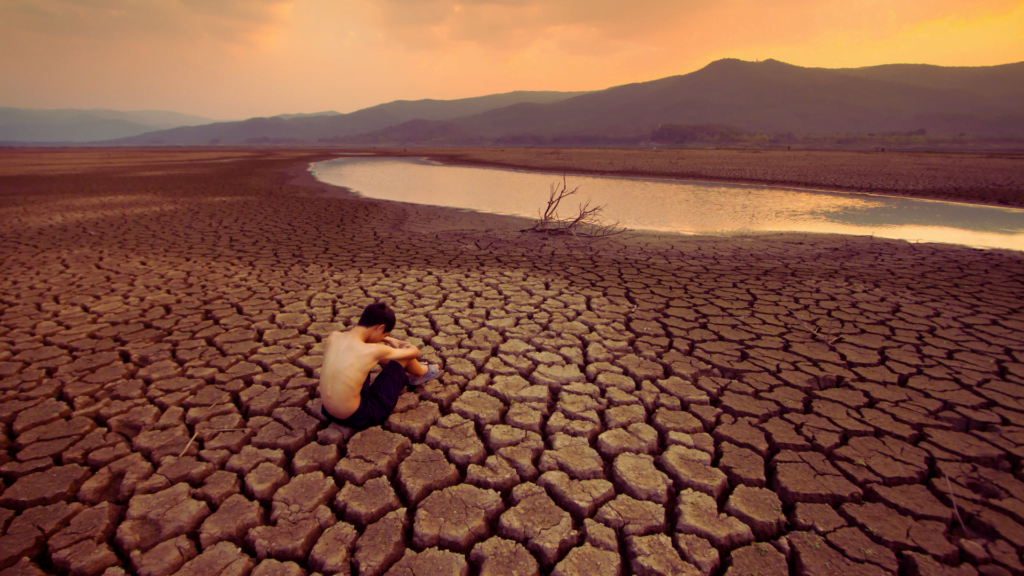
Water is precious, and we’re treating it like it’s infinite. Spoiler: it’s not. Animal agriculture guzzles water at alarming rates while everyone’s told to take shorter showers and turn off taps while brushing.
The water numbers are absolutely insane. Once you see them, you can’t unsee them. Honestly? You shouldn’t be able to ignore them anymore
Cheese Isn’t Innocent
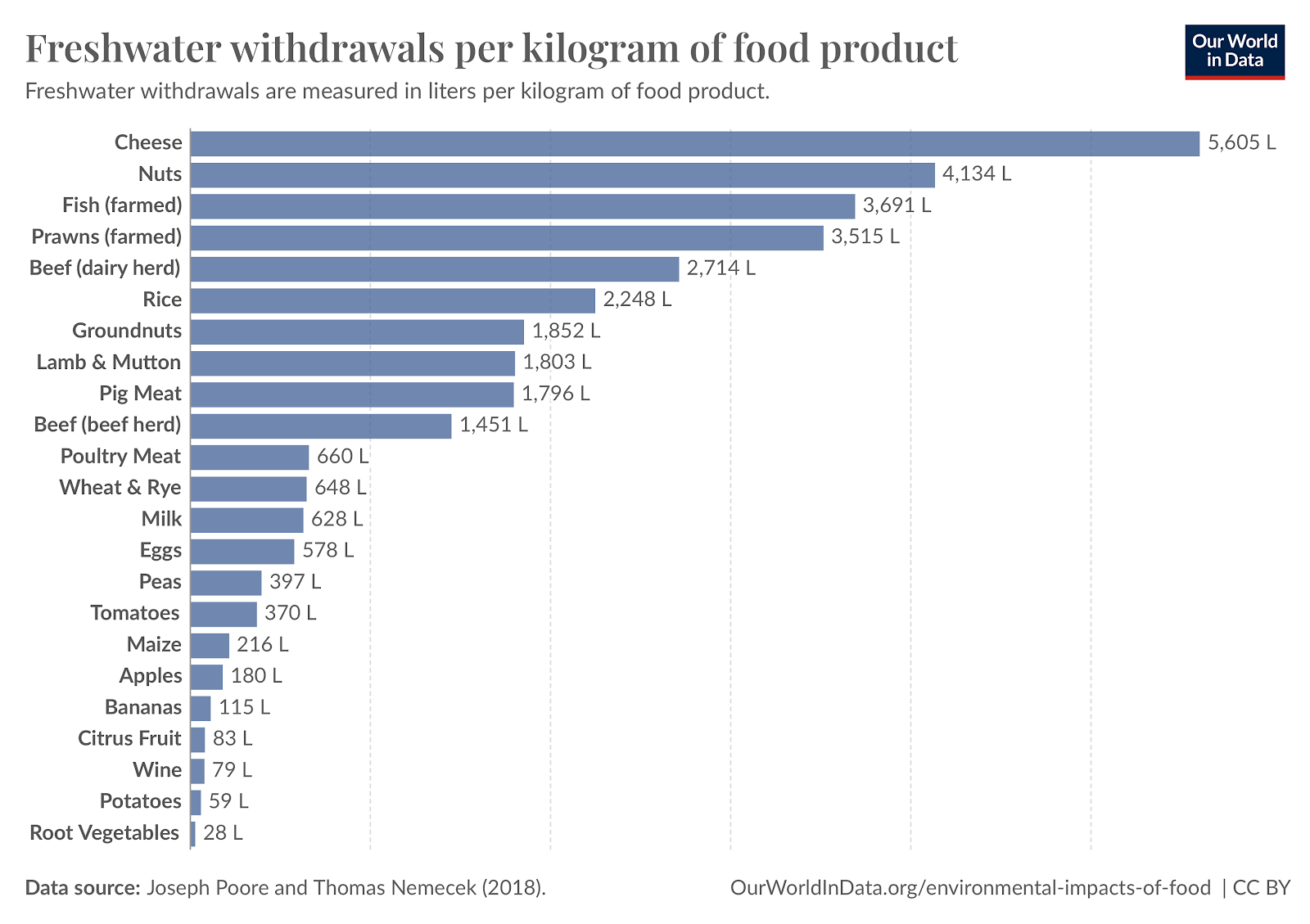
Cheese seems harmless enough, right? Just fancy milk. Wrong. Producing one kilogram of cheese requires 5,605 liters of water. That’s not a typo—five thousand, six hundred and five liters for one kilogram.
Think about your yearly cheese consumption. Now multiply that by over 5,000 liters per kilogram. Your grilled cheese sandwiches and pizza nights drain water reserves faster than you can say “extra mozzarella.”
Beef Is Even Worse (Obviously)
One kilogram of beef takes 15,415 liters of water to produce. Fifteen thousand liters. For one kilogram of meat lasting maybe a few meals if you’re stretching it.
That equals showering for six months straight. Every single day, hot water running, for half a year. But sure, let’s lecture people about five-minute showers while ignoring the steak.
You could skip showers entirely for months and use less water than producing one burger’s worth of beef. Our water conservation priorities are completely backwards, and nobody admits it.
The Bigger Picture Is Catastrophic
Growing crops for animal feed consumes one-third of the world’s freshwater. Not a small percentage. Not negligible amounts. One-third of all freshwater on Earth goes to feeding animals humans will eventually eat.
We’re experiencing water crises globally. Towns run out of drinking water. Rivers dry up. Lakes disappear. And we’re using a third of our freshwater growing corn for cows. Make it make sense.
This isn’t just wasteful—it’s catastrophically stupid. We’re prioritizing livestock feed over human water security, then acting shocked when water shortages hit communities worldwide.
Plant-Based Foods Actually Save Water
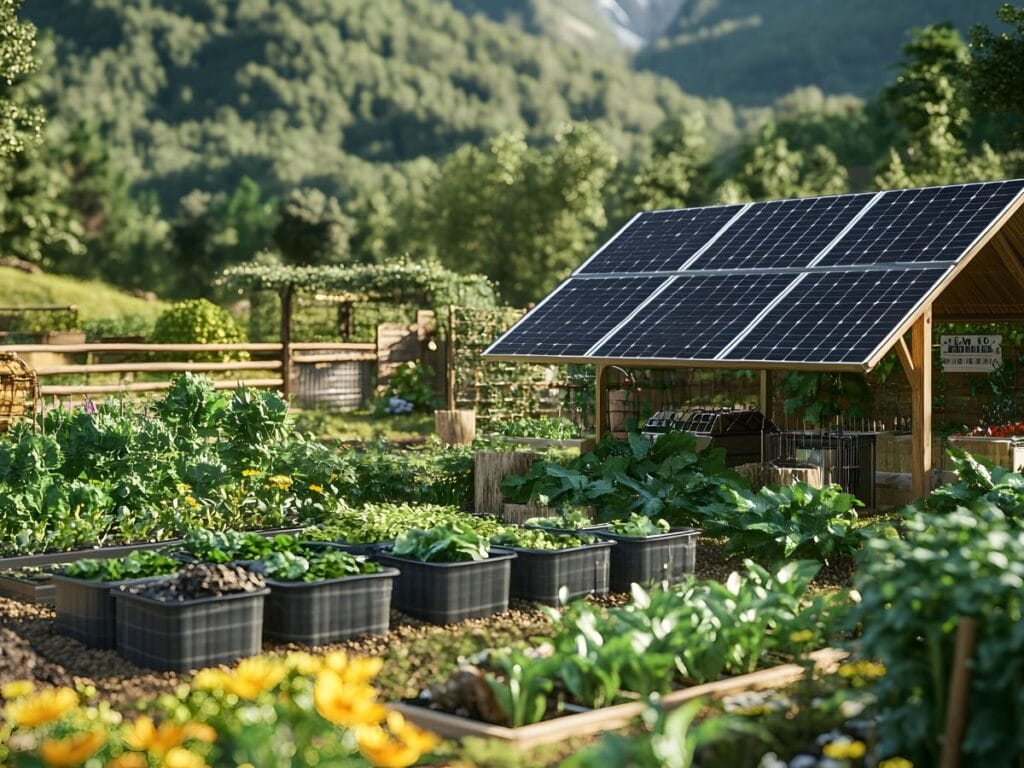
From an environmental standpoint, plant based diet environmental benefits include dramatically lower water requirements compared to animal agriculture. Not slightly less—a fraction. The difference is massive and measurable.
Producing one kilogram of lentils uses just 1,250 liters of water. Compare that to beef’s 15,415 liters. You could produce over twelve kilograms of lentils with the same water as one kilogram of beef.
Beans, chickpeas, and other legumes follow similar patterns. They’re water-efficient, nutrient-dense, and don’t require ecosystem destruction to produce. They’re basically food world overachievers we ignore for water-guzzling meat.
Grains like rice, wheat, and oats also use significantly less water than animal products. Even water-intensive crops like rice can’t compete with the absurd water requirements of meat and dairy.
Your Grandkids Will Thank You (Or Curse You)
Switching to plant-based foods could conserve water for future generations. Not might help. Could actually, measurably conserve billions of liters we desperately need for drinking, agriculture, and maintaining ecosystems keeping us alive.
Your food choices directly impact whether your grandkids have clean water or fight wars over it. Heavy? Yes. True? Also yes. How a plant based diet helps the planet includes not draining every aquifer dry before 2050.
Deforestation: We’re Destroying Forests for Burgers
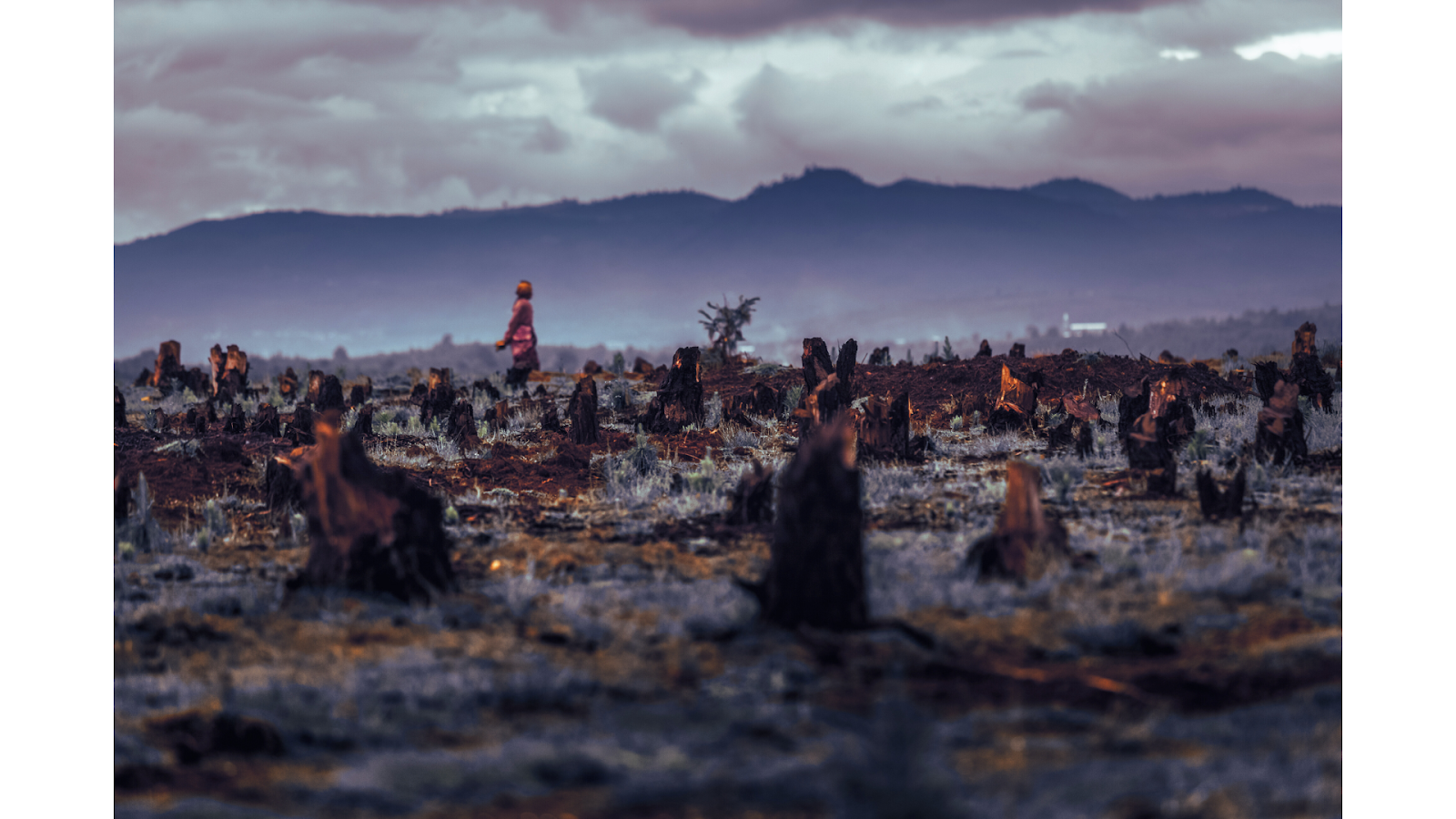
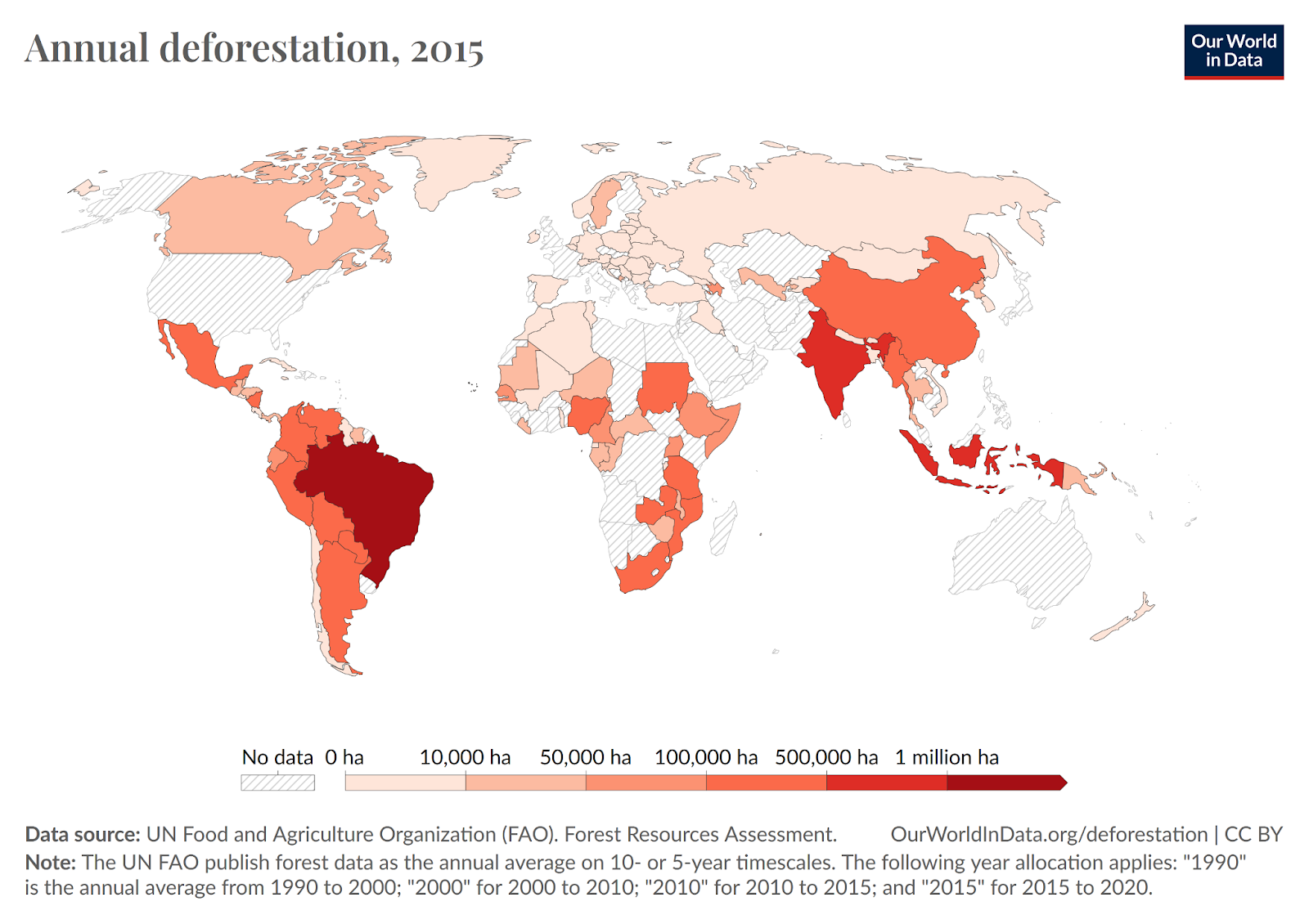
Deforestation is linked directly to our diets, and it’s happening faster than most people realize. We’re not talking careful logging—we’re talking wholesale destruction of forests that took thousands of years to grow. Gone in months for hamburgers.
Vast Amazon rainforest areas get cleared right now. Not distant future scenarios. Today, while you’re reading this, chainsaws tear through ancient forests. Other vital forests worldwide face the same fate.
These Forests Aren’t Cleared for Good Reasons
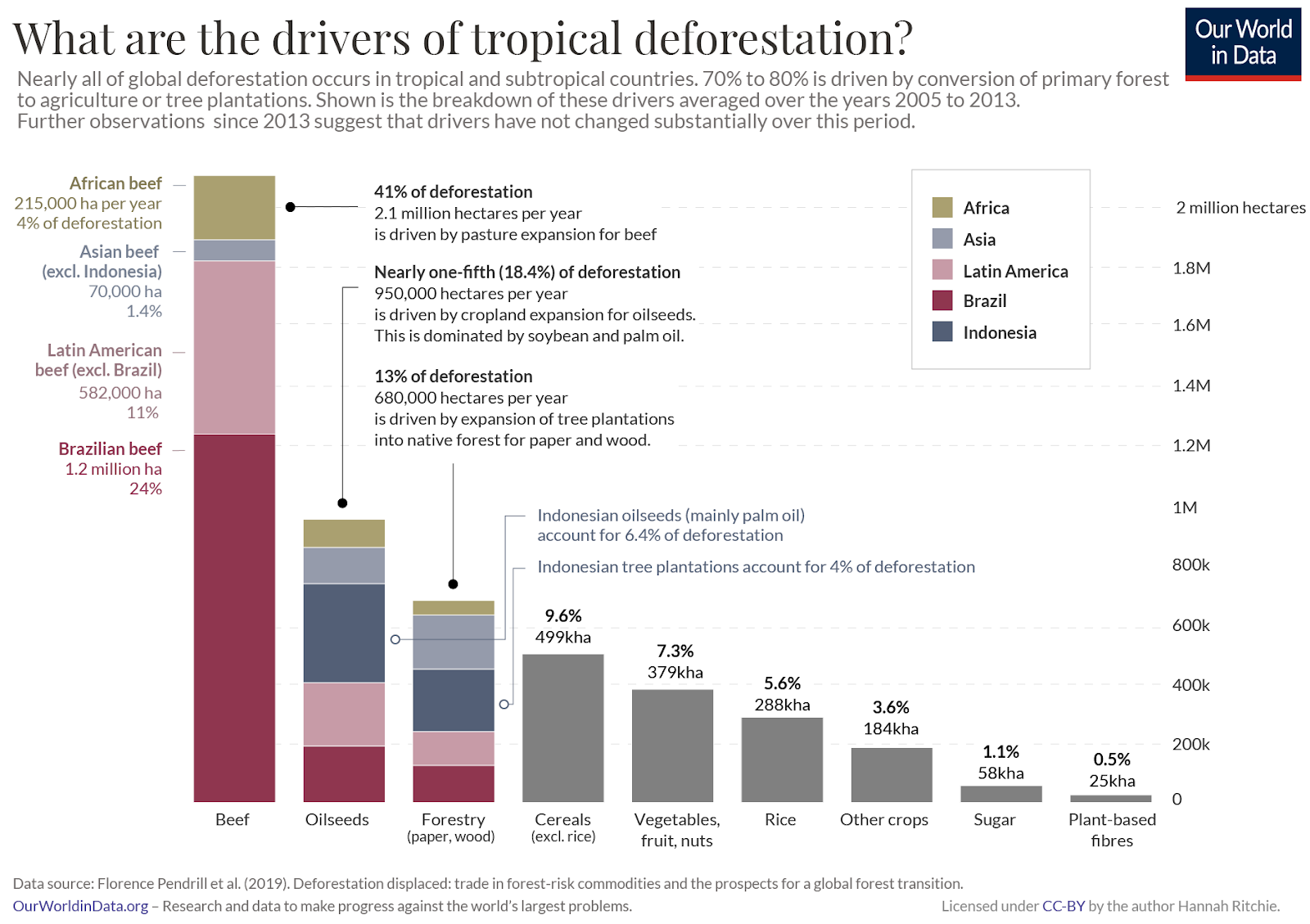
These forests aren’t cleared for parks or housing or renewable energy. They’re bulldozed to grow crops for animal feed. Soybeans and corn that’ll never touch human plates—just feed troughs for livestock becoming someone’s dinner.
Amazon destruction is almost entirely our fault. The numbers are clear, damning, and impossible to ignore if you actually care. 91% of Amazon deforestation is caused by animal agriculture. Ninety-one percent. That’s not a contributing factor—that’s the main driver.
This happens primarily for cattle grazing and soy production. Ranchers want cheap land for herds. Farmers need space for feed crops. The Amazon gets sacrificed for cheap meat, and everyone pretends it’s inevitable.
Here’s the kicker: most of that soy isn’t feeding humans directly. It’s fed to livestock in other countries. We’re destroying the “lungs of the Earth” to fatten animals halfway across the world. The system’s insanity is almost impressive.
Biodiversity Loss Is the Tragedy Nobody Mentions
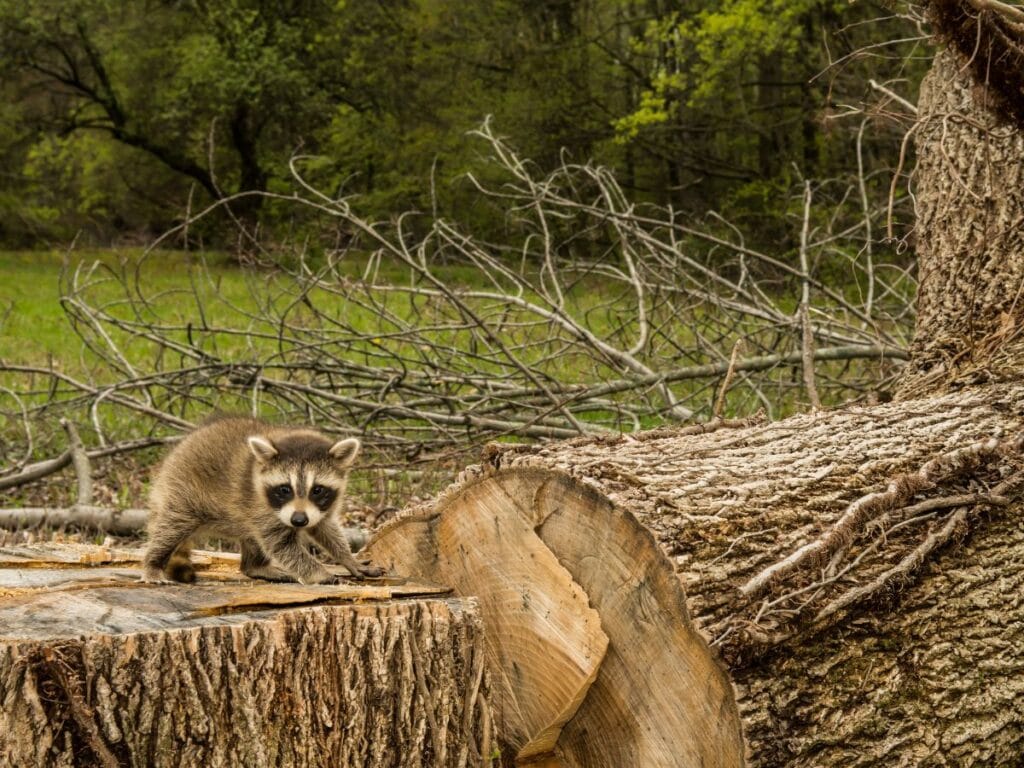
Deforestation destroys entire ecosystems that can never be rebuilt. Once they’re gone, they’re gone. You can’t replant some trees and call it fixed after wiping out complex networks that took millennia developing.
This endangers wildlife existing nowhere else on Earth. Species that evolved in these specific forests have nowhere to go when homes get bulldozed. They don’t relocate to another forest—they die. Extinction isn’t reversible, no matter how guilty we feel later.
Deforestation also accelerates climate change in compounding ways. Forests absorb carbon dioxide. Cut them down, that carbon gets released back into the atmosphere. Then you lose future carbon absorption those trees would’ve provided. Double climate hit.
The Amazon’s Biodiversity Is Staggering
The Amazon alone holds 10% of the world’s known species. One forest contains ten percent of all species we’ve discovered on the entire planet. The biodiversity concentrated there is staggering, irreplaceable, and currently being destroyed for cattle ranches.
Many of these species are threatened with extinction now. Not “might be someday”—are currently threatened, right now, because habitats are disappearing. Animals that survived millions of years can’t survive humans clearing forests for hamburgers.
Where are most of the forests in the world lost to deforestation:
The Uncomfortable Truth About Your Burger
Every burger or steak you eat contributes to this destruction. Not hypothetically. Not indirectly. Directly and measurably. Your food choices fund the industries cutting down these forests.
You can’t eat beef and claim to care about the Amazon. Those two things are incompatible. The cattle industry destroys the rainforest, and buying their products funds that destruction. It’s really that simple, even if acknowledging it’s uncomfortable.
By choosing plant-based alternatives, you’re helping protect these vital ecosystems. Not saving them single-handedly—but actually helping in real, measurable ways. Less demand for beef means less profit in destroying forests. Economics matter here.
How a plant based diet helps the planet includes keeping forests standing instead of turning them into pastures. Trees that absorb carbon, produce oxygen, house wildlife, and regulate climate—or cattle that’ll become fast food in six months. The choice is clearer than most people admit.
How to Start a Plant-Based Diet for the Planet

You don’t need to go fully plant-based overnight to make a difference. Nobody’s expecting perfection, and anyone claiming otherwise is setting you up to fail. Start small by incorporating more plant-based meals into your weekly routine—that’s it.
Going cold turkey (ironic phrase, whatever) on all animal products usually ends with you face-first in pizza at 2 AM wondering where it all went wrong. Don’t make that mistake. Slow and steady actually works here, unlike most things.
Small Changes Actually Add Up
Even reducing your meat consumption can significantly lower your environmental impact. You don’t need perfection. Cut out beef twice a week? That’s meaningful. Skip dairy on Mondays? That counts. Every single plant-based meal reduces emissions, saves water, and eases ecosystem burden.
Try Meatless Mondays if you need structure. Replace one meat-based dinner with beans or lentils this week. Swap cow’s milk for oat milk in your coffee. These aren’t revolutionary changes—they’re tiny tweaks that add up faster than you’d think.
Veganize What You Already Like
Start with meals you already like and just veganize them. Tacos with beans instead of beef? Still delicious. Pasta with marinara instead of meat sauce? You won’t miss it. Stir-fry with tofu instead of chicken? Give it two tries before judging—the first one’s always weird.
Remember, every little bit helps. This isn’t empty encouragement—it’s mathematical fact. Millions of people making small changes create more impact than a handful of people being perfect. Your imperfect effort beats someone else’s perfect excuses.
Progress Over Perfection
Don’t let perfect be the enemy of good here. You’ll mess up. You’ll eat cheese when you said you wouldn’t. You’ll cave at barbecues. That doesn’t erase the progress you’ve made or negate meals where you did choose plants. One “failure” doesn’t undo a week of success.
How a plant based diet helps the planet isn’t about guilt or shame or moral superiority. It’s about recognizing your choices matter and making better ones when you can. Some days you can, some days you can’t. The days you can? Those still count.
Conclusion: Your Plate, Your Planet, Your Choice
The choices you make at mealtime have lasting impact on our planet. Not “might” have impact—can and do have one, right now, with every fork you lift to your mouth. That’s either empowering or terrifying depending on your perspective.
Opting for a plant based diet delivers environmental benefits by reducing resource use, emissions, and ecosystem destruction. Two benefits for the price of one dietary change. Environmental outcomes improve when demand shifts away from resource-intensive animal agriculture.
The Benefits Stack Up Suspiciously Well
The Amazon will thank you for skipping beef. Your wallet might even thank you since beans cost less than steak. It’s almost suspicious how many benefits stack up here.
Small diet changes can lead to big planetary changes. That’s not motivational poster nonsense—that’s how collective action actually works. One person switching to plant-based eating saves approximately 200 animals per year and slashes their carbon footprint by up to 73%.
Now multiply that by thousands, then millions of people making similar choices. The emissions reductions become measurable. Water conservation becomes significant. Forest destruction slows because demand for beef drops. Economics drive change faster than guilt ever could.
Start Today, Not Monday
So why not start today? Not tomorrow. Not Monday. Not after you finish the meat in your fridge. Today, with your very next meal, you could make a choice that helps instead of harms. How a plant based diet helps the planet starts with one decision at a time.
You’ve read the facts. You know the numbers. You understand the impact. The plant based diet environmental benefits are measurable, immediate, and driven by how food systems operate at scale. Choose plants more often, and watch your individual impact transform from part of the problem into part of the solution.
Your plate, your planet, your decision. The fork’s in your hand. What you do with it next actually matters more than you think.