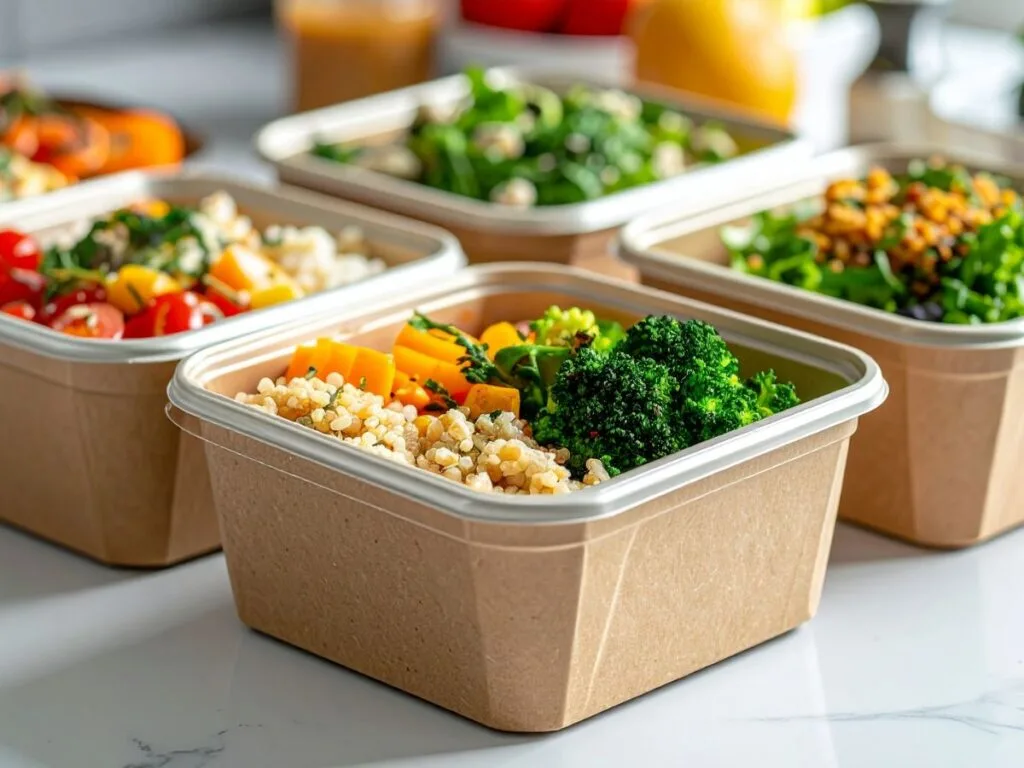
Nutrient timing on a plant based diet isn’t about obsessing over clocks or eating like you’re preparing for a lab experiment. It’s about structuring real food so your body actually absorbs what you eat. Most people focus on what foods are “healthy” and completely ignore when and how those foods are combined.
That’s where absorption quietly falls apart.
You can eat spinach, lentils, oats, tofu, tahini, pumpkin seeds and still miss out on key nutrients if your meals constantly compete internally. The goal isn’t perfection. It’s smarter structure that helps you improve nutrient absorption naturally — without relying on pills.
This is food-first. No supplement stacking. No rigid schedules. Just meals that cooperate instead of clash.
Why Nutrient Timing on a Plant Based Diet Even Matters
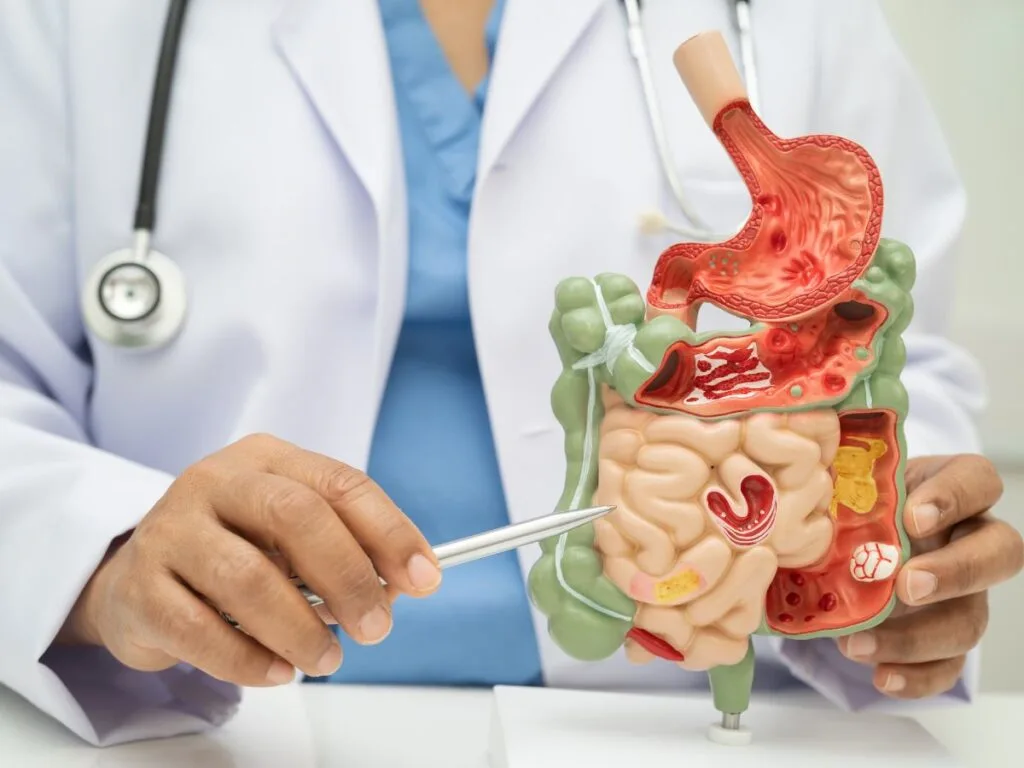
Your digestive system isn’t a blender that magically extracts everything. Nutrients use specific transport pathways. Some compete for the same doorway into your bloodstream. Some require other compounds present at the same time. Some get blocked by habits as simple as coffee with breakfast.
Digestion also happens in stages. Food moves at different speeds. Enzymes activate depending on what you eat. Stomach acid adjusts to meal timing and composition. If you repeatedly stack foods that interfere with each other, absorption drops — not dramatically overnight, but subtly over months and years.
This isn’t about fear. It’s about understanding how to maximize nutrient absorption on a plant based diet with structure, not stress.
Morning Meals: Coffee, Oats, and Hidden Mineral Interference
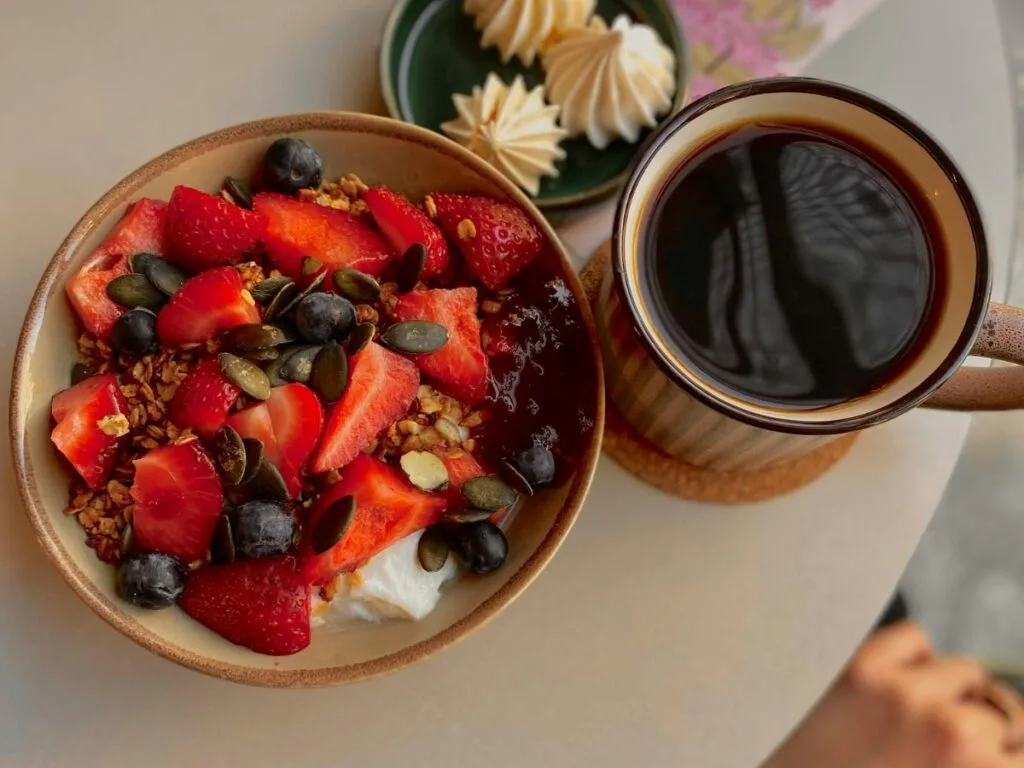
Here’s a classic vegan breakfast:
Oats. Soy milk. Banana. Coffee immediately after.
Looks balanced. Feels healthy. Seems harmless.
The problem? Coffee and black tea contain tannins and polyphenols that bind to iron and zinc. When consumed with mineral-rich meals, absorption can drop significantly — often 40–60% or more in controlled studies, depending on dose and meal composition.
That doesn’t mean coffee is evil. It means timing matters.
A smarter structure:
Eat your oats with soy milk, berries, and ground flax. Let digestion begin. Then wait 45–60 minutes before drinking coffee. This gives minerals time to absorb before tannins interfere.
If you need something warm immediately, choose rooibos, chamomile, peppermint, or other herbal teas. These don’t contain the same tannin levels as black or green tea and won’t meaningfully block mineral absorption.
Small shift. Massive long-term impact.
Iron Absorption: The Vitamin C Pairing That Actually Works
Plant-based iron absorbs differently than animal-based iron. It needs assistance.
Vitamin C can significantly increase non-heme iron absorption — in some studies by up to threefold when consumed in the same meal. The key is pairing, not timing hours later.
Real-world examples:
- Lentil curry with bell peppers
- Spinach with lemon juice
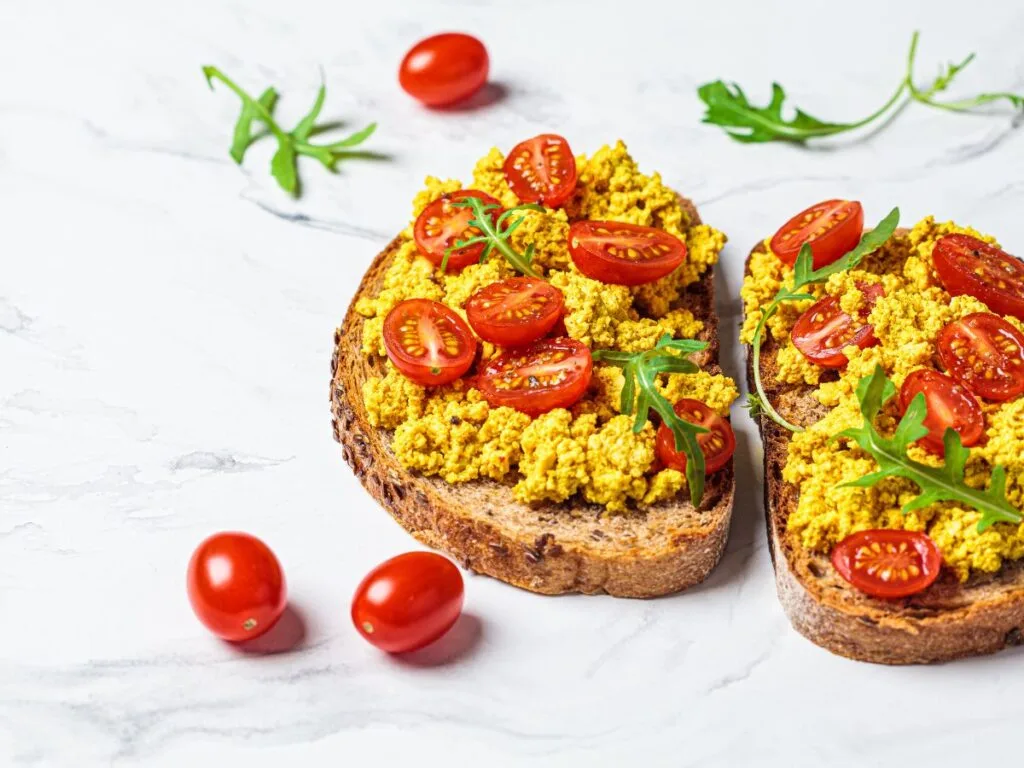
- Tofu scramble with tomatoes
- Fortified cereal with strawberries
Drinking orange juice three hours later doesn’t fix anything. The vitamin C has to be present in the same meal.
Calcium and Zinc From Foods: When “Superfood Bowls” Backfire
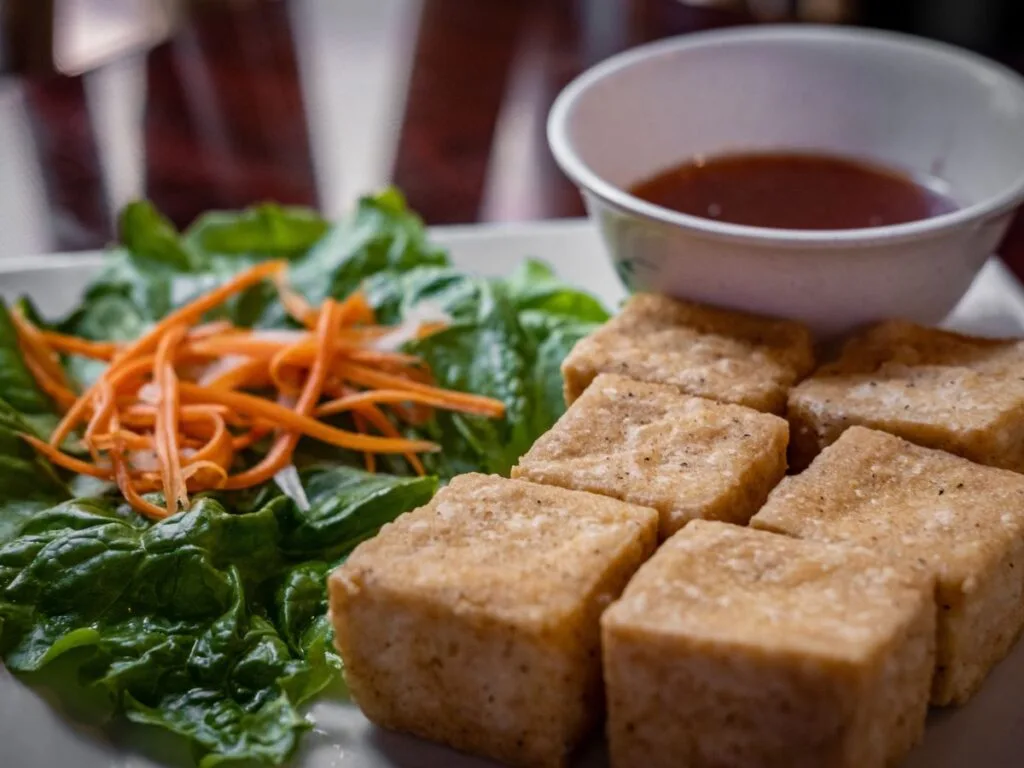
On a plant based diet, calcium often comes from fortified plant milks, calcium-set tofu, tahini, bok choy, kale, and almonds. Zinc commonly comes from pumpkin seeds, lentils, chickpeas, cashews, and whole grains.
Here’s the nuance most people miss:
High bolus doses of calcium (roughly 500 mg or more at once — usually from fortified foods or heavy stacking in one meal) can reduce zinc absorption when consumed together in large amounts. The issue isn’t normal food variety — it’s concentrated mineral stacking that forces nutrients to compete for the same intestinal transport systems.
Less effective structure:
Calcium-set tofu + large tahini dressing + fortified soy milk + pumpkin seeds + fortified juice in one sitting.
Smarter structure:
Have tofu and leafy greens at dinner. Eat pumpkin seeds with oats or as a separate snack earlier in the day. Drink fortified milk at breakfast instead of stacking it with zinc-heavy seeds.
Spread mineral-dense foods across the day. Your body absorbs better when not overwhelmed.
Fat Helps You Absorb Vitamins — But It Has to Be Real
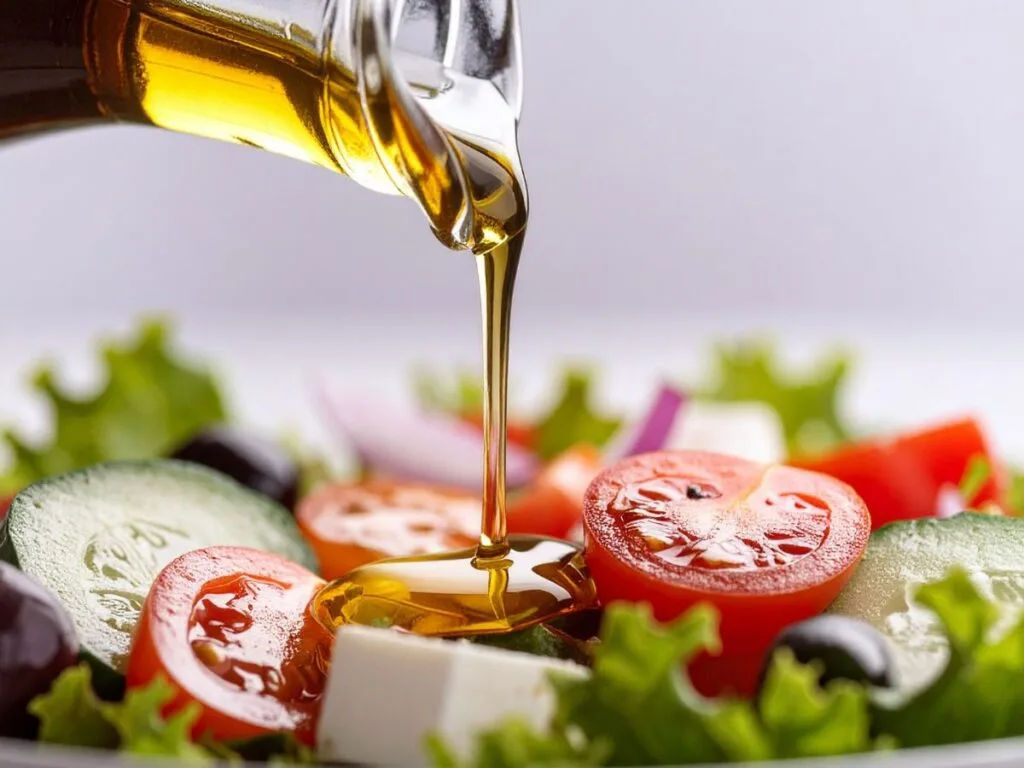
Vitamins A, D, E, and K are fat-soluble. Without dietary fat present, absorption drops significantly.
The same applies to carotenoids like beta-carotene in carrots and lycopene in tomatoes — without some fat present, absorption drops dramatically.
This doesn’t mean drowning everything in oil. It means including natural fats as part of the meal.
Better structured meals:
- Sweet potato with tahini drizzle
- Roasted vegetables with olive oil
- Spinach salad with avocado and seeds
- Wholegrain toast with peanut butter and tomato
Compare that to:
- Dry cereal with plant milk
- Plain steamed vegetables
- Fruit-only smoothie
Same foods. Completely different absorption outcomes.
If you want better nutrient timing on a plant based diet, fat isn’t optional — it just needs to be intelligently included.
Fruit Timing: Before or After Meals?

Fruit digests quickly because it’s high in water and natural sugars. When eaten after a larger balanced meal, digestion slows because the entire meal moves through the stomach more gradually. For many people, this produces a steadier blood sugar response.
If someone struggles with bloating, stacking large amounts of fruit immediately after heavy bean-and-grain meals can feel uncomfortable. In that case, fruit between meals may feel better.
There’s no dogma here. Observe your response and structure accordingly.
Phytates, Oxalates, and Preparation Methods That Actually Help
Whole grains, legumes, spinach, and soy contain compounds like phytates and oxalates that can reduce mineral absorption.
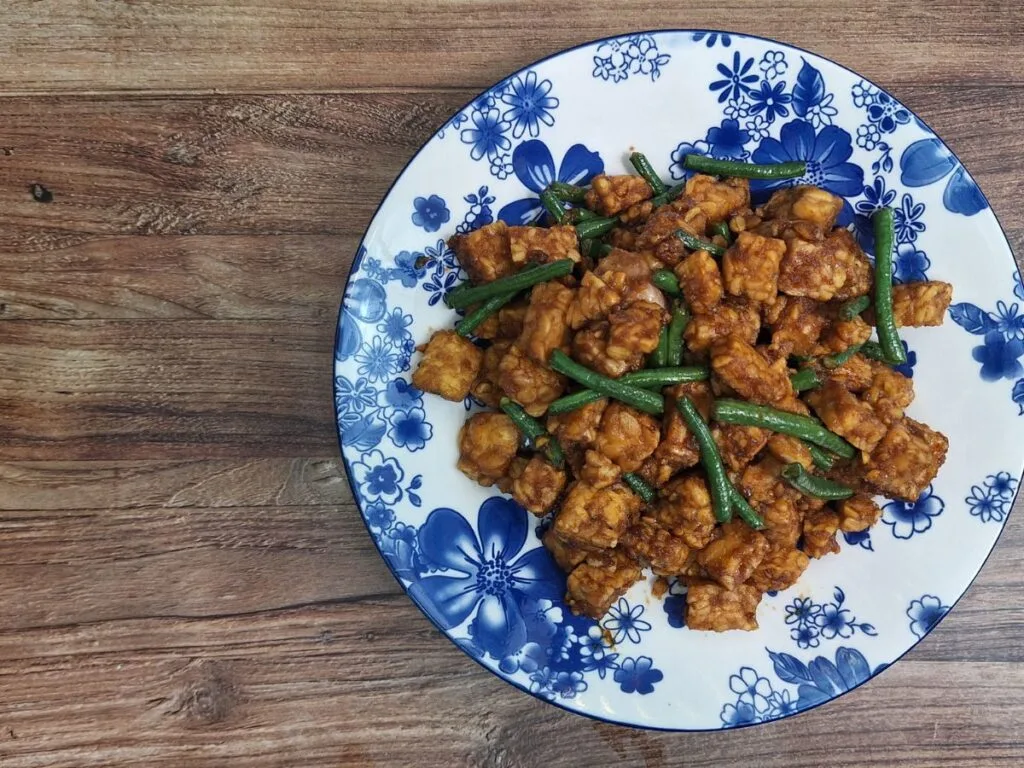
Cooking can reduce oxalates substantially — in some leafy greens by 30–80% depending on method. Soaking legumes can lower phytate content by roughly 10–20%, while fermentation (like sourdough or tempeh) may reduce phytates by 40–60% or more. These traditional techniques measurably improve mineral availability without requiring supplements.
Tempeh instead of plain soybeans. Sourdough instead of standard bread. Fully cooked legumes instead of undercooked beans.
These aren’t trends. They’re functional techniques that improve nutrient bioavailability.
Chewing, Hydration, and the Basics Nobody Mentions

You can structure meals perfectly and still reduce absorption by rushing through them.
Chewing thoroughly increases surface area for digestive enzymes. It improves mechanical breakdown before food reaches your stomach.
Hydration matters too — but excessive fluid during meals isn’t helpful. Normal drinking is fine. Flooding your stomach with large amounts of water may slightly dilute gastric acidity, which plays a role in mineral release.
Eat slowly. Chew properly. Drink reasonably. These basics support absorption more than people realize.
Gut Integrity: The Foundation of Nutrient Timing
If someone has chronic diarrhea, inflammation, poor sleep, or constant stress, nutrient absorption suffers regardless of timing strategy.
Loose stools reduce contact time between nutrients and the intestinal wall. Chronic stress alters stomach acid and enzyme production. Sleep deprivation disrupts gut motility and microbiome balance.
Supporting absorption means:
- Consistent meal timing
- Diverse fiber sources
- Fermented foods like sauerkraut, kimchi, miso, tempeh
- Adequate hydration
- 7–9 hours of sleep
Nutrient timing only works when the gut environment is functional.
A Sample Day of Nutrient Timing on a Plant Based Diet (Real Foods)
Breakfast (7:30 AM)
Oats cooked in soy milk, topped with blueberries, ground flax, and peanut butter. Vitamin C supports iron absorption. Fat supports vitamin absorption.
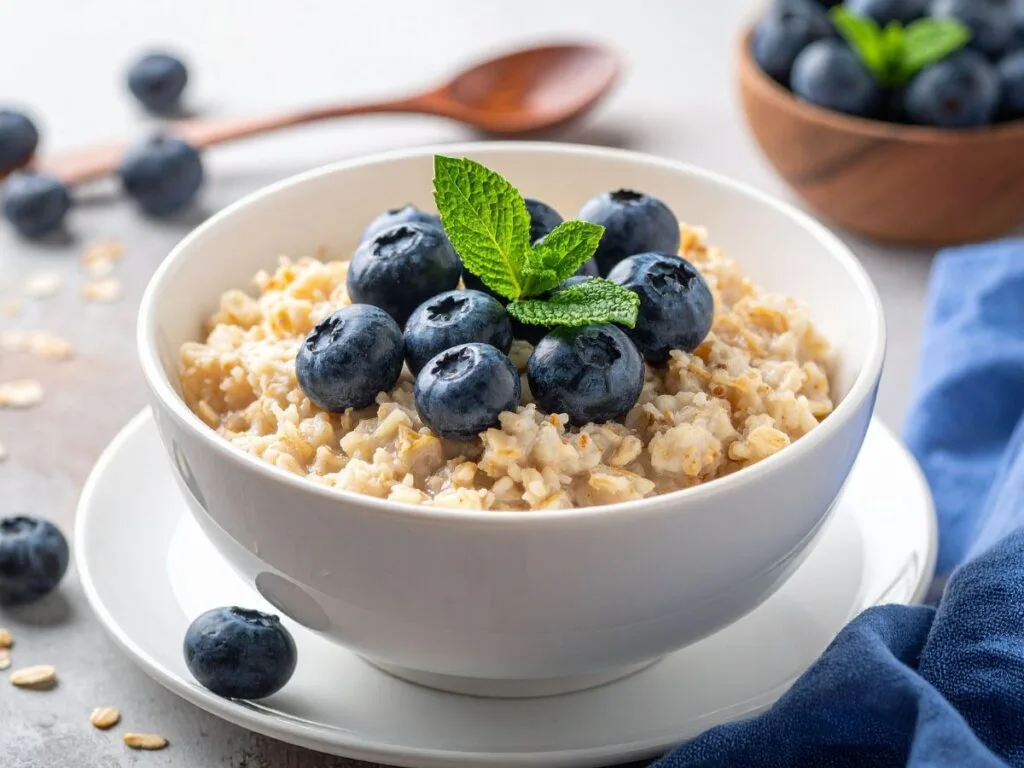
Coffee at 9:00 AM — separated from mineral absorption window.
Lunch (12:30 PM)
Lentil and vegetable soup with sourdough bread and olive oil drizzle. Lemon on the side salad improves iron uptake. Pumpkin seeds included — but no calcium stacking.
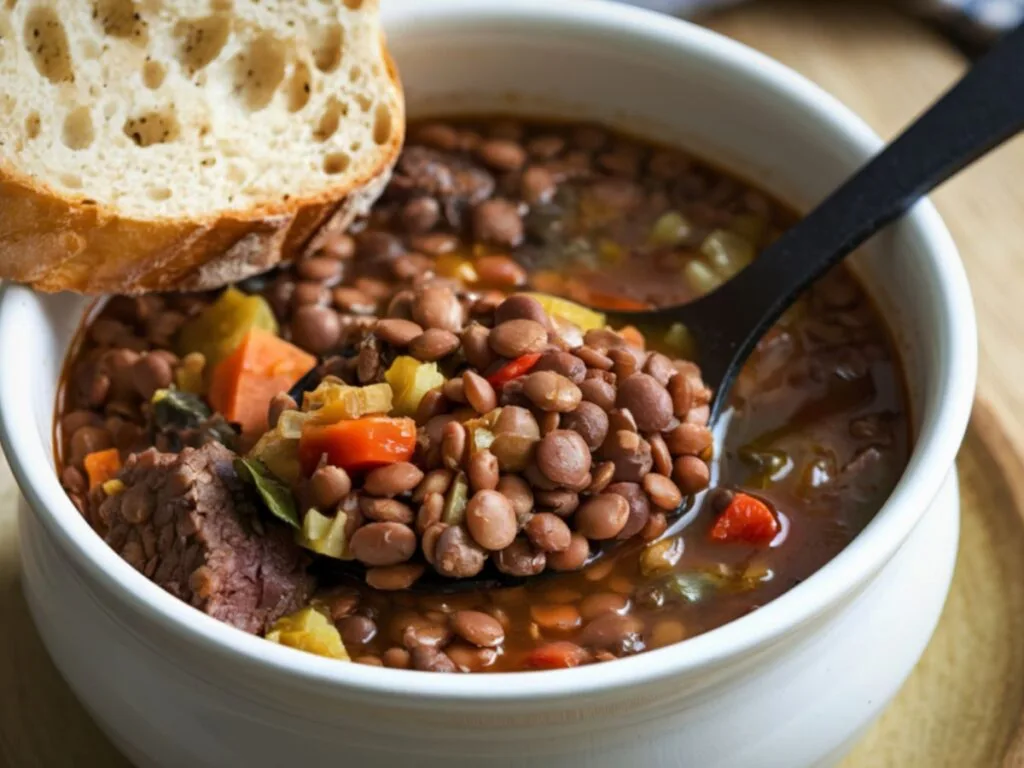
Herbal tea instead of black tea.
Snack (3:30 PM)
Apple with almond butter.
Dinner (6:30 PM)
Calcium-set tofu stir fry with bok choy, carrots, bell peppers, brown rice, and tahini sauce.

Notice what’s happening:
- Coffee separated from mineral-rich meals
- Zinc-heavy foods not stacked with high-calcium loads
- Natural fats present at every meal
- Vitamin C paired strategically
- Fermented sourdough improving mineral availability
- Regular meal timing supporting digestion
No supplements. No tracking apps. Just structured eating.
When Time of Day Actually Makes a Difference
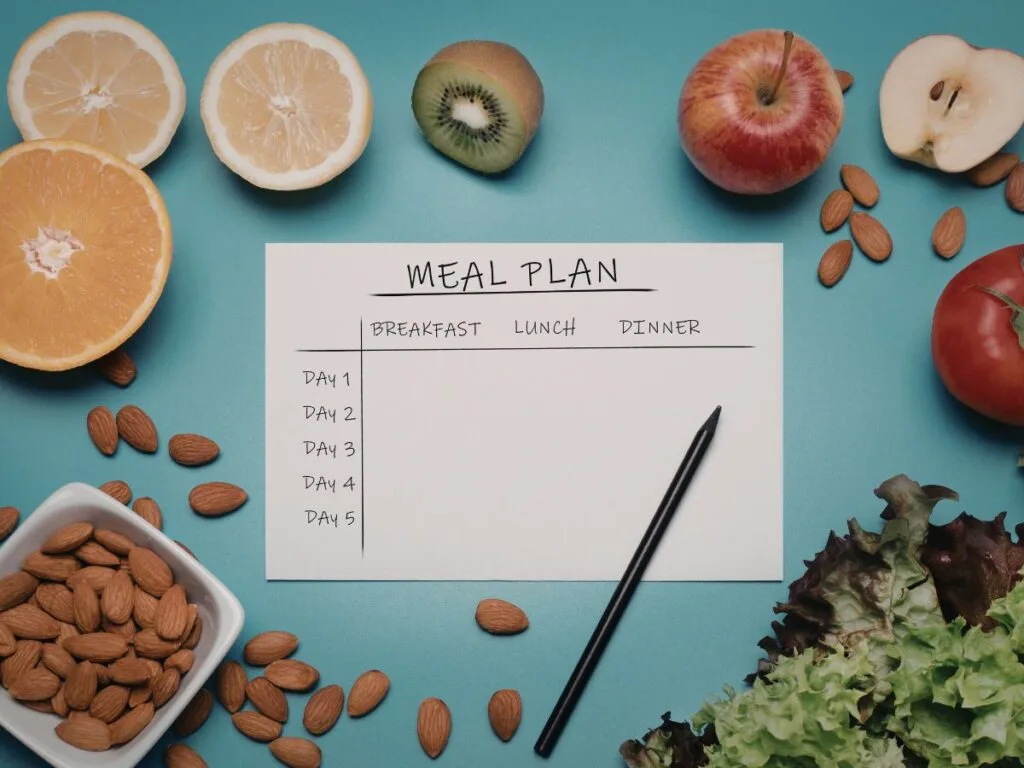
Your body generally handles food more efficiently earlier in the day when insulin sensitivity and digestive activity are higher. Large heavy meals very late at night may impair digestion for some people.
This doesn’t mean skipping dinner.
It means:
- Avoiding massive refined-carb meals right before bed
- Keeping late meals moderate
- Eating at roughly consistent times daily
Consistency trains digestion. Chaos confuses it.
What This Actually Means (Without Jargon)

If you want better absorption from food:
- Separate strong coffee and black tea from mineral-rich meals by 45–60 minutes
- Spread seed-heavy and calcium-heavy foods across different meals
- Include natural fats with vegetables and vitamin-rich foods
- Pair vitamin C-rich foods with iron-rich plant foods
- Use soaking, cooking, or fermentation when possible
- Eat at consistent times
- Chew properly
- Support gut health
You don’t need obsession. You need meals that cooperate instead of compete.
That’s nutrient timing on a plant based diet done properly — not perfectly.