
Is a vegan diet safe long term? Yes — but only if you stop treating it like a personality trait and start treating it like actual nutrition.
Most vegans don’t fail because plants are dangerous. They fail because they think good intentions count as meal planning. Spoiler: they don’t.
Here’s what actually determines whether you’ll thrive for decades or end up back at Chick-fil-A claiming “my body just needs meat.”
Is a Vegan Diet Safe Long Term If You’re Not Eating Enough?
The first thing that breaks isn’t B12. It’s calories.
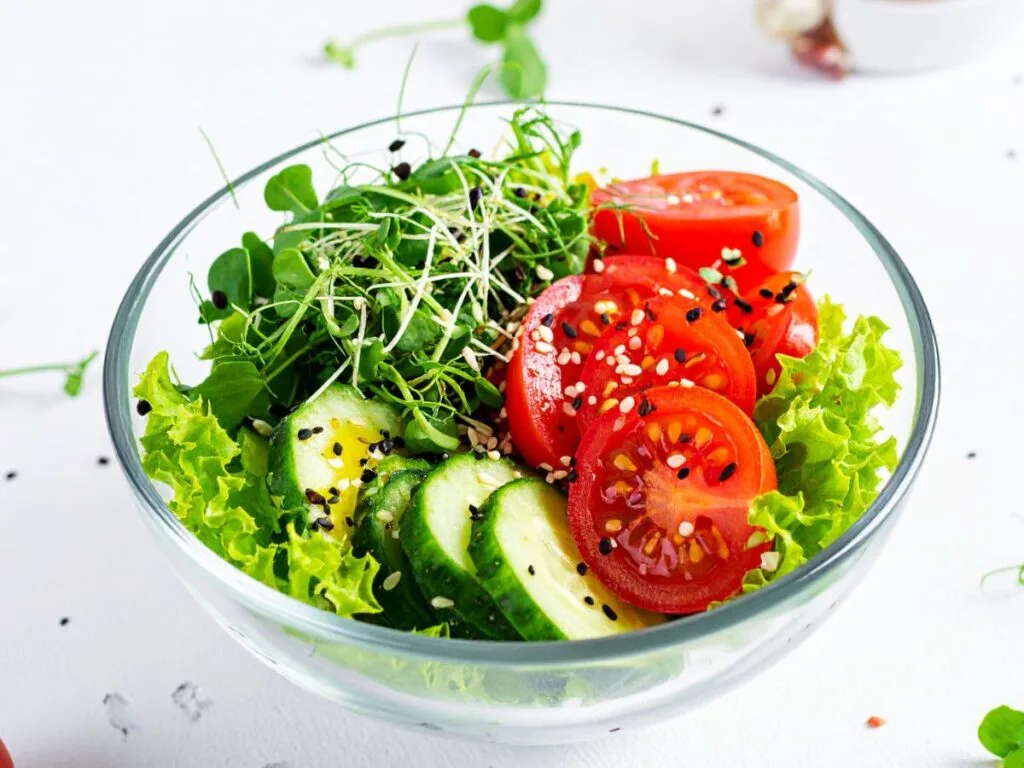
Plant foods are bulky. You can eat a mixing bowl of salad, feel completely stuffed, and still have eaten maybe 200–300 calories. Meanwhile, your body quietly needs ten times that over the course of a day.
So you spend months exhausted, cold, and unable to focus. You blame stress, aging, hormones, or “just being busy lately”. It never occurs to you that you’re just chronically under-fuelled because vegetables take up so much space they trick you into thinking you’ve eaten “a lot.”
If most of your meals don’t deliberately include starch or fat, you’re probably under 1,800 calories without realising it. Most adults won’t function well there long term, no matter how clean the food looks.
Your Protein Intake Is Probably Inconsistent As Hell
You don’t need bodybuilder levels of protein. You do need some every single day.
Most vegans eat enough protein on Monday when motivation is high, then coast through the rest of the week on crackers, hummus, and vibes. Your body doesn’t politely average this out. It just slowly sheds muscle while everything feels harder than it used to.
This matters more as you age. Protein needs don’t go down over time — they go up. Inconsistent intake that feels fine at 25 quietly becomes a problem at 45 and a liability at 65.
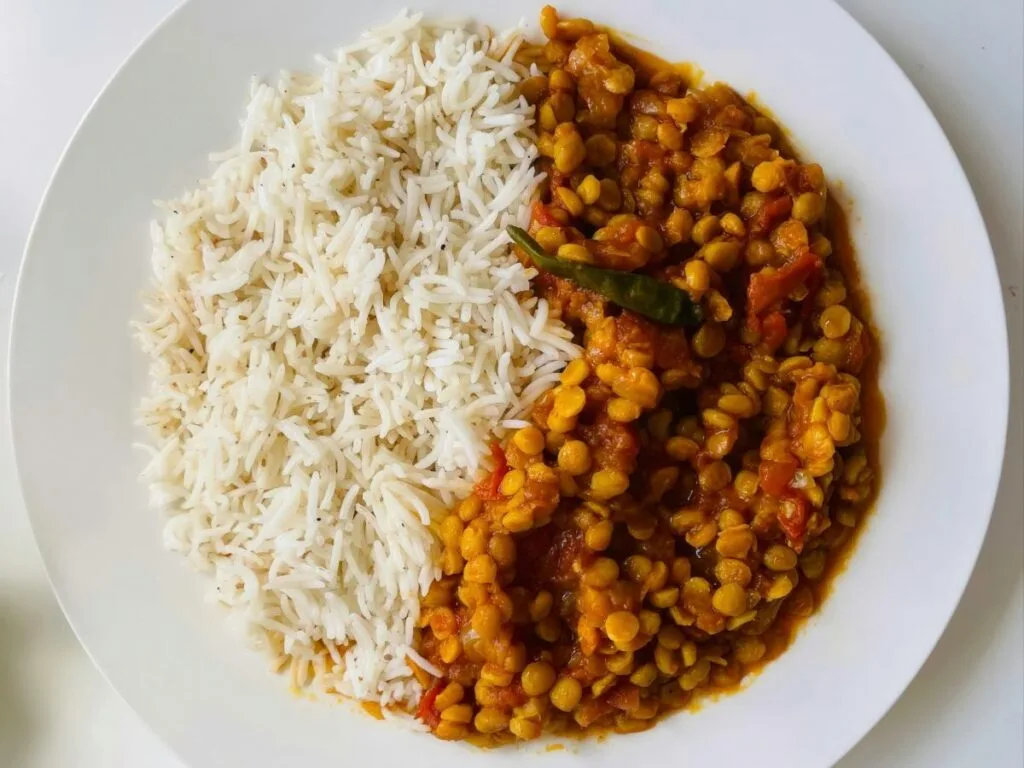
Beans, lentils, tofu, tempeh, or seitan need to show up daily. Not when you remember. Not when you feel inspired. Daily. Here are the best protein sources for vegans.
Is a Vegan Diet Safe Long Term Without B12? No.
There is no plant source of B12 that works. None.
Not nutritional yeast. Not fermented foods. Not that expensive seaweed your favourite wellness influencer swears by. B12 deficiency doesn’t announce itself with drama. It quietly damages nerves and cognition for years until some of that damage becomes permanent.
At that point, people blame veganism instead of the fact that they refused to take a basic supplement because it felt like admitting defeat.
Take 1,000 mcg a few times a week. It’s fairly cheap in most countries. This is the easiest nutrition problem on the planet to solve, and people still mess it up out of stubbornness.
You’re Eating Iron-Rich Foods but Absorbing Almost None of It

Spinach has iron. You eat spinach. You’re still exhausted. Confused?
Plant iron absorbs poorly compared to animal iron, and absorption depends heavily on what else is in the meal. Coffee or tea with food? You just blocked most of it. Calcium supplements with dinner? Same problem.
Over months, iron stores drop quietly until fatigue becomes your baseline.
If a meal is iron-focused, pair it with vitamin C and keep coffee and tea away from it. That single habit fixes more iron problems than doubling your spinach intake ever will.
The same logic applies to zinc. It’s in beans and nuts, but absorption isn’t automatic. Understanding how nutrients behave in the body matters more than memorising food lists.
Understanding how a plant-based diet helps the planet won’t help much if you’re too depleted to function. Here is how to find and absorb more iron from plants.
Is a Vegan Diet Safe Long Term for Bone Health?
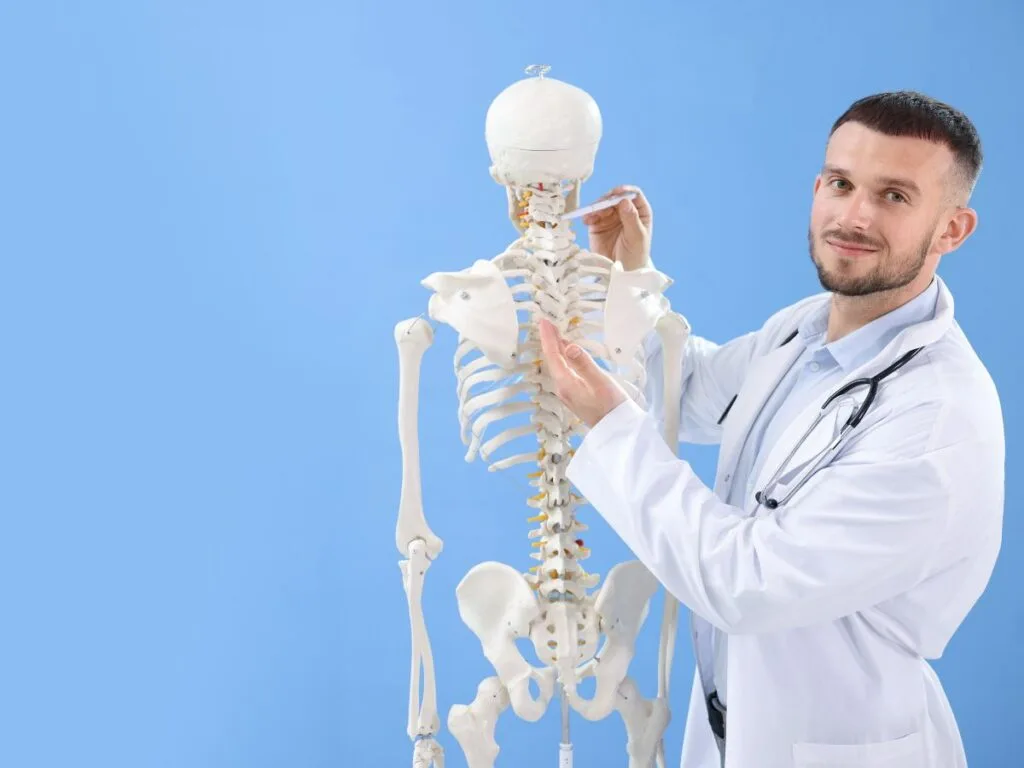
Everyone panics about calcium on vegan diets. Almost no one pays attention to what actually protects bones.
Bones respond to adequate energy intake, sufficient protein, vitamin D status, and mechanical loading. Chugging fortified plant milk while under-eating and never lifting anything heavier than your phone won’t save them.
Countries with the highest dairy consumption don’t have the strongest bones. That alone should give people pause.
Long-term studies show well-planned vegan diets have comparable bone outcomes to omnivorous diets. The phrase “well-planned” is doing a lot of work there.
Stop Building Your Diet Around Vegan Junk Food

Vegan burgers aren’t the problem. Living on them is.
Most vegan cheeses are coconut oil mixed with sadness. Nuggets are breaded sodium bombs. Fine occasionally. A disaster as a foundation because they replace foods that actually support long-term health.
There’s a difference between convenience foods and foundation foods. Vegan junk works as convenience. It fails miserably as a foundation.
You can’t supplement your way out of a diet built on refined carbs and oils while insisting you “eat healthy because it’s vegan.”
Your Lifestyle Is Probably the Real Problem

Some people quit veganism and loudly announce their body “needed meat” when what it really needed was sleep.
You can’t eat your way out of chronic stress, four hours of sleep, and zero movement. No diet fixes burnout. Not vegan. Not paleo. Not carnivore. Not whatever your favourite podcaster is selling.
If your sleep, stress, and movement are a mess, your diet will look guilty even when it isn’t.
The vegans who thrive long term eat enough, sleep enough, move regularly, and don’t treat every meal like a moral referendum.
What the Research Actually Shows About Long-Term Vegan Diet Safety

Large population studies consistently associate well-planned vegan diets with lower cardiovascular risk, improved metabolic markers, and reduced rates of type 2 diabetes.
The Academy of Nutrition and Dietetics states that appropriately planned vegan diets are suitable for all life stages. That wording matters. These studies don’t say vegan diets are magic. They say planning determines outcomes.
Where long-term vegan diets fail, poor planning is almost always involved.
What Actually Determines Long-Term Success

Long-term vegan safety isn’t about purity, strictness, or how many documentaries you’ve watched.
It comes down to eating enough calories to fuel your actual body, getting consistent protein instead of occasional protein, taking B12 without drama, understanding basic mineral absorption, and building habits that don’t require superhuman discipline.
When those fundamentals are covered, vegan diets don’t just work — they often outperform standard diets. When they’re not, people struggle and assume veganism failed them instead of recognising they failed to plan.
The Bottom Line: Stop Winging It

Is a vegan diet safe long term? Yes — when it’s executed properly.
The people thriving for decades aren’t lucky or genetically special. They’re informed. They treat nutrition like a system that needs maintenance, not something powered by enthusiasm and good intentions.
Plan properly. Cover the basics. Stop winging it.
Execution determines outcomes. Not ideology.
References
Academy of Nutrition and Dietetics Position Paper, 2016
EPIC-Oxford Study, British Medical Journal
NIH Office of Dietary Supplements – Vitamin B12
Journal of Nutrition, Iron Bioavailability Reviews