
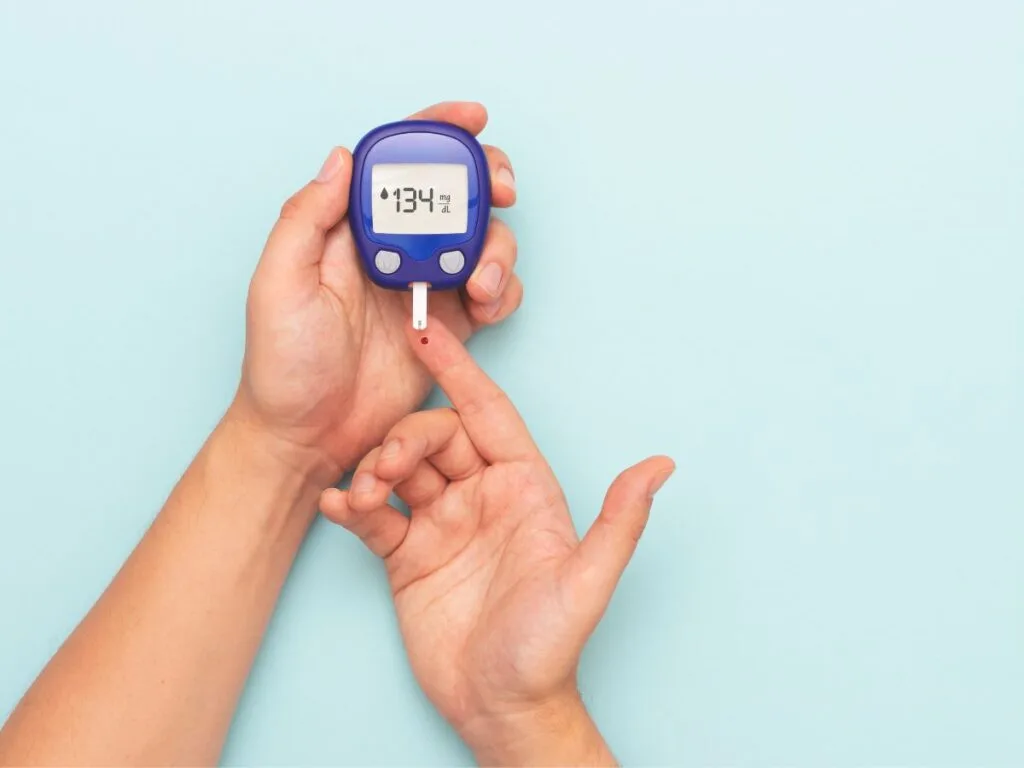
Let’s get one thing straight: to control blood sugar on a plant based diet, you don’t need to be scared of fruit. You don’t need to quit carbs, carry a glucose monitor everywhere, or eat like a joyless monk. You just need to understand what’s actually going on inside your body when you eat.
Most people struggling with blood sugar on a plant based diet aren’t eating too many carbs. They’re eating the wrong carbs in the wrong combinations, stacking fast-digesting foods together, and unknowingly wrecking their insulin sensitivity with poor fat choices. Don’t make that mistake.
The good news? Blood sugar control is mostly structural. Change how your meals are built, and the problem often sorts itself out — no obsessive tracking, no elimination diets, no sadness.
Why Blood Sugar Spikes Happen on a Plant Based Diet
Blood sugar rises when glucose hits your bloodstream faster than insulin can deal with it. The faster the digestion, the sharper the spike.
Plant foods aren’t the villain here. Processing, refinement, and context are. White flour, blended fruit, juices, sweet sauces, and liquid calories digest far faster than intact whole foods. Eat them alone — with no protein, fat, or decent fibre to slow things down — and glucose hits your blood like a freight train.
Repeated sharp spikes force your body to dump large amounts of insulin over and over again. Insulin is like a doorbell — press it constantly and eventually the system stops responding properly. Over time, insulin sensitivity drops, and blood sugar becomes harder to manage even when you’re eating reasonably. That’s a hole you don’t want to dig yourself into.
Fibre Helps Control Blood Sugar — But Only When It Actually Works
Everyone in the plant based world loves to talk about fibre like it’s some magical force field. It isn’t.
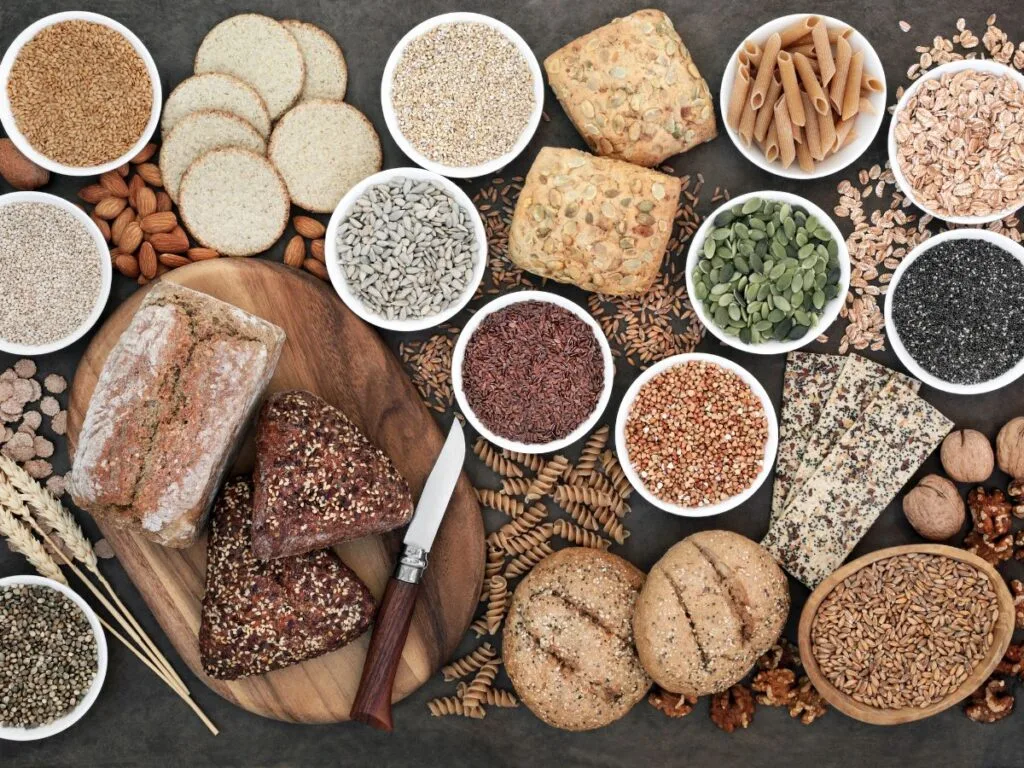
Fibre is incredibly useful, but only when it’s present in meaningful amounts and still structurally intact. Soluble fibre slows gastric emptying and glucose absorption. That’s why intact oats behave very differently from oat flour, and why whole fruit is nowhere near as problematic as juice.
Blending food into smoothies, grinding grains into flour, or eating a token sprinkle of fibre alongside a mountain of sugar doesn’t provide the same protection. Fibre has to be part of the food’s structure — not tossed in as an afterthought or used as a marketing claim on the box.
Everyday Foods That Quietly Sabotage Blood Sugar Control
These aren’t obscure junk foods. These are meals people eat every single day while genuinely believing they’re making healthy choices.
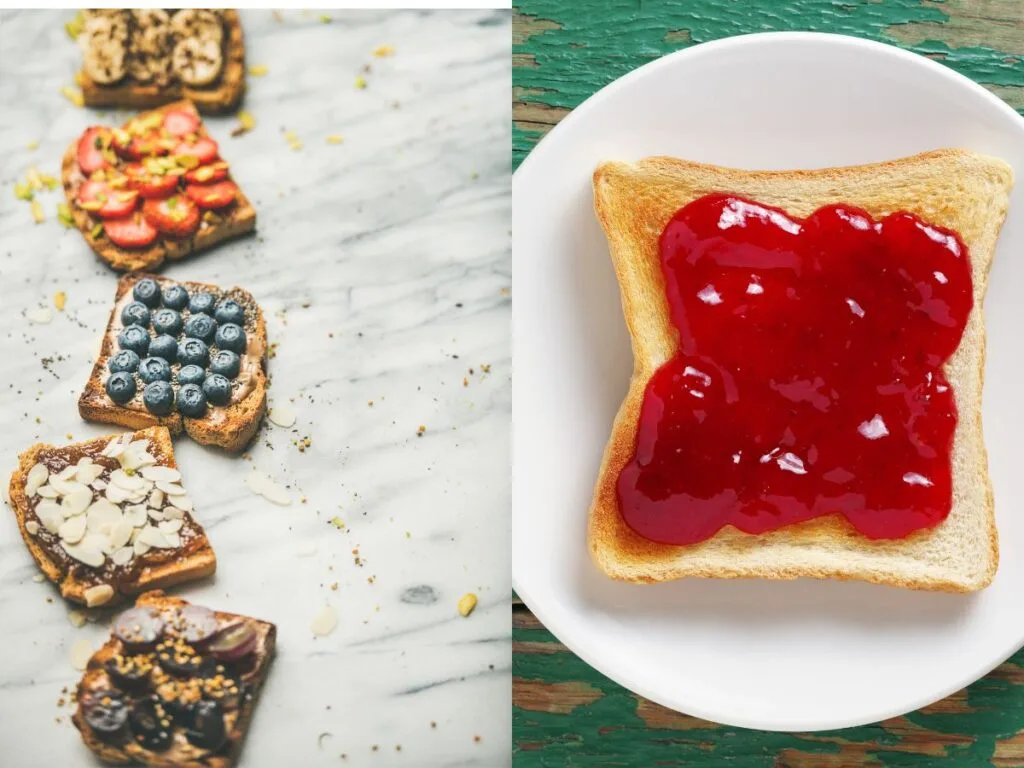
- White toast with jam or syrup digests rapidly because starch and sugar hit the bloodstream together with nothing slowing them down. Breakfast cereal with plant milk behaves the same way — even the ones sold in boxes covered in leaves and the word “wholesome.”
- Plain oatmeal cooked with water and topped with banana spikes far more than most people expect, especially when eaten alone first thing in the morning. Pasta with tomato sauce only, white rice with sweet sauces, and bagels with vegan cream cheese all share the same issue: refined starch without enough protein or fat to slow digestion.
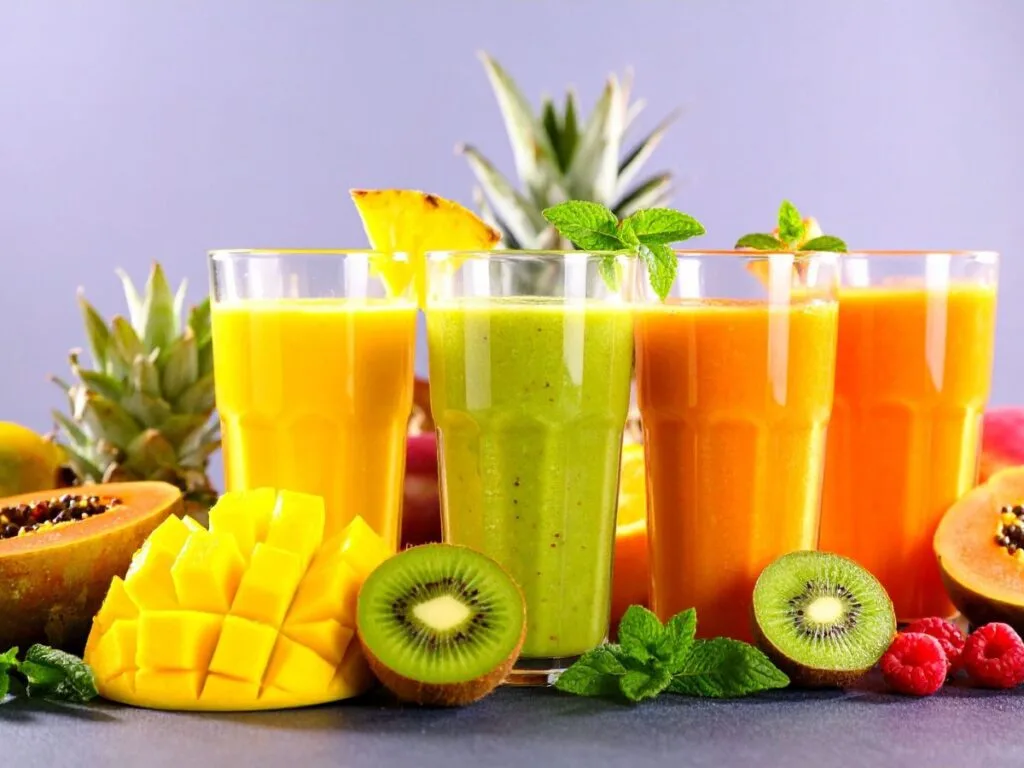
- Liquid calories make this problem even worse. Smoothies made from fruit and plant milk bypass chewing entirely, speeding digestion. Energy bars made mostly from dates and oats behave more like concentrated sugar than a proper meal, regardless of how “clean” the ingredient list looks.
None of these foods are inherently bad. They’re just incomplete when you’re trying to control blood sugar on a plant based diet.
How Smarter Food Combinations Stabilise Blood Sugar
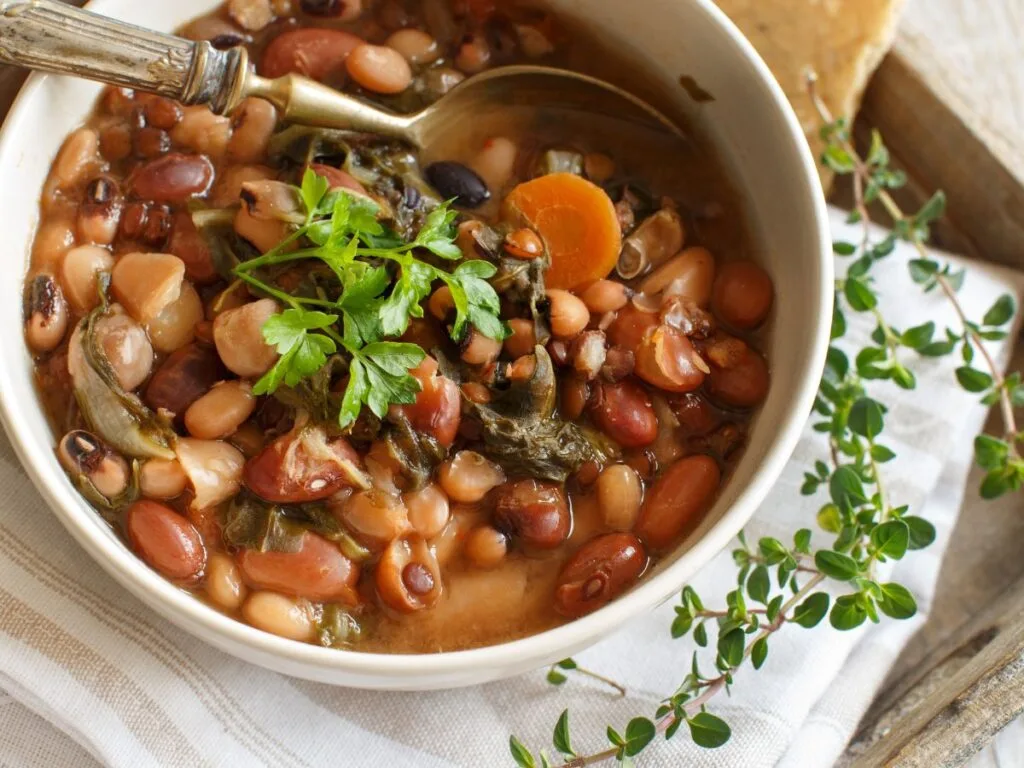
Here’s what actually changes the outcome: pairing.
- Oats cooked with soy milk and mixed with ground flax or chia digest far more slowly than oats made with water alone. Toast with peanut butter produces a gentler blood sugar rise than toast with jam because fat and protein slow glucose release.
- Rice paired with lentils or chickpeas creates a steadier response than rice eaten alone. Pasta combined with beans, tofu, or a decent drizzle of olive oil digests more slowly and keeps energy stable for longer. A baked potato loaded with beans and tahini behaves like a completely different food compared to a plain potato eaten on its own.
- Even fruit behaves differently depending on context. Eat it after a balanced meal and the blood sugar impact is much smaller than eating it alone on an empty stomach.
You’re not reducing carbohydrates here. You’re changing the speed at which they affect you — which is the entire game in plant-based eating when blood sugar matters.
Protein Isn’t Optional If You Want Stable Blood Sugar
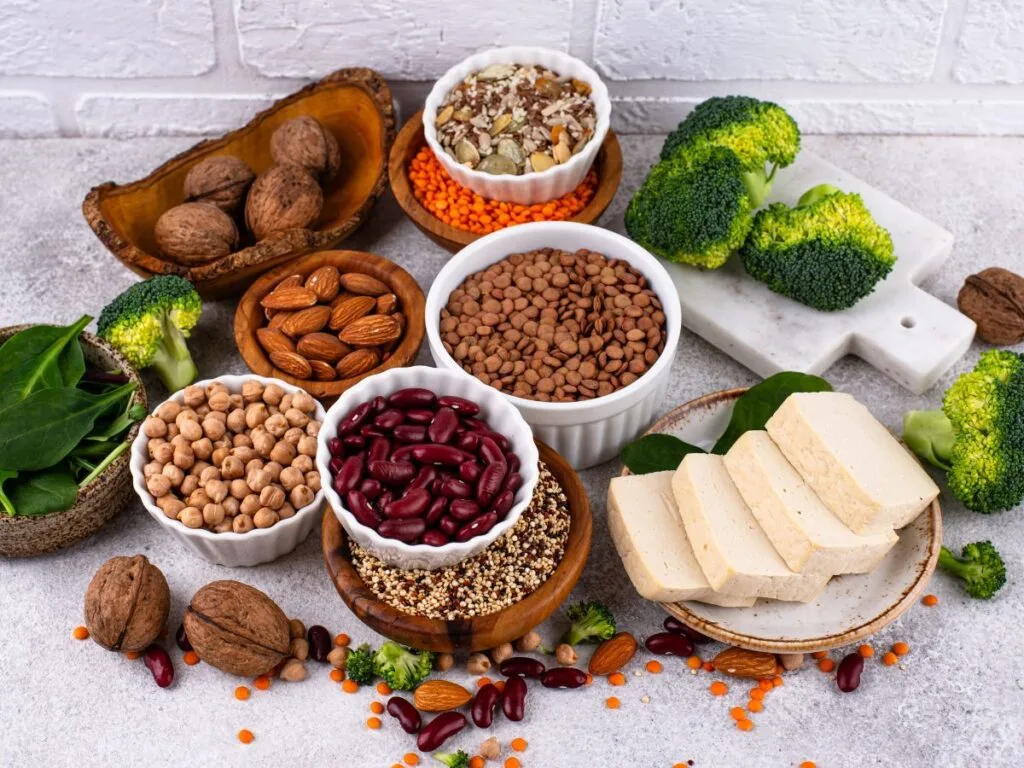
Protein isn’t just about muscle. It slows digestion and reduces how quickly glucose enters the bloodstream.
Meals built around bread, pasta, rice, or fruit without a clear protein anchor are far more likely to cause spikes and crashes. Beans, lentils, tofu, tempeh, edamame, and soy milk all work — but only if they’re actually present in meaningful amounts, not sprinkled on top as decoration.
Blood sugar stability improves when protein shows up consistently at meals, not sporadically when you remember it exists. See my article on the best plant protein sources.
Fat Quality Matters More Than You Think
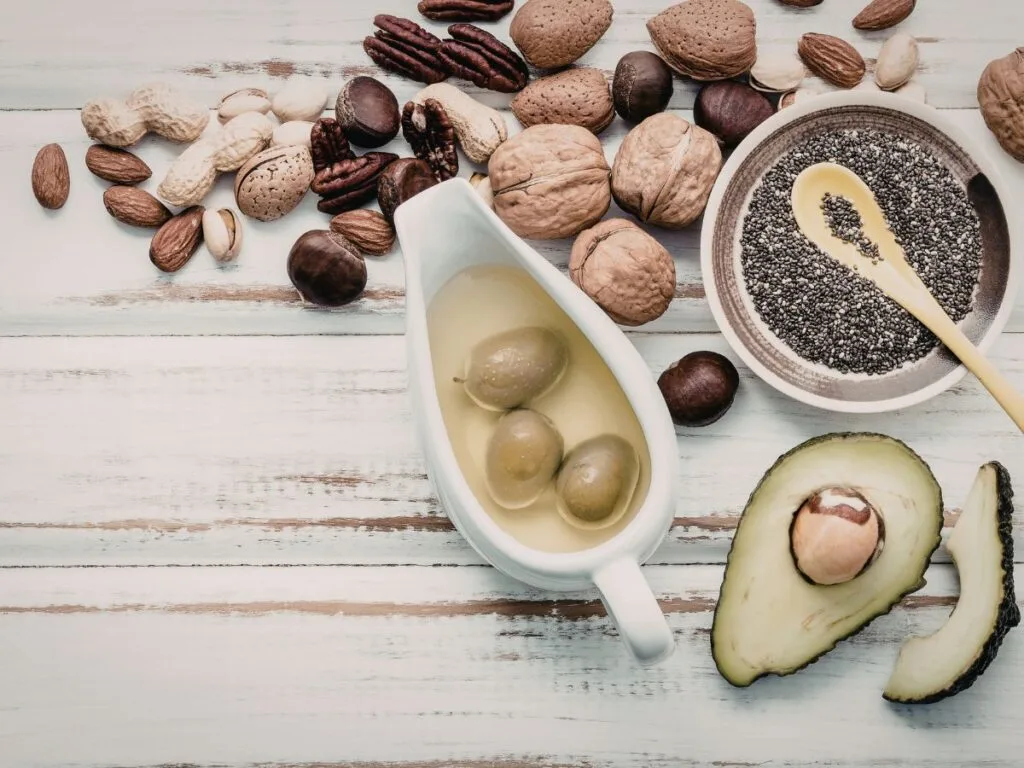
Fat slows gastric emptying, which helps moderate blood sugar. But the type of fat matters.
Unsaturated fats from olive oil, nuts, seeds, and tahini support insulin sensitivity. Saturated fats — especially from coconut oil, palm oil, vegan cheeses, and ultra-processed vegan convenience foods — quietly reduce insulin sensitivity over time.
You won’t feel this immediately. It’s more like a slow leak. A diet heavy in refined vegan junk food can make blood sugar harder to control even when carbohydrate intake is moderate.
That vegan cheese-and-coconut-cream phase a lot of people go through? It often does more metabolic damage than they realise.
Apple Cider Vinegar: A Small but Useful Lever
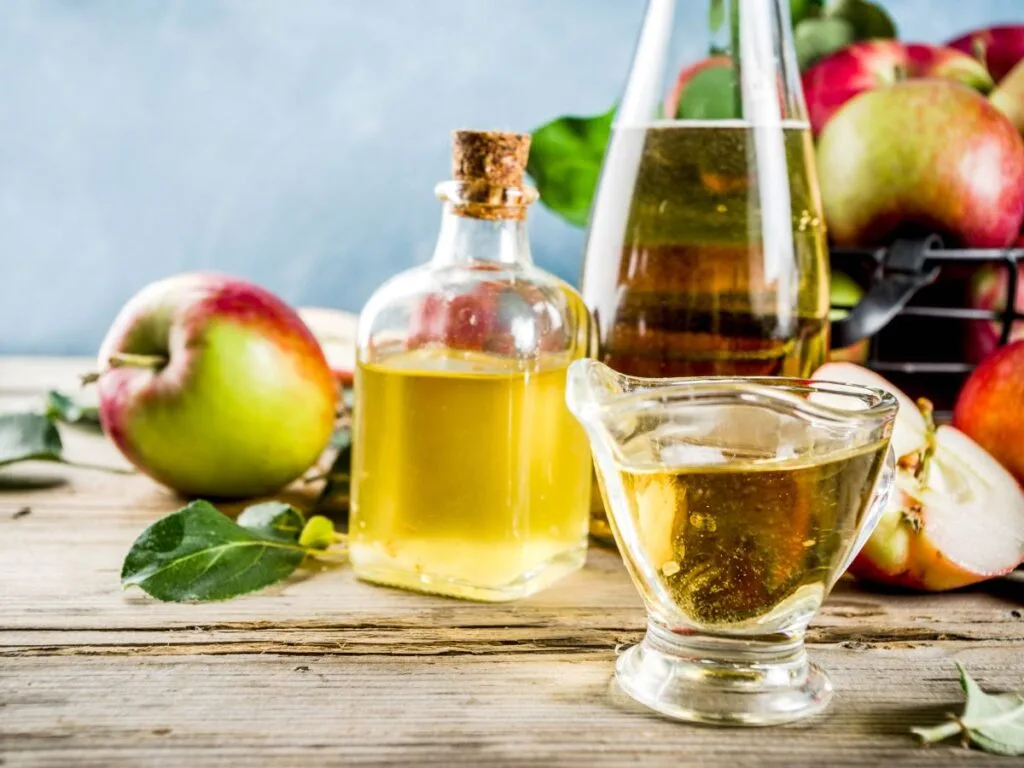
Apple cider vinegar isn’t magic, but it does something useful.
Taken before a carb-heavy meal, it can modestly reduce post-meal blood sugar by slowing gastric emptying and slightly improving insulin response. One tablespoon diluted in water about 10 to 20 minutes before eating is enough.
It’s most helpful when meals aren’t perfectly balanced or when you’re eating out. It won’t rescue a structurally terrible meal, but it can smooth the edges.
What Happens If Blood Sugar Stays Uncontrolled Long-Term

Insulin isn’t the enemy. Chronic overuse is.
Frequent sharp spikes train the body to become less responsive over time, increasing the risk of insulin resistance, persistent fatigue, and poor metabolic health.
Well-structured plant based diets consistently improve insulin sensitivity in long-term studies. Poorly structured ones do not. The difference isn’t ideology — it’s execution.
Practical Blood Sugar Strategies You Can Use Immediately
- Eat sweets after meals — never alone.
A cookie after a balanced meal spikes less than the same cookie eaten alone. Protein, fat, and fibre slow digestion and reduce how fast glucose enters the bloodstream. Dessert timing matters more than dessert purity. - Total carbohydrate dose determines spike size.
One small cookie (~10–15g carbs) causes a mild rise. Three cookies (~45–60g carbs) cause a much larger spike. A Tic Tac (under 1g sugar) is negligible. A 330ml soda (~35–40g sugar) is not. Blood sugar response scales with total carbohydrate load — not whether the food is labelled “healthy.” - High GI is not the whole story — density and total load matter more.
Boiled potatoes have a high glycaemic index but are mostly water and relatively low calorie per gram. A frosted pastry may have a similar GI but delivers far more refined starch + sugar in a compact dose. GI measures speed. Glycaemic load measures total exposure. The second predicts metabolic impact better. - Fat slows spikes short-term but can impair insulin sensitivity long-term.
Chocolate spikes less than pure candy because fat slows gastric emptying. However, frequent high saturated fat intake (coconut oil, palm oil, vegan cheese) reduces insulin sensitivity over time. Short-term flattening does not equal long-term benefit. - Anchor every main meal with protein.
Rice alone spikes more than rice with lentils. Oats with water spike more than oats with soy milk and chia. Bread alone spikes more than bread with peanut butter or tofu. Protein changes the curve. - Eat in the right order.
Vegetables and protein first. Starch last. Studies show this sequencing reduces post-meal glucose spikes compared to eating carbs first. - Move after eating — even briefly.
A 10–15 minute brisk walk after a high-carb meal reduces post-meal glucose significantly. Breaking up sitting with 10–20 squats, calf raises, or stair climbs every hour improves glucose disposal throughout the day. Muscle contraction is one of the fastest glucose-lowering tools available. - Lift weights 2–3 times per week.
More muscle = more glucose storage capacity. Resistance training improves insulin sensitivity more consistently than cardio alone. - Meal frequency matters less than structure.
Three structured meals with balanced composition often produce steadier glucose patterns than constant grazing. Six small carb-heavy snacks keep insulin elevated all day. One massive carb-heavy meal creates a large spike. Stability usually comes from balanced, moderate meals — not extremes. - Coffee can raise blood glucose independently of sugar.
Caffeine increases adrenaline and cortisol, which can raise blood sugar even if the coffee is black. If fasting glucose runs high, delay coffee until after breakfast or reduce intake. - Alcohol can destabilise blood sugar in both directions.
Alcohol initially suppresses glucose production in the liver (risking dips), but sweet alcoholic drinks spike blood sugar due to added sugars. Drinking on an empty stomach amplifies both effects. If consumed, pair with food.
I have also prepared an article on other nutrition tips for people on a plant based diet.
The Bottom Line: How to Control Blood Sugar on a Plant Based Diet
You don’t need to fear carbohydrates. You don’t need extreme rules or complicated protocols. You need to slow digestion, keep foods intact, pair starch with protein and fat, respect what fibre actually does, and stop building meals out of refined convenience foods.
When meals are built with intention, blood sugar stabilises naturally. Energy improves. Cravings stop running the show. Insulin does its job without being flogged into overdrive.
The problem was never plants. It was speed, structure, and a misunderstanding of how food behaves once it’s inside your body. Fix those three things and you’ve cracked it.