
Yes, you can learn how to transition to a vegan diet without digestive chaos. Bloating, gas, cramps, and feeling like your intestines are staging a revolt aren’t mandatory. They usually happen when you change everything at once and expect your gut to somehow keep up.
Most people don’t struggle because plant foods are “hard to digest.” They struggle because they flip their entire diet overnight and expect their digestive system to adapt instantly. It won’t.
Here’s how to transition to a vegan diet without digestive chaos, regret, or spending your evenings wondering if beans were a mistake.
Why Digestive Issues Happen During a Vegan Transition

Your gut is adaptive, not magical.
If you jump from bacon, cheese, and white bread straight into beans, lentils, whole grains, raw vegetables, and smoothies, your microbiome panics. Gas increases. Bloating shows up. You assume plants are the problem.
They aren’t.
Digestive issues during a vegan transition are usually fibre overload, not intolerance. You changed fuel sources too fast, not incorrectly.
The good news is this is temporary and fixable when you slow things down.
Don’t Increase Fibre and Food Variety at the Same Time
This is where most people derail themselves.
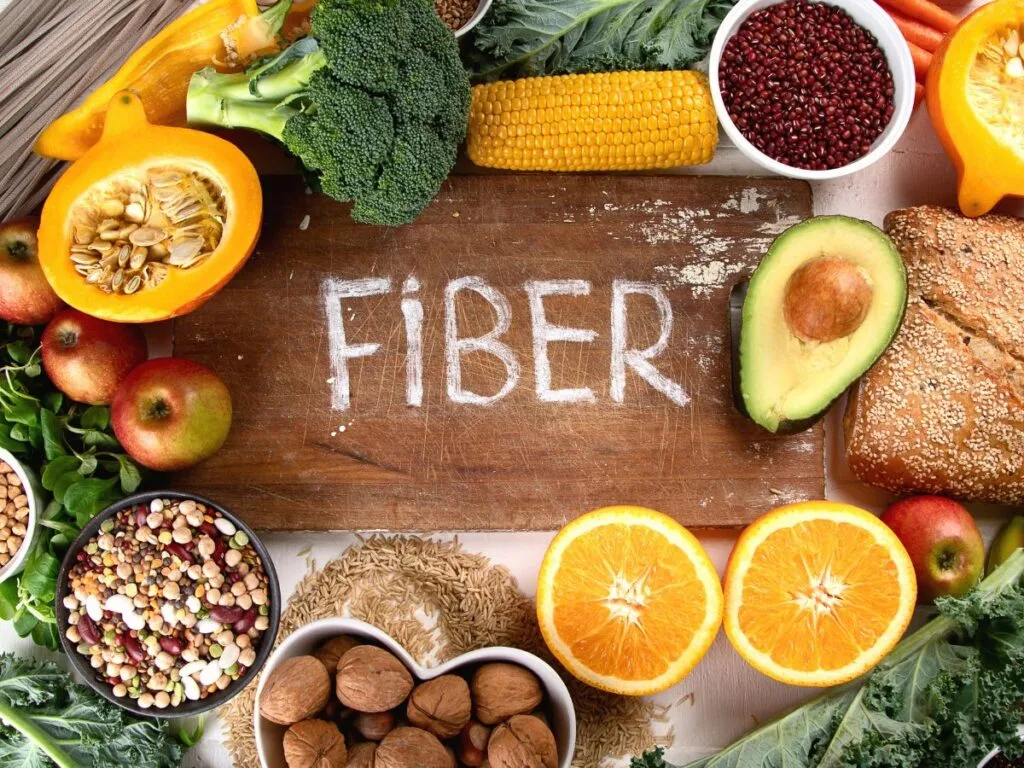
They add legumes, whole grains, seeds, fruit, raw vegetables, and new recipes all at once, then act surprised when digestion collapses. Your gut needs time to build the bacteria that break down fibre efficiently.
More isn’t better here. Faster isn’t smarter.
What works:
Increase fibre gradually. Keep meals simple. Rotate foods instead of stacking them. One new major plant food at a time beats “everything bowls” every day.
You’re not trying to impress anyone. You’re trying to feel normal.
Cook Your Food Like an Actual Human
Raw food enthusiasm ruins more vegan transitions than dairy ever did.
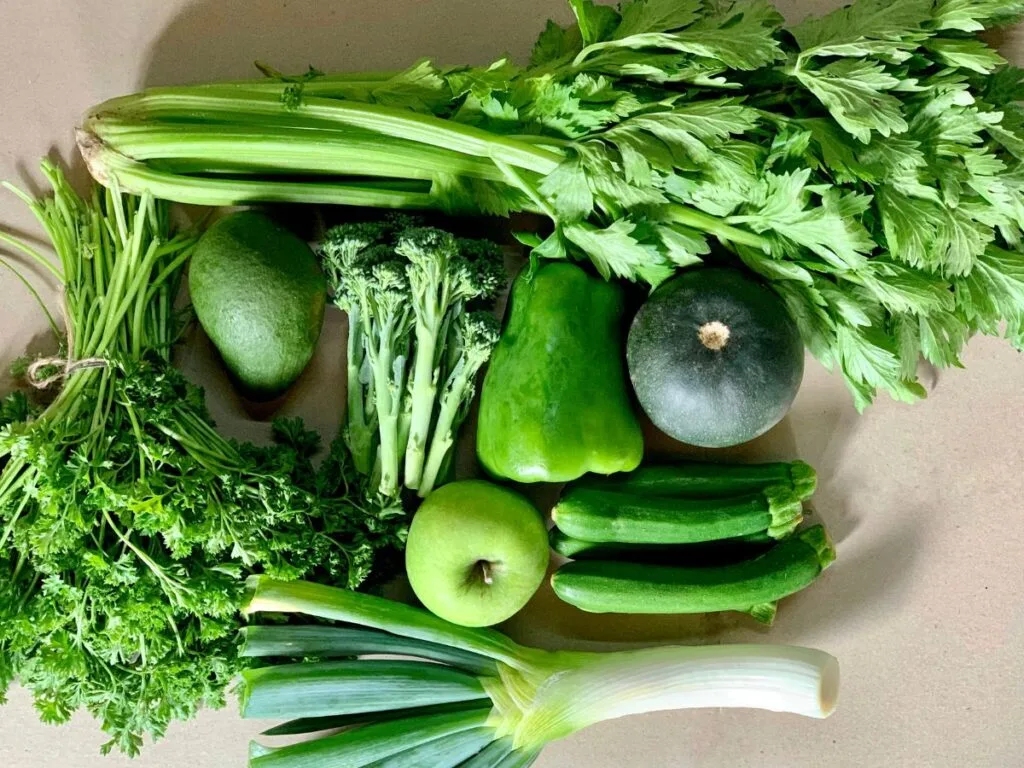
Cooking breaks down fibre and starch, making food easier to digest and nutrients easier to absorb. Beans, lentils, vegetables, and grains are far gentler when they’re properly cooked.
Raw salads, spinach-heavy smoothies, and cold chickpeas straight from the tin are advanced moves. Early on, they just make digestion harder.
Start with soups, stews, curries, roasted vegetables, and well-cooked grains. Comfort food isn’t a failure. It’s strategy.
Ease Into Legumes Instead of Treating Them Like a Test of Character
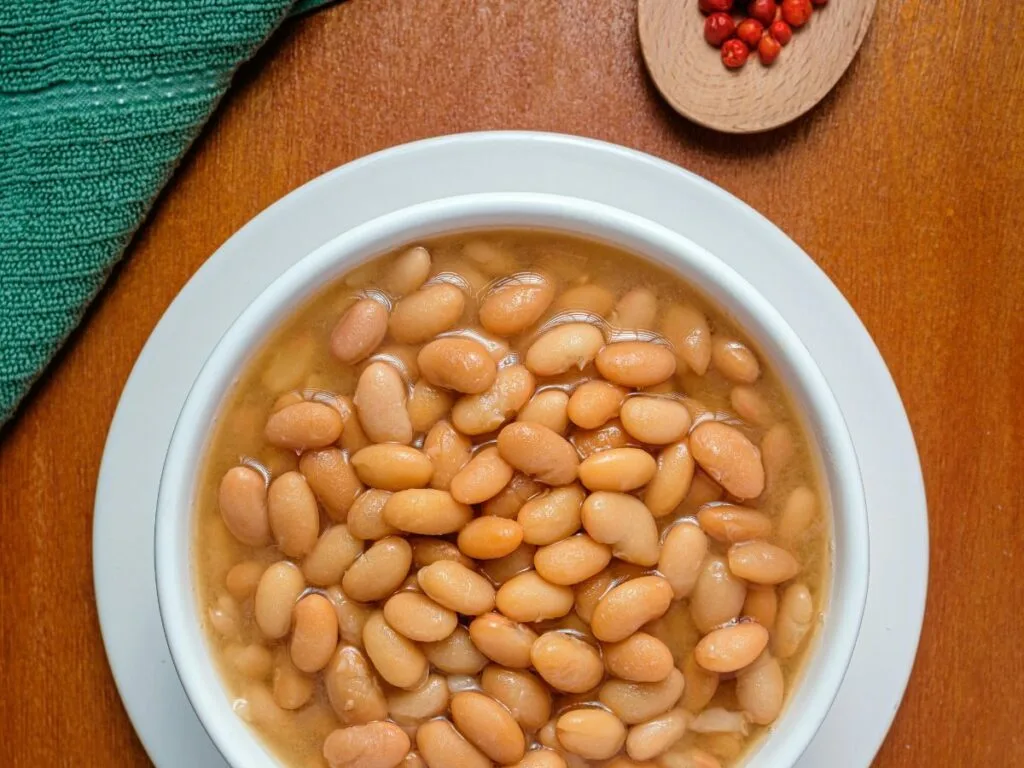
Beans aren’t the enemy. Poor pacing is.
Legumes cause gas because gut bacteria ferment fibre. More fibre means more fermentation. That’s normal. What’s not normal is eating huge portions immediately and expecting zero reaction.
Start here:
Small portions. Lentils and split peas before chickpeas. Tofu and tempeh before whole beans. Canned beans before dry, and rinse them well.
If you’re bloated right now, this doesn’t mean legumes “don’t work for you.” It means your gut hasn’t adapted yet.
Eat Enough Calories While Fibre Increases
Low calories plus high fibre equals feeling awful.
Many people under-eat during a vegan transition because fibre fills them up quickly. They assume feeling “light” means success. Meanwhile energy drops, digestion slows, and everything feels worse.
Your gut needs fuel to adapt.
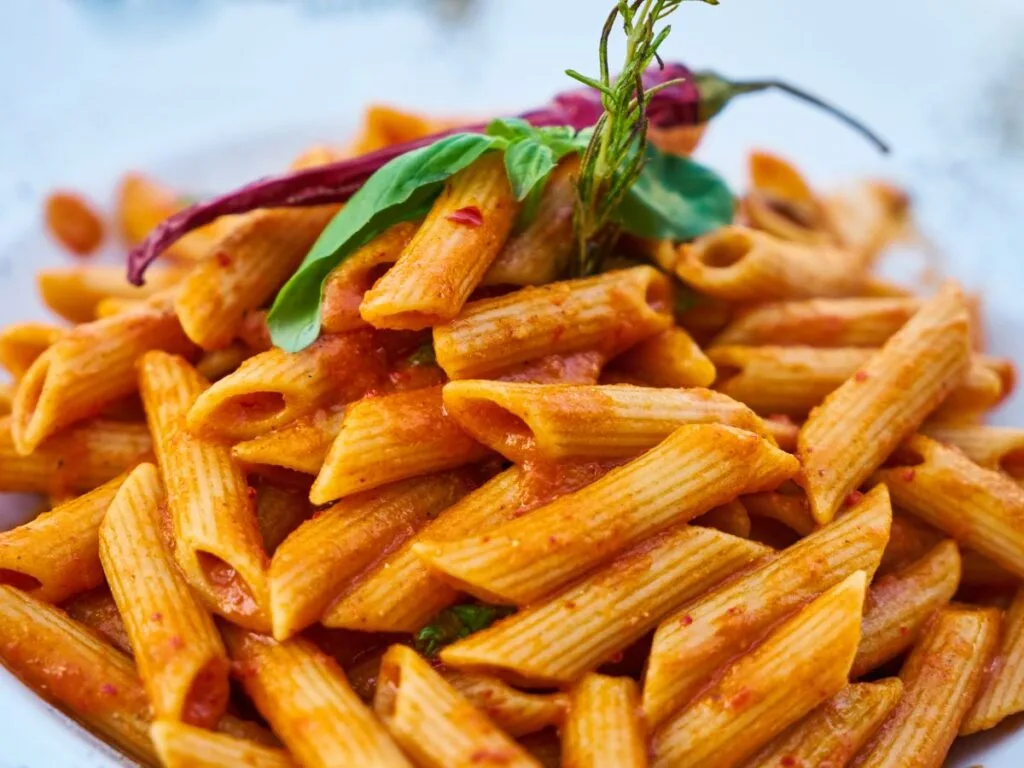
Include starches and fats deliberately. Potatoes, rice, pasta, oats, olive oil, avocado, and nut butters make transitions smoother, not less healthy.
Feeling functional beats feeling virtuous.
Be Careful With Smoothies Early On
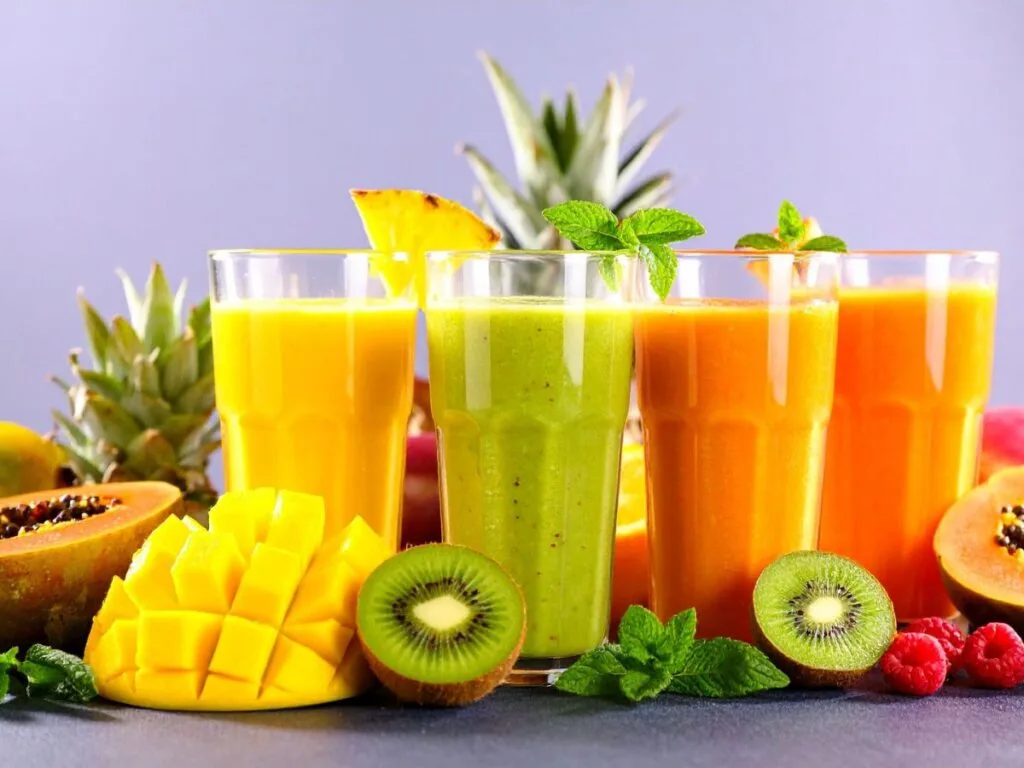
Liquid fibre hits differently.
Smoothies concentrate fibre and sugar into a form that bypasses chewing and floods digestion quickly. During a transition, that often leads to bloating and gas.
This doesn’t mean smoothies are bad forever. It means timing matters.
If you use them early on, keep them small, blend thoroughly, add protein or fat, and don’t rely on them for most of your calories.
Avoid FODMAP Stacking Without Obsessing
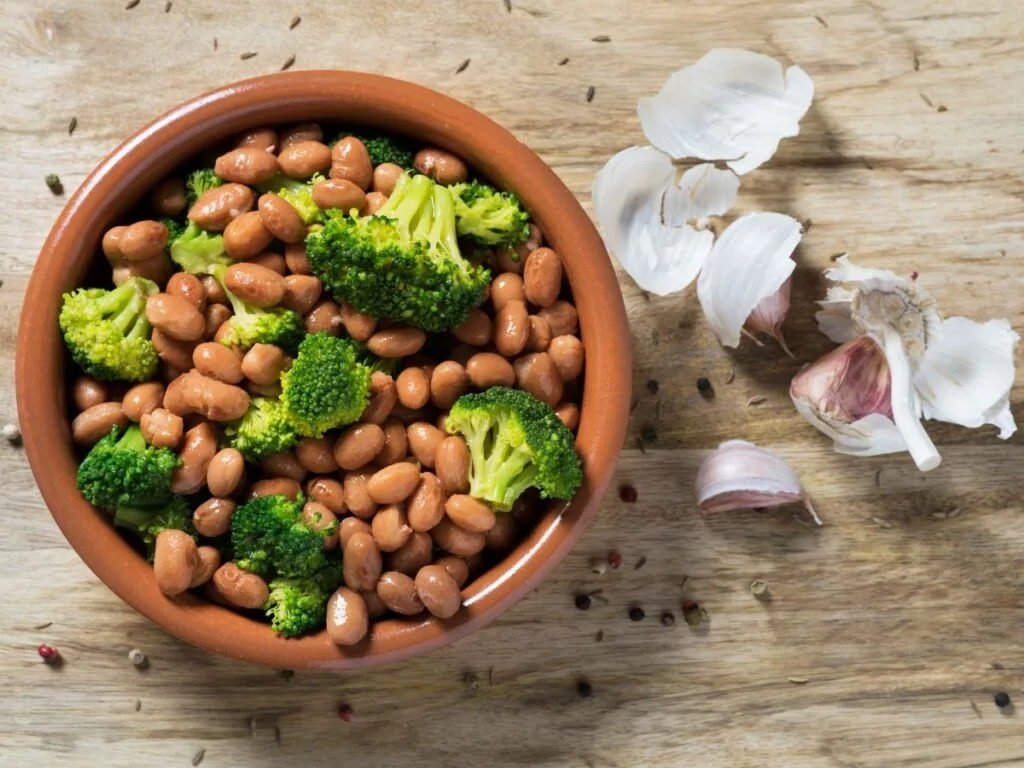
You don’t need to eliminate half your diet. You do need to stop stacking fermentable foods.
Onions, garlic, wheat, legumes, cauliflower, apples, and certain fruits ferment aggressively. One is usually fine. Several together can overwhelm digestion.
If something bloats you, don’t combine it with multiple other fermentable foods in the same meal and then act confused. That’s not restriction. That’s awareness.
Supplements Won’t Fix a Chaotic Transition
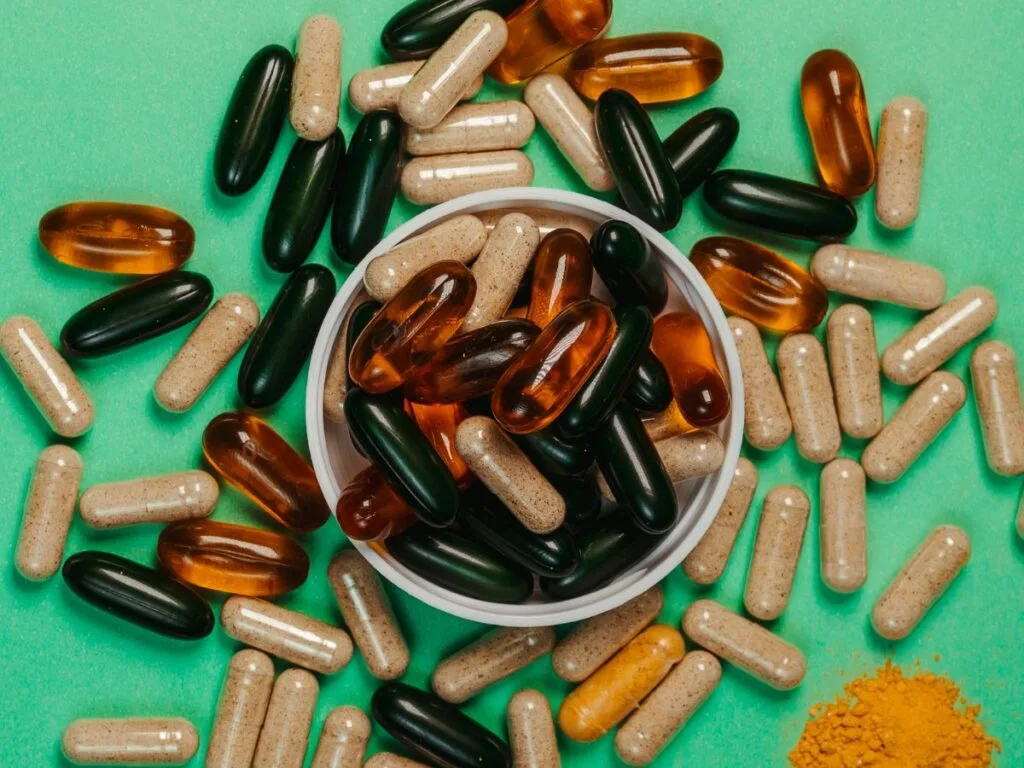
No powder fixes poor structure.
Digestive enzymes, probiotics, and gut supplements won’t override a diet that’s changing too fast. Most transition issues are behavioural, not deficiency-driven.
Slow down. Simplify meals. Cook food properly. Give your gut time.
Supplements can help later. They don’t compensate for chaos.
Expect Some Adjustment — Not Ongoing Suffering
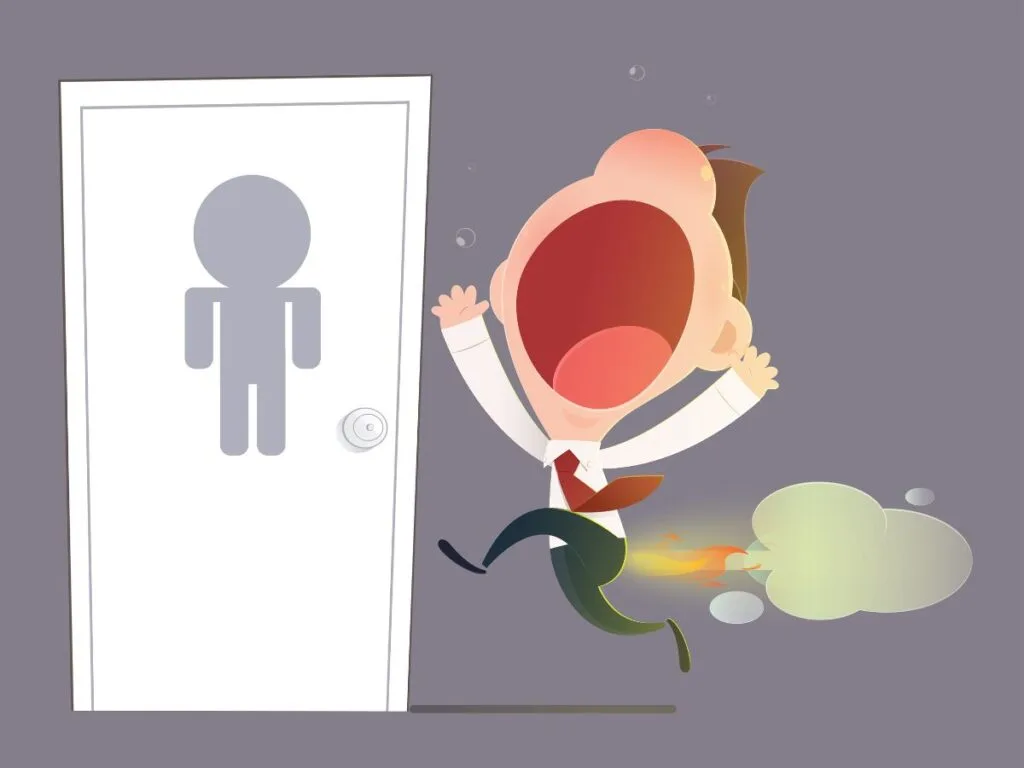
Some gas is normal. Temporary bloating happens. That’s adaptation.
What’s not normal is constant pain, severe cramping, ongoing diarrhoea, or symptoms that worsen over weeks. If that’s happening, slow down and simplify immediately.
Transitioning well is about management, not toughness.
Vegan Junk Food Can Still Cause Digestive Chaos
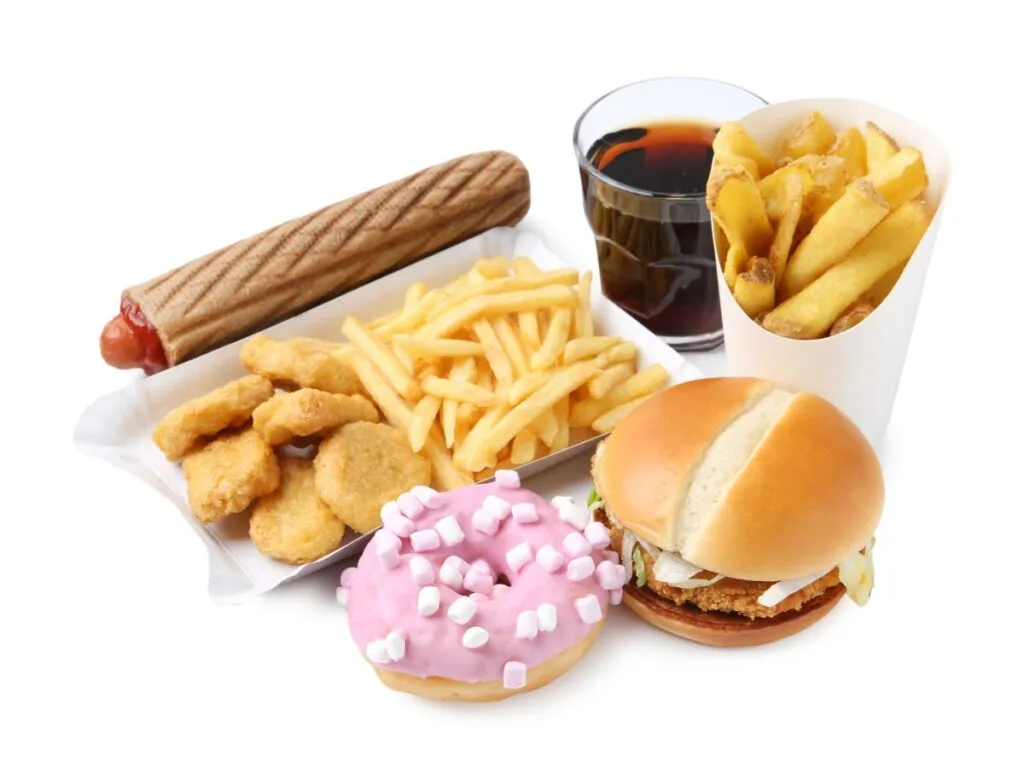
Vegan doesn’t mean gut-friendly.
Many vegan junk foods combine processed fibres, gums, emulsifiers, sugar alcohols, and high fat in one hit. Your gut doesn’t care that it’s plant-based. It cares about the load.
Vegan burgers and cheeses are fine occasionally. When they become daily staples during transition, bloating is likely.
If a food didn’t exist 15 years ago and has a long ingredient list, don’t build your transition around it.
Learn Your Own Gas Triggers

There’s no universal “safe vegan diet.”
Some people tolerate chickpeas well and bloat from lentils. Others are the opposite. What matters is noticing patterns instead of copying someone else’s meal plan.
If bloating is constant, simplify meals and reintroduce foods one at a time. When symptoms repeat, you’ve found something worth adjusting.
This isn’t fear-based eating. It’s paying attention.
Food Combinations Matter More Than Most People Realise
Digestive issues usually come from stacking, not single foods.
Simpler combinations are easier on the gut:
- starch + cooked vegetables
- tofu or tempeh + vegetables
- lentils + rice
- oats + one or two fruits
Riskier combinations early on include:
- legumes + onions + garlic + wheat
- chickpeas + cauliflower + raw salad
- smoothies with fruit, seeds, nut butter, and greens
- vegan junk food paired with beans
These aren’t forbidden. They’re just advanced.
Why Digestive Success Determines Long-Term Veganism
If your transition is miserable, you won’t stick with it.
How a plant based diet helps the planet is well established, but none of that matters if you quit after a month because digestion never settled.
Learning how to transition to a vegan diet without digestive chaos isn’t just about comfort. It’s about sustainability — physically and practically.
The Bottom Line
You don’t need digestive chaos to go vegan.
You need patience, structure, and fewer dramatic changes at once. Transition gradually. Cook food properly. Respect fibre. Eat enough. Don’t stack digestive stressors and blame plants when things go wrong.
When done properly, digestion stabilises, energy improves, and veganism stops feeling like a punishment.
How to transition to a vegan diet without digestive chaos isn’t about hacks or supplements. It’s about giving your gut time to adapt instead of throwing chaos at it and hoping for applause.
Slow works. Impatience doesn’t.
References:
Journal of Nutrition – Dietary Fibre and Gut Adaptation
NIH – Digestive Health and Fibre Intake
Monash University – FODMAP Research
British Journal of Nutrition – Plant-Based Diet Transitions