14 High-Protein Vegan Foods That Give You the Most Protein Per Calorie
If you’ve spent any time researching vegan nutrition, you’ve probably encountered the protein question.
Friends ask it. Family asks it. Sometimes complete strangers ask it while staring at your lunch.
The reality is that most vegans don’t struggle to find protein. The bigger challenge is finding foods that provide plenty of protein without adding excessive calories.
That’s where protein per calorie becomes useful.
Some plant foods deliver surprisingly large amounts of protein for relatively few calories, making them particularly useful if you’re trying to build muscle, lose weight, stay full for longer, or simply increase your daily protein intake.
This guide ranks some of the best vegan protein sources based on how much protein they provide per 100 calories, along with practical tips on how to use them in real life.
Why Protein Per Calorie Matters
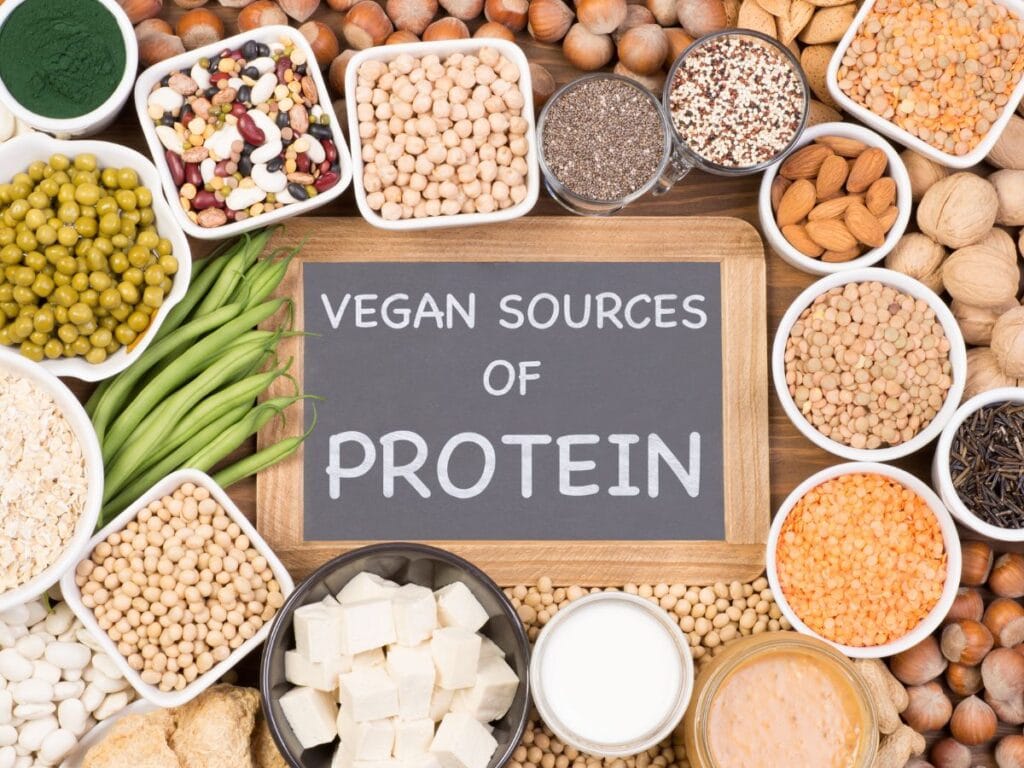
Not all protein sources are equal.
Some foods contain a reasonable amount of protein but also bring a large number of calories from fats or carbohydrates. Others provide far more protein for every calorie you consume.
That doesn’t make higher-calorie foods bad. Nuts, seeds, avocados, and other calorie-dense foods can absolutely be part of a healthy vegan diet.
However, if your goal is maximizing protein intake, protein per calorie is a useful way to compare foods and build meals that work harder for you.
Quick Comparison Table
| Food | Protein Per 100 Calories | Best For |
|---|---|---|
| Spirulina | 20g | Smoothies and protein boosting |
| Seitan | 18.5g | High-protein meals |
| Nutritional Yeast | 12.9g | Adding protein and flavour |
| Tempeh | 11.2g | Whole-food protein |
| Tofu | 10.5g | Everyday cooking |
| Edamame | 9.5g | Snacks and side dishes |
| Lentils | 9g | Budget-friendly meals |
| Chickpeas | 7.3g | Salads and hummus |
| Black Beans | 7g | Burritos and bowls |
| Hemp Seeds | 6.7g | Oatmeal and smoothies |
| Quinoa | 5.8g | Grain replacement |
| Pumpkin Seeds | 5.5g | Snacking and toppings |
| Peas | 5.4g | Quick protein additions |
| Spinach | 5g | Nutrient-rich meals |
2. Seitan (18.5g Protein / 100 Calories)
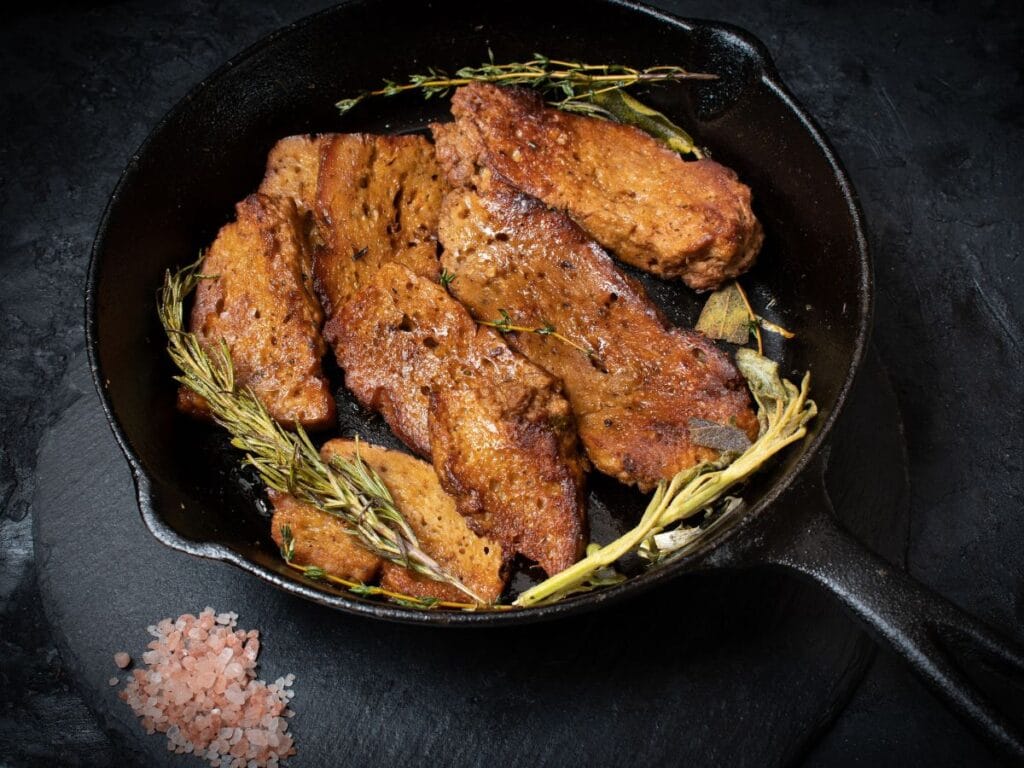
When it comes to pure protein density, very few vegan foods come close to seitan.
Made from vital wheat gluten, seitan delivers roughly 18.5 grams of protein per 100 calories while providing a firm, chewy texture that works well in everything from stir-fries to tacos.
If you’re trying to maximize protein intake without dramatically increasing calories, seitan deserves serious consideration.
If you’re buying it for the first time, don’t be surprised if it isn’t next to the tofu. Many supermarkets stock it elsewhere in the refrigerated plant-based section, which can make it surprisingly difficult to find.
Best for: Muscle building, high-protein meals, and anyone trying to increase protein intake efficiently.
2. Tempeh (11.2g Protein / 100 Calories)
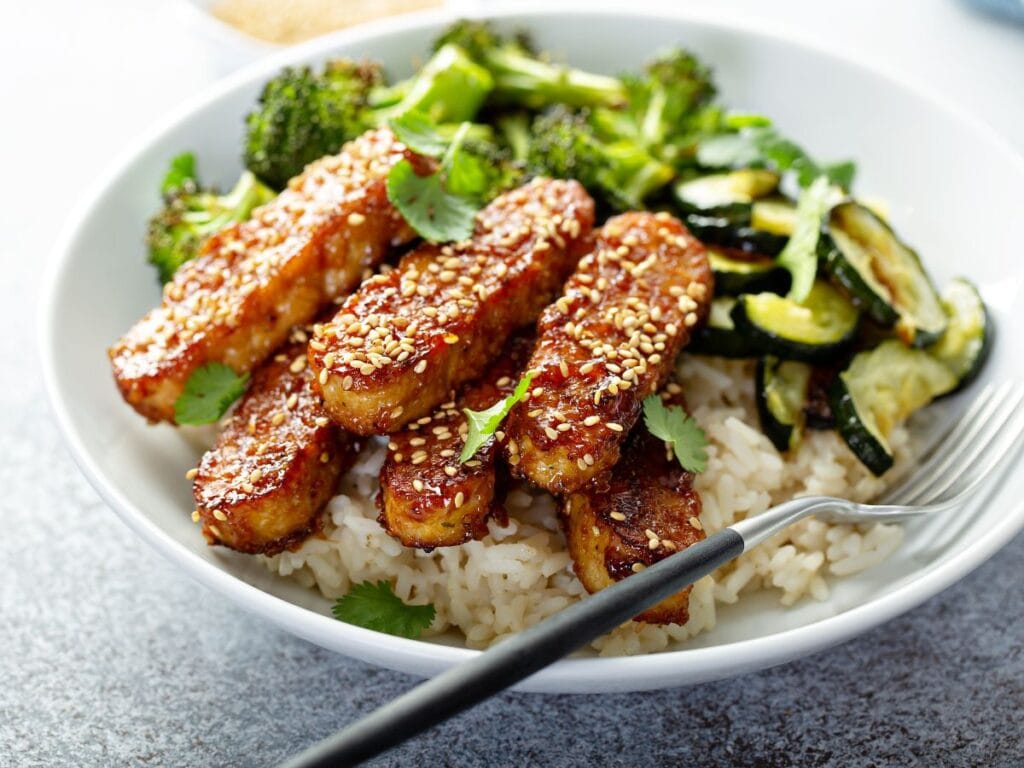
Tempeh is one of the most underrated vegan protein sources available.
Made from fermented whole soybeans, it provides protein, fibre, iron, and a range of other nutrients in one package. Unlike many highly processed meat alternatives, you can actually recognise what it’s made from.
Its nutty flavour works particularly well in sandwiches, grain bowls, salads, and stir-fries.
If you’ve tried tempeh once and hated it, don’t write it off too quickly. Many people find that steaming it for 10 minutes before marinating removes some of the bitterness and dramatically improves the flavour.
Best for: Whole-food plant-based eaters and meal prep.
3. Tofu (10.5g Protein / 100 Calories)
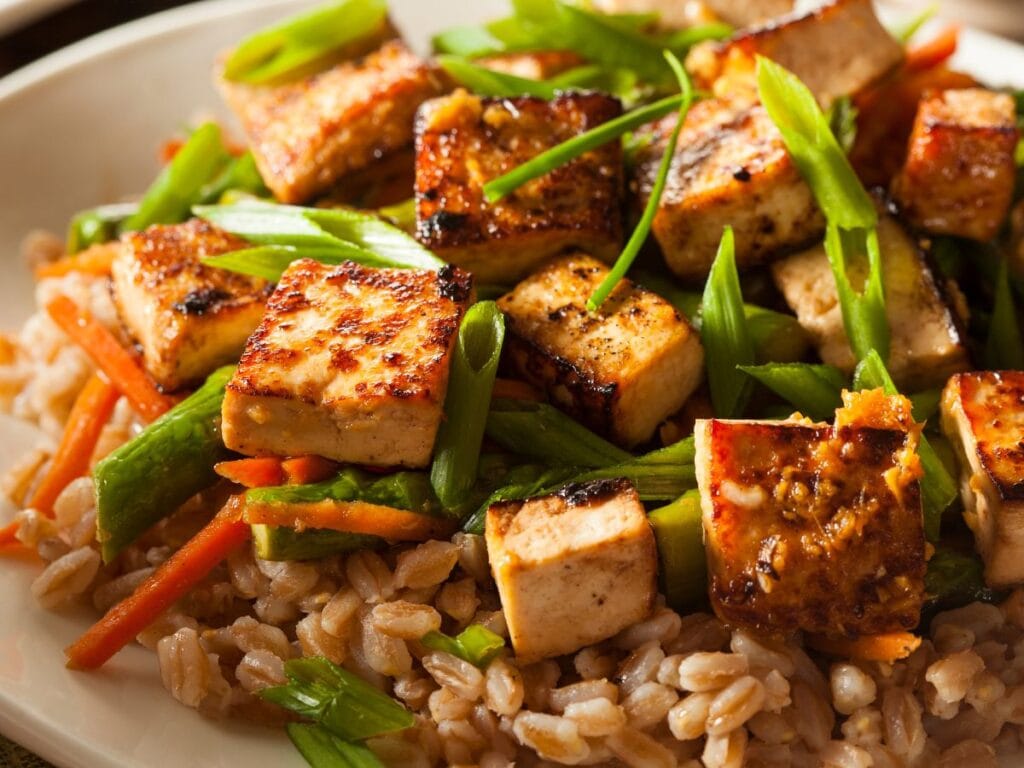
Tofu remains one of the most practical vegan protein sources available.
It’s affordable, versatile, widely available, and relatively inexpensive compared to many plant-based meat alternatives.
If you’re buying tofu for the first time, extra-firm tofu is usually the easiest variety to cook. It contains less water, holds its shape better, and crisps up far more easily.
Many people think they dislike tofu when they’ve simply had badly prepared tofu.
Best for: Beginners, everyday meals, and budget-conscious vegans.
4. Edamame (9.5g Protein / 100 Calories)
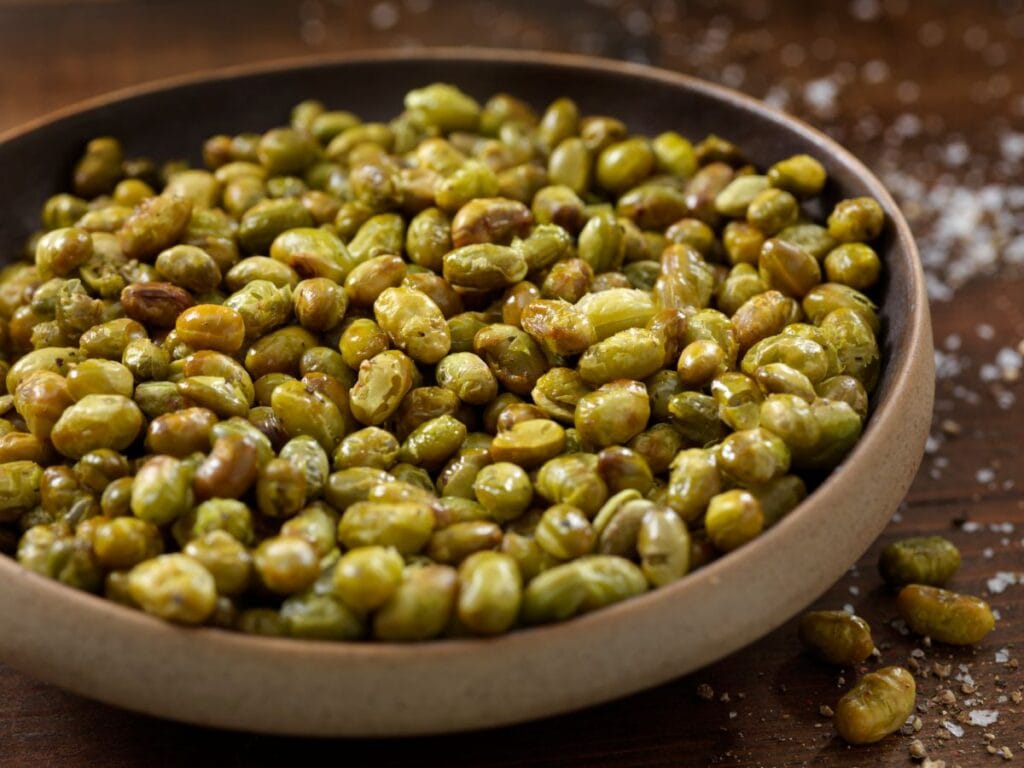
Edamame might be one of the easiest protein wins available.
These young soybeans provide an excellent combination of protein, fibre, and nutrients while requiring almost no preparation.
A few minutes in the microwave or steamer and they’re ready to eat.
Keeping a bag of frozen edamame in the freezer is one of the simplest ways to make sure you always have a high-protein option available. On the days when meal planning falls apart—and eventually it will—you’ll be glad they’re there.
Best for: Quick snacks, side dishes, and convenient protein.
5. Lentils (9g Protein / 100 Calories)
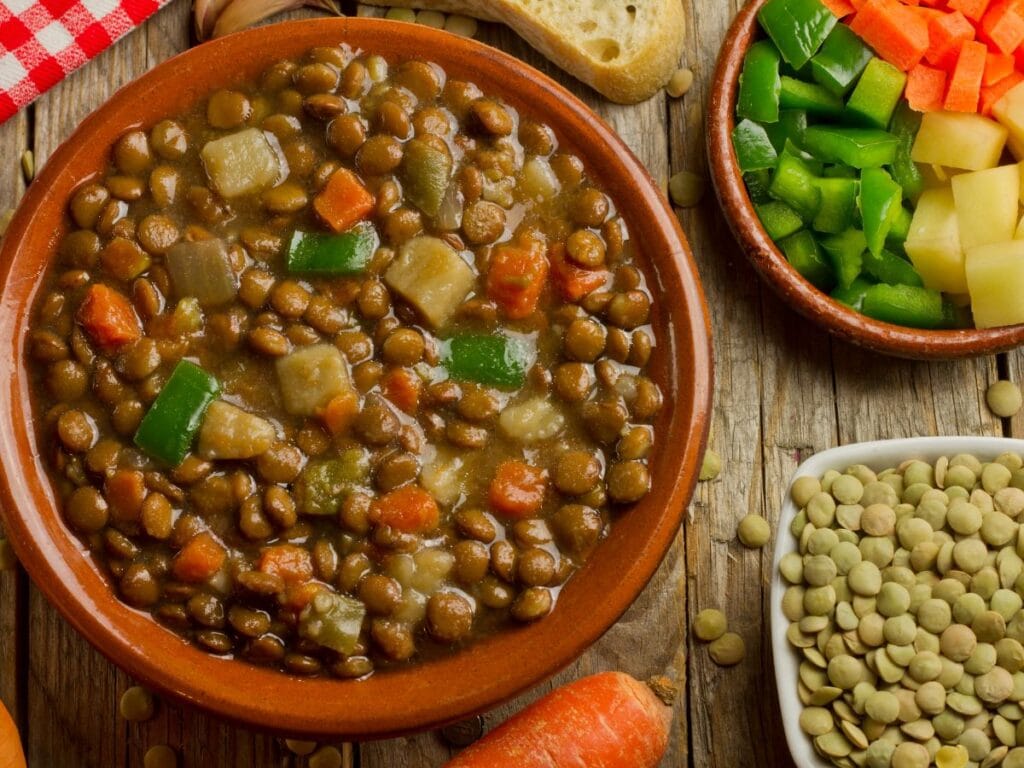
Lentils are one of the best bargains in vegan nutrition.
They’re inexpensive, filling, packed with protein, and loaded with fibre. A cooked cup provides roughly 18 grams of protein while costing a fraction of what many processed protein products cost.
They’re also a good example of how a plant-based diet helps the planet. Lentils generally require far less land and water than animal-based protein sources, making them one of the more environmentally friendly foods you can put on your plate.
If you’re new to cooking lentils, start with red lentils. They cook faster than brown or green varieties and are nearly impossible to mess up.
Best for: Budget-friendly meals, soups, curries, and meal prep.
6. Chickpeas (7.3g Protein / 100 Calories)
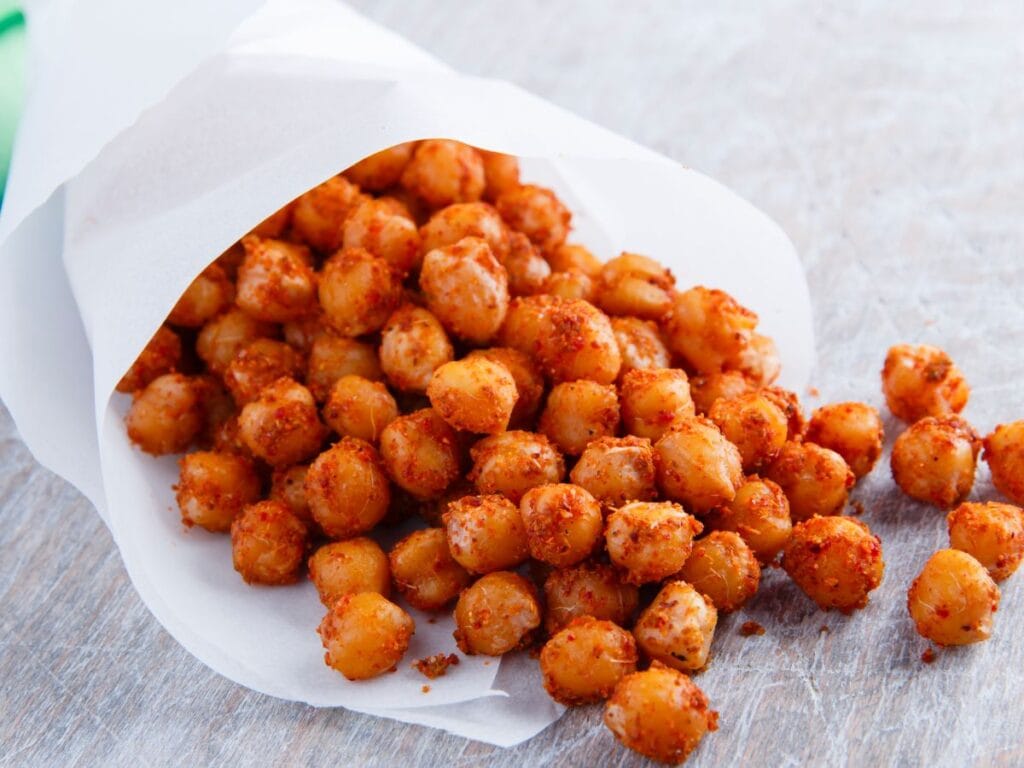
Chickpeas are one of the most useful foods to keep in your kitchen.
They work in salads, curries, wraps, grain bowls, soups, and roasted snacks. They can even be blended into hummus when you need something quick.
Keeping a few cans in the cupboard is basically insurance against lazy dinners. When meal planning fails—and eventually it will—chickpeas can rescue dinner in about three minutes.
That’s a surprisingly useful superpower.
Best for: Convenience, flexibility, and quick meals.
7. Black Beans (7g Protein / 100 Calories)
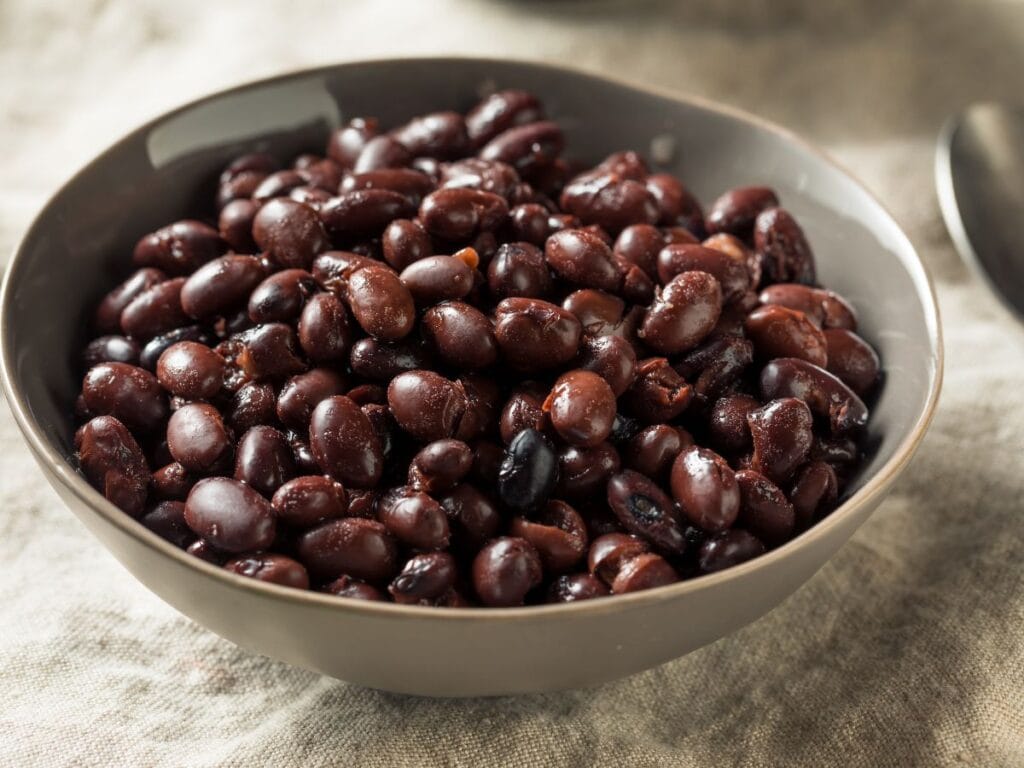
Black beans combine protein, fibre, iron, and complex carbohydrates in one affordable package.
They may not be the most exciting food on this list, but they quietly do a lot of heavy lifting in vegan diets.
They’re filling, inexpensive, and work particularly well in burritos, tacos, chilli, and rice bowls.
If you’re feeding a family or cooking in bulk, dried black beans are often significantly cheaper than canned varieties.
Best for: Hearty, filling meals that keep you satisfied for hours.
8. Quinoa (5.8g Protein / 100 Calories)
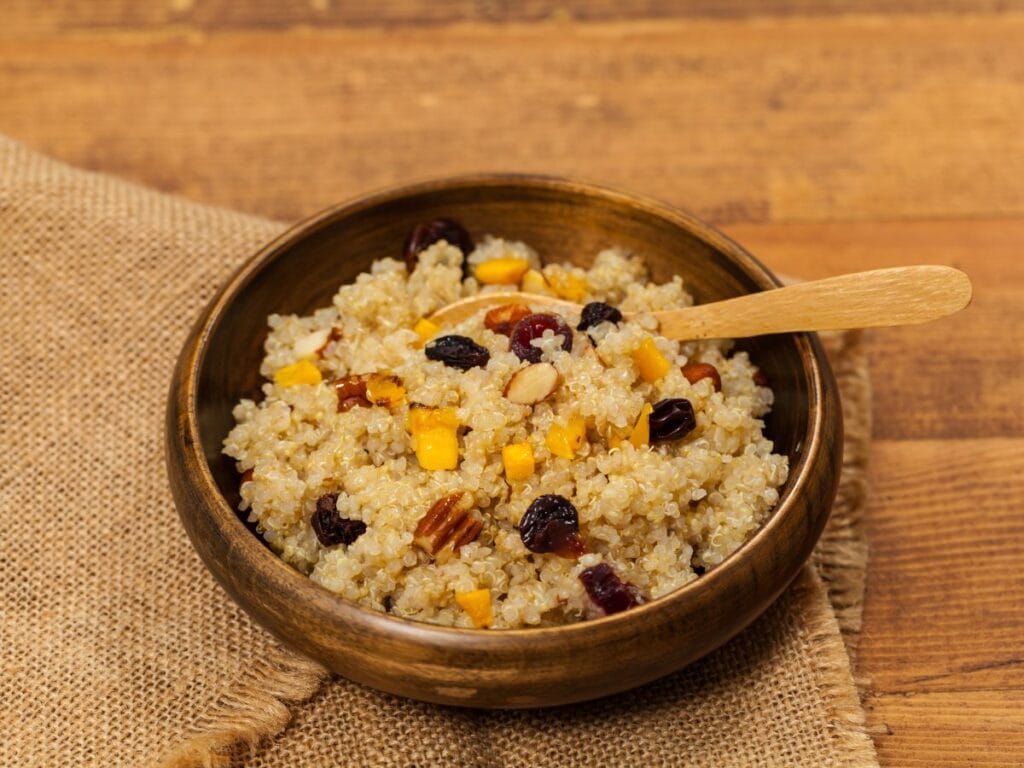
Quinoa has received plenty of attention over the years, and not all of it is deserved.
However, beneath the hype is a genuinely useful food.
It provides more protein than many common grains and contains all nine essential amino acids. While the “complete protein” label often gets overplayed, quinoa is still an easy way to boost the nutritional value of a meal.
Use it wherever you’d normally use rice or couscous.
Best for: Grain bowls, side dishes, and simple meal upgrades.
Vegan Protein Boosters
The foods above can easily form the foundation of a high-protein vegan diet.
The foods below are a little different.
They’re not usually the star of the meal, but they can quietly add extra protein and nutrients throughout the day with very little effort.
Think of them as supporting players rather than the main event.
9. Nutritional Yeast (12.9g Protein Per 100 Calories)
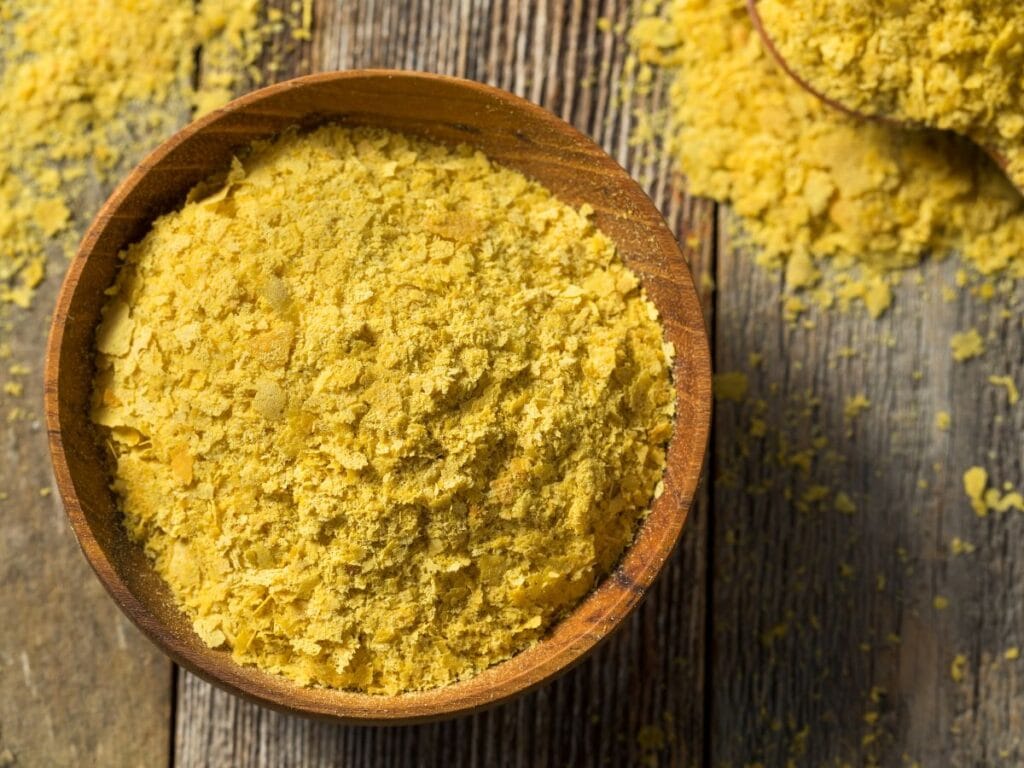
Nutritional yeast has developed something of a cult following among vegans, and for once the hype is mostly justified.
It adds a savoury, slightly cheesy flavour to food while contributing a surprisingly useful amount of protein. Two tablespoons can provide around 8 grams of protein along with B vitamins if you choose a fortified variety.
If you’re buying nutritional yeast for vitamin B12, check the label carefully. Some brands are fortified and some aren’t.
Sprinkle it on popcorn, pasta, potatoes, soups, roasted vegetables, or pretty much anything that needs a little extra flavour.
Many vegans start by using nutritional yeast occasionally. A few months later they’re buying it in bulk.
Best for: Adding flavour, protein, and B vitamins to everyday meals.
10. Spirulina (20g Protein Per 100 Calories)
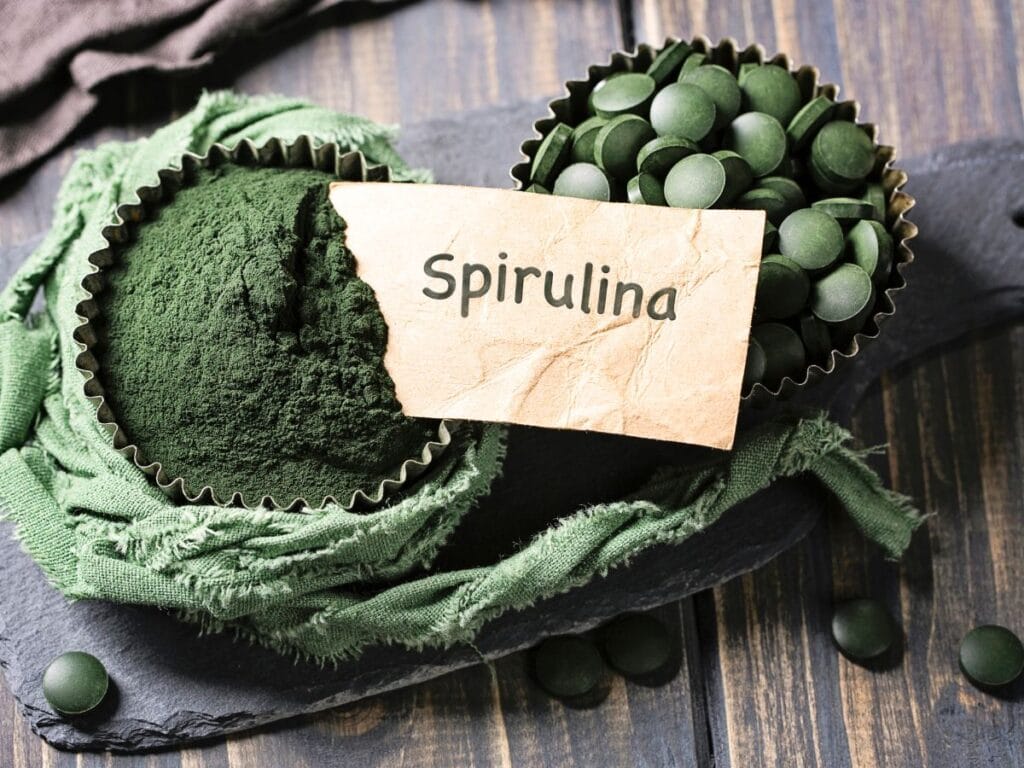
On paper, spirulina is the undisputed winner of this list.
Gram for gram and calorie for calorie, it contains an enormous amount of protein.
In reality, however, most people only use a teaspoon or two at a time. That’s why spirulina works better as a nutritional booster than a primary protein source.
Adding a small amount to smoothies can increase protein intake while also providing various vitamins, minerals, and antioxidants.
Just don’t make the mistake of thinking a spoonful of spirulina replaces an actual meal.
Best for: Smoothies and boosting nutrient intake.
11. Hemp Seeds (6.7g Protein Per 100 Calories)
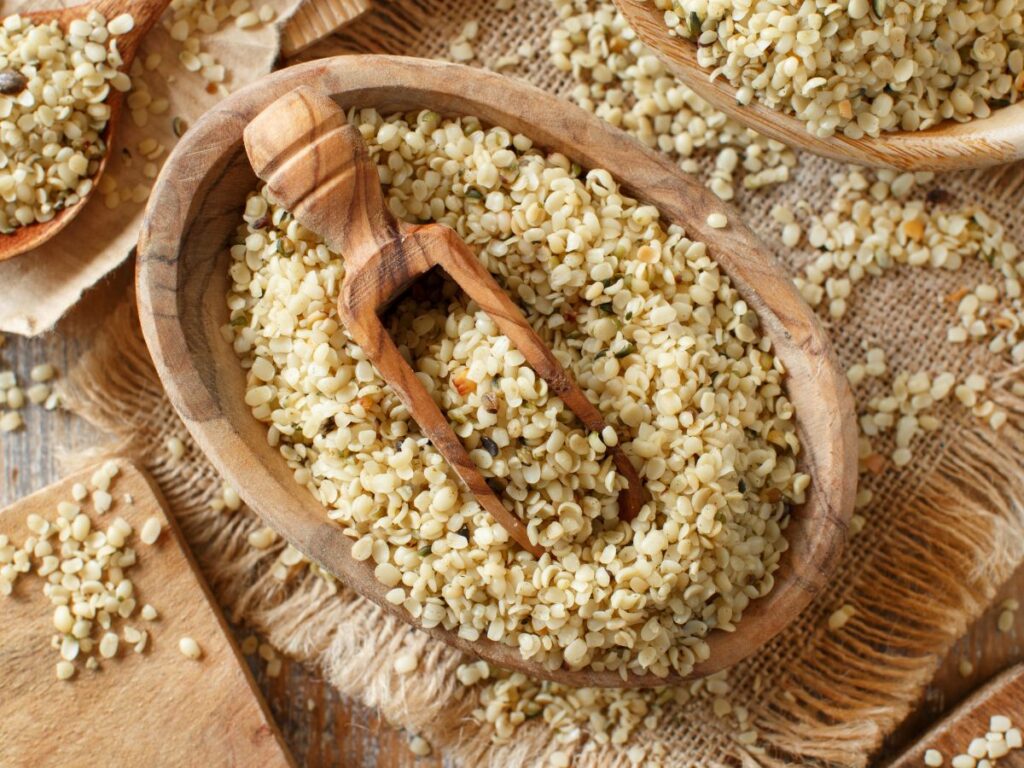
If convenience were a nutrient, hemp seeds would be near the top of the list.
No cooking. No preparation. No recipe required.
Simply sprinkle them over oatmeal, cereal, smoothie bowls, salads, yogurt alternatives, or almost anything else you’re already eating.
They’re also rich in healthy fats, magnesium, and other nutrients, making them one of the easiest nutritional upgrades available.
Keep a bag in the fridge and you’ll find yourself reaching for them far more often than expected.
Best for: Oatmeal, smoothies, salads, and effortless protein boosts.
12. Pumpkin Seeds (5.5g Protein / 100 Calories)
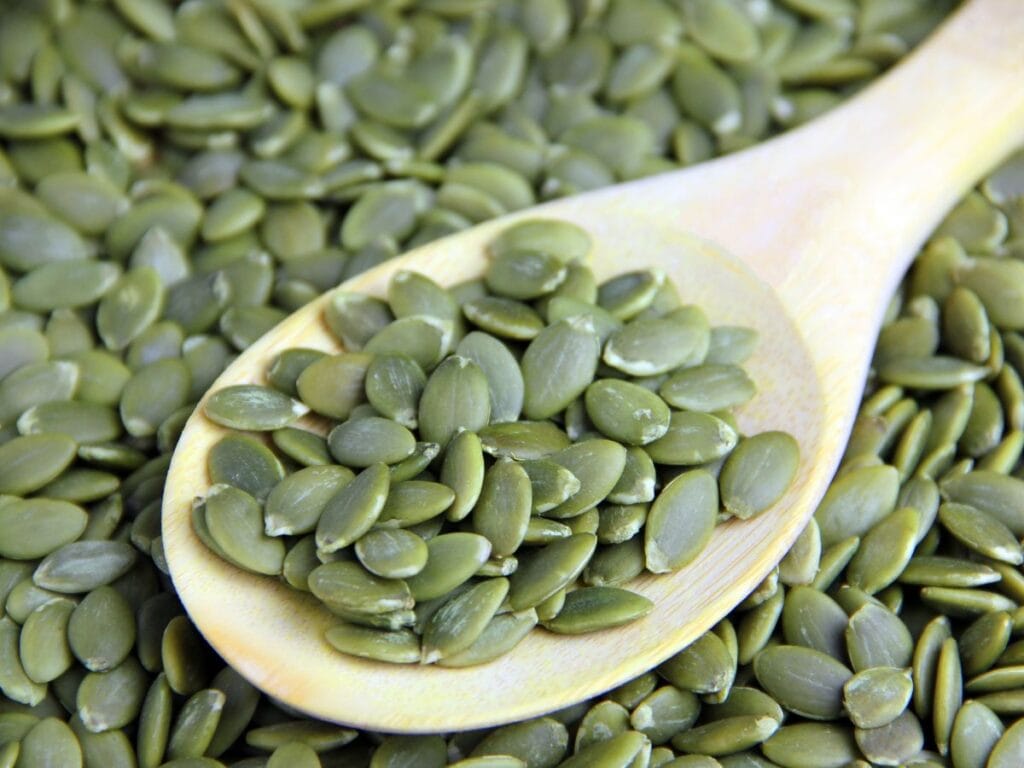
Pumpkin seeds don’t get as much attention as they deserve.
They’re packed with protein, magnesium, zinc, iron, and healthy fats, making them one of the most nutrient-dense snacks you can keep around.
While they’re more calorie-dense than foods like tofu or lentils, they still contribute meaningful amounts of protein while bringing several other nutritional benefits to the table.
If you buy them regularly, raw pumpkin seeds are often the most versatile option. You can snack on them directly or add them to salads, oatmeal, homemade granola, and baking.
Best for: Snacking, meal toppings, and extra crunch..
13. Peas (5.4g Protein / 100 Calories)
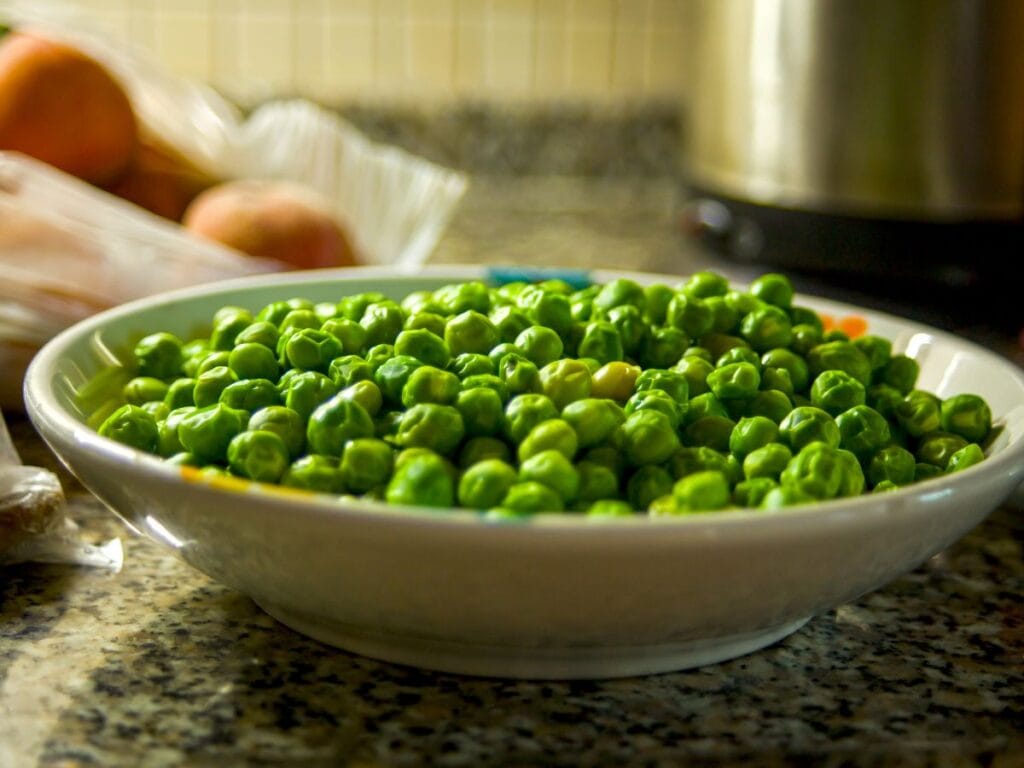
Peas rarely get invited into conversations about vegan protein.
That’s a shame because they’re surprisingly useful.
A cooked cup provides roughly 8 grams of protein, along with fibre and a range of vitamins and minerals.
Frozen peas are also one of the most practical foods in the supermarket. They’re inexpensive, last for months, and can be added directly to soups, curries, pasta dishes, stir-fries, and rice dishes without any preparation.
When your fridge looks empty and inspiration is nowhere to be found, frozen peas can quietly save dinner.
Best for: Quick weeknight meals and easy nutrition.
14. Spinach (5g Protein / 100 Calories)
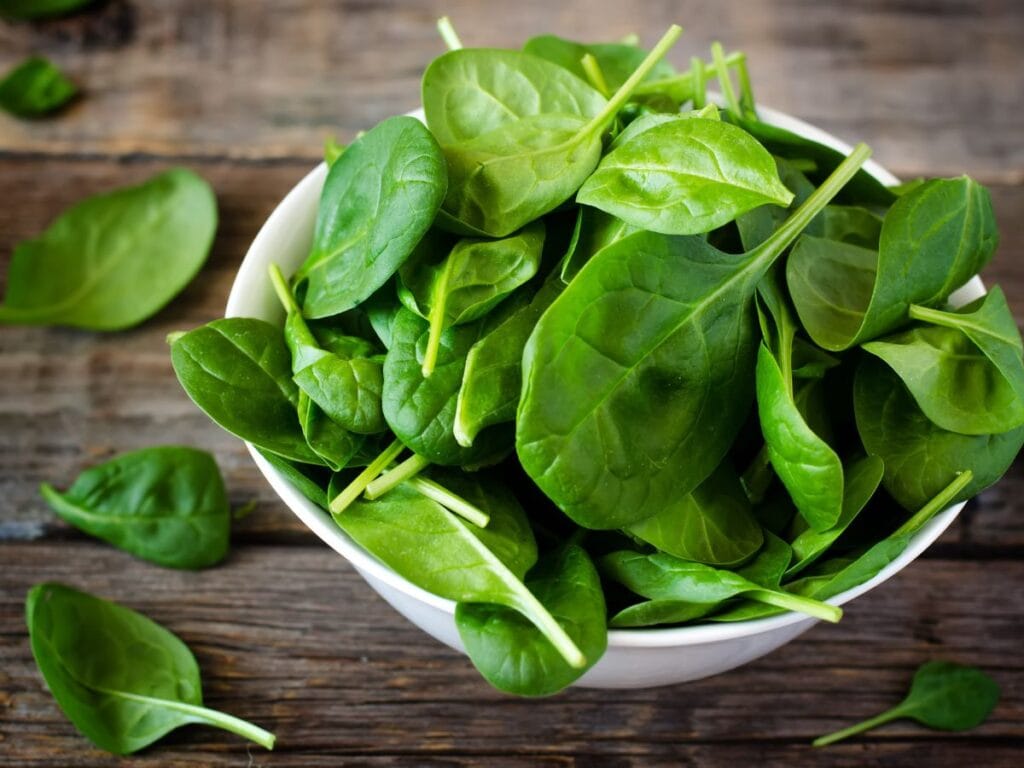
Nobody is building a vegan diet around spinach for protein alone.
That’s not really the point.
Spinach earns its place because it provides a respectable amount of protein for very few calories while also supplying iron, folate, vitamin K, and other important nutrients.
It’s also one of the easiest vegetables to add to meals. A large handful can disappear into smoothies, curries, soups, pasta sauces, and stir-fries without dramatically changing the flavour.
If you’re looking for simple ways to improve the nutritional quality of your meals, spinach is one of the easiest places to start.
Best for: Increasing nutrient intake with minimal effort.
How to Get More Protein Without Eating More Calories
Most people make protein harder than it needs to be.
The simplest strategy is to build meals around protein-rich foods first.
Instead of making tofu, lentils, beans, or tempeh an afterthought, make them the centre of the meal and build everything else around them.
Small additions help too. Hemp seeds, nutritional yeast, peas, and edamame can quietly add several grams of protein throughout the day without requiring major dietary changes.
You don’t need a complicated meal plan.
You don’t need to eat six protein shakes a day.
You just need to regularly eat foods that are naturally rich in protein..
Frequently Asked Questions
Which vegan food has the most protein per calorie?
Spirulina technically provides the most protein per calorie. However, because it’s typically consumed in small amounts, seitan is often the most practical high-protein vegan food for everyday meals.
Can you get enough protein on a vegan diet without protein powder?
Yes. Many vegans meet their protein needs through tofu, tempeh, seitan, lentils, beans, edamame, and other legumes without relying on supplements.
What are the best vegan protein sources for weight loss?
Seitan, tofu, tempeh, edamame, and lentils provide high amounts of protein relative to their calorie content, making them particularly useful when trying to manage calorie intake.
Is tofu or tempeh higher in protein?
Tempeh generally contains more protein per serving than tofu. However, both are excellent choices and can easily fit into a healthy vegan diet.
Final Thoughts
Getting enough protein on a vegan diet is rarely as difficult as critics make it sound.
The real challenge is choosing foods that deliver meaningful amounts of protein while fitting your calorie goals, budget, cooking ability, and lifestyle.
For most people, the best places to start are tofu, tempeh, seitan, lentils, beans, and edamame. They’re affordable, widely available, and capable of forming the foundation of a high-protein vegan diet.
If some of these foods are new to you, don’t try to overhaul your entire diet overnight.
Pick one or two. Learn how to cook them well. Add them to your regular rotation.
A few simple changes can dramatically increase your protein intake without making your meals more complicated.
And the next time someone asks where you get your protein, you can simply point them to your shopping trolley.